

We often see or hear news reports that some seemingly healthy adults suddenly die in their sleep for unknown reasons, which is shocking and puzzling.
and"sleep apnea" is one of the potential factors leading to sudden death in sleep.
This disease is often mistaken for just "snoring while sleeping", but it can silently cause respiratory arrest,Blood oxygen drops suddenly, ultimately endangering life.
This article will introduce you to the types of sudden death, explain the fatal mechanism of apnea, and how to effectively reduce the risk through orthognathic surgery and lifestyle adjustments. If you or your family members have long-term sleep disorders or extreme daytime fatigue, please pay attention to the information in this article.
Taipei Fenghua Joint Clinic analyzes the crisis behind it and provides professional advice to help you stay away from risks in your sleep.
Comparison of the two major types of sudden death
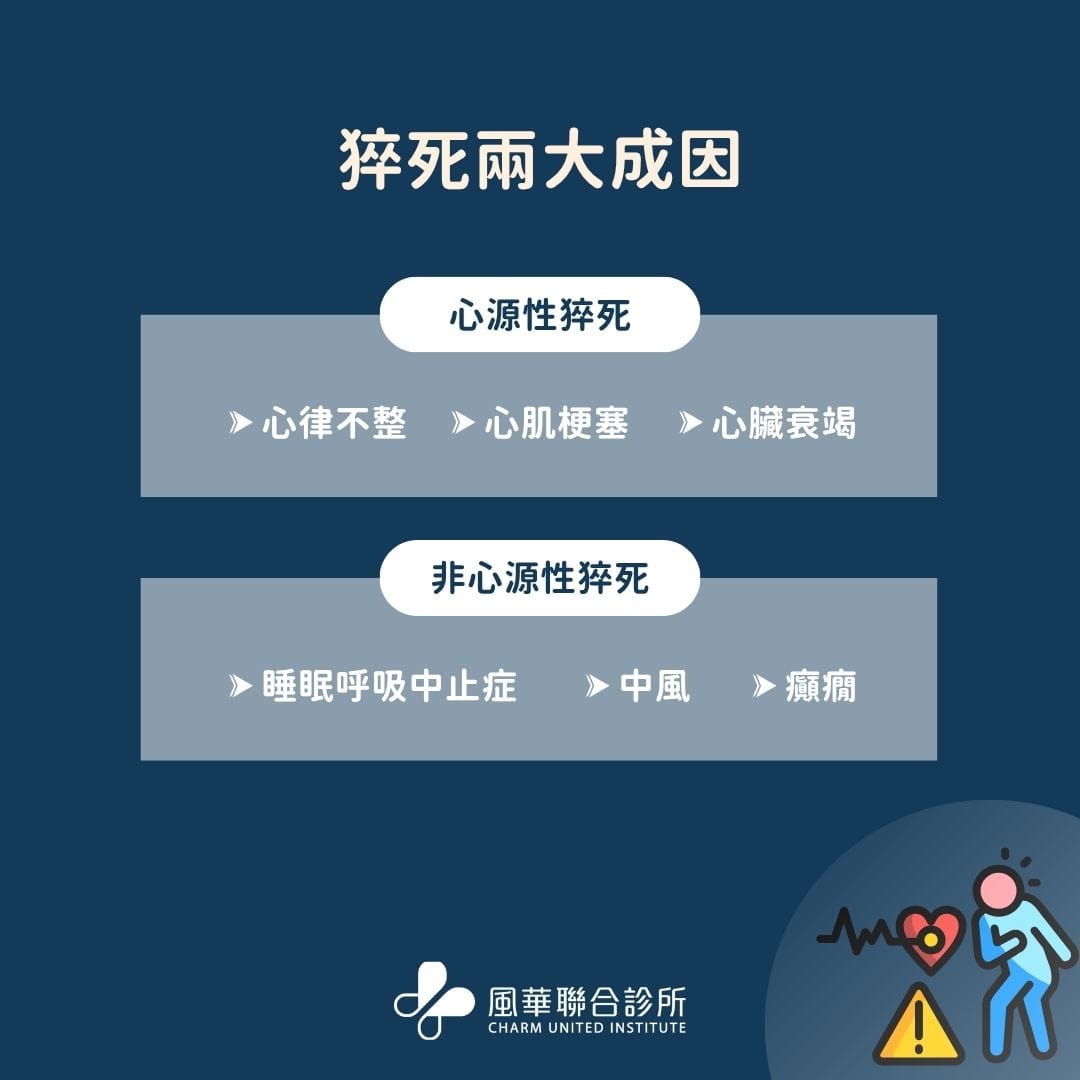
When it comes to "sudden death", most people think ofHeart attackHowever, sudden death is actually divided intoSudden cardiac death and non-cardiac sudden deathUnderstanding these two types will help us clarify the pathogenic mechanism behind them and then master the prevention measures.
-
Sudden Cardiac Death: refers to sudden death caused by arrhythmia, myocardial infarction, heart failure and other problems, which lead to the inability of the heart to effectively pump blood. This is the most common cause of sudden death, accounting for about 80% of all sudden death cases.
- Non-cardiac sudden death:Including stroke, respiratory failure,epilepsy, or even sleep apnea. This type of sudden death is often overlooked, especially sleep-related breathing disorders, which are more likely to kill people silently.
Clearly distinguish the source of sudden death, is the first step in developing a prevention strategy, and sleep apnea is a high-risk factor in non-cardiac sudden death that cannot be ignored.
Apnea is the "silent trigger" of sudden death
Many people find it hard to imagine that simple snoring can lead to a fatal crisis.
However,The link between apnea and sudden death has been confirmed in many studiesThis disease often occurs during sleep at night. Repeated interruptions in breathing cause hypoxia in the body, which puts the heart and brain in a state of high pressure for a long time, thereby increasing the risk of sudden death.
What is sleep apnea?
Sleep apnea is a common sleep disorder among modern people., mainly divided into the following two types:
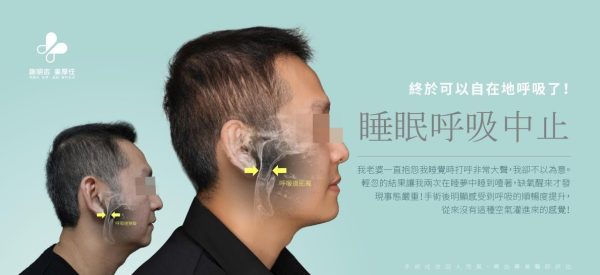
- blocking type: The most common, caused by relaxation of the muscles at the back of the throat, which causes the airway to collapse and leads to breathing interruption.
- central type: The brain does not send the correct signals to control breathing. This is less common and is usually related to neurological disease or heart failure.
Regardless of the type,Repeated breathing stops can causeDecreased blood oxygenActivation of the sympathetic nerves poses a serious threat to overall health.
How does sleep apnea affect heart and lung function?
Patients with sleep apnea experience dozens to hundreds of breathing interruptions during sleep, each accompanied byTransient hypoxia and blood pressure fluctuationsThis repeated lack of oxygen can lead to:
- Increased risk of heart rhythm disorders: Studies have shown that the risk of atrial fibrillation in patients with severe respiratory arrest increases by 2 to 4 times.
-
Hypertension and heart failure: Long-term excitement of the sympathetic nerves leads to high blood pressure and increases the burden on the heart.
Chronic hypoxia damages the brain and other organs: Causes symptoms such as inattention, memory loss, daytime sleepiness, etc.
According to the Journal of the American Heart Association, patients with severe, untreated sleep apnea haveThe sudden death rate is 2 to 3 times higher than normal people.therefore,Apnea is not just snoring, but a chronic disease that threatens life.
"No sound" at night is not necessarily a good thing: respiratory arrest may be quietly threatening your life
Many family members mentioned when describing the patient's condition before his death: "He slept very quietly and without any sound."
But in fact,"Silence" may not be sleep, but respiratory arrest is happening.
The danger of apnea isIt often goes unnoticed.
What are the common symptoms of respiratory arrest?
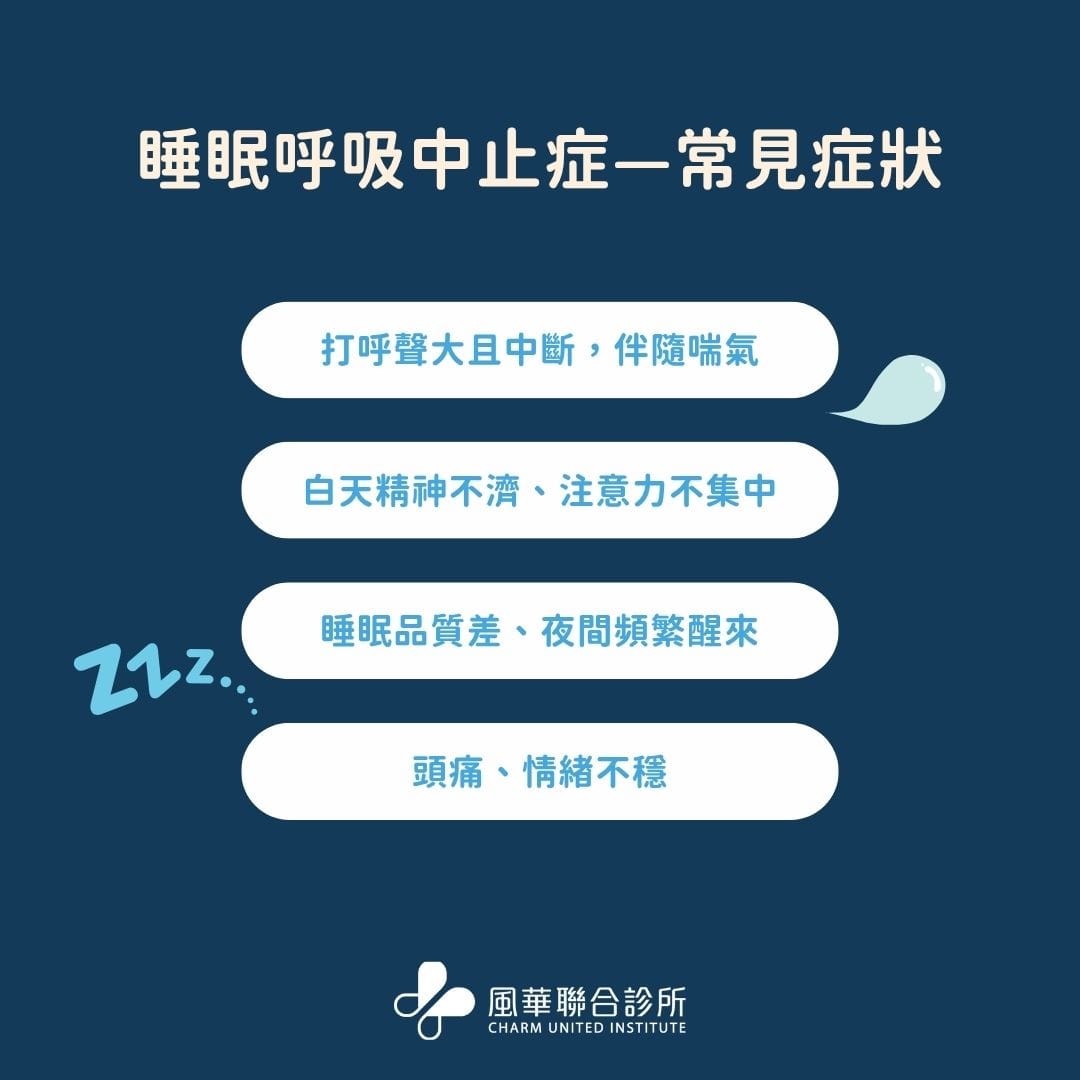
The following are common but easily ignored symptoms:
- Snoring is loud and intermittent, accompanied by gasping or choking sounds
- Lack of energy during the day, poor concentration, sleepiness
- Dry mouth and sore throat when waking up
- Poor sleep quality and frequent awakenings at night
- Headache, mood swings
If you or your partner observes the above symptoms, it is important to seek medical attention as soon as possible..
Risk factors for sudden death in sleep
If the following physiological changes occur during sleep, the risk of sudden death will be greatly increased:
- Nocturnal hypoxia(SpO₂ is continuously lower than 90%)
- Irregular heartbeat:Such as atrial fibrillation, premature ventricular contraction
- Autonomic imbalance: Abnormal sympathetic nerve activity during sleep
These changesOften closely related to respiratory arrestIf not treated early, it may become a fatal factor during sleep.
Why are most patients not aware of it?
Apnea has the following characteristics that make it easy to be ignored:
- The patient is unaware of the attack during sleep.
- Snoring is considered "normal" and not taken seriously
- Daytime fatigue is often mistaken for work stress orLack of sleep
- Many symptoms are chronic and not easily linked to respiratory problems
This is one of the reasons why respiratory arrest is called the "silent killer.", reminding the public not to take it lightly.
How does orthognathic surgery improve sleep apnea?
When conservative treatments (eg, CPAP, weight loss, side sleeping) are ineffective,Orthognathic surgery is an effective option for treating moderate to severe obstructive sleep apnea.
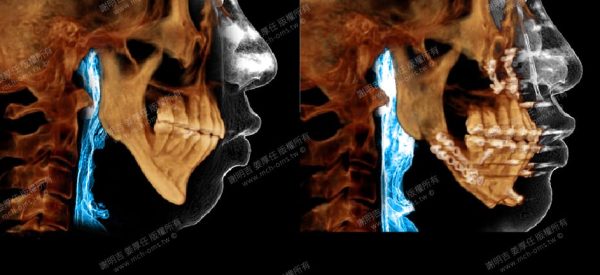
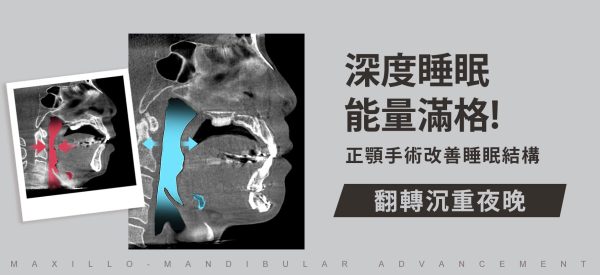
This surgery adjusts the position of the upper and lower jaws and improves the airway structure, achieving a fundamental effect of unobstructed breathing.
- Expand upper airway space: Move the upper and lower jaws forward to expand the airway, soft palate, and space behind the tongue root
- Reduce airway resistance:Through surgery, airway resistance can be reduced, making breathing smoother and thereby improving the body's oxygen supply.
- Improve quality of life and health index: Improved sleep quality after surgery, better spirits during the day, and can improve comorbidities such as hypertension and diabetes
According to many studies, after orthognathic surgery,About 801 patients with TP3T or aboveApnea Hi Index (AHI)Significant declineThis treatment is particularly suitable for severe cases caused by abnormal bone structure.Whether surgery is actually suitable still needs to be determined by a professional doctor after evaluating the jaw structure and sleep examination results..
Want to prevent sudden death? Start with breathing quality
Rather than worrying about sudden tragedies, it is better to take proactive measures in your daily life.Improving breathing quality is the key starting point to reduce the risk of sudden deathThe following are the specific directions recommended by the physician:
- Establish a regular work and rest schedule, avoid staying up late and overwork
- Maintain a healthy weight and reduce airway pressure
- Quit smoking and avoid excessive alcohol intake
- Sleeping sideways can reduce airway collapse -> in the future, troublesome airways will be directly changed to "respiratory tracts"
-
Get regular sleep checks and professional assessments
If you have been diagnosed with apnea, it is important to discuss with your doctor the most appropriate treatment.Continuous positive airway pressure (CPAP), oral appliances (anti-snoring braces), orthognathic surgeryEach method has its own indications and limitations.
Don’t ignore the warning signs of snoring and daytime sleepiness, because behind these phenomena may be lurking a chronic but deadly crisis.
If you or your family members have related symptoms, it is recommended that you make an appointment at Fenghua Joint Clinic immediately. The professional team will help you regain healthy sleep and a safe life.
Read more:
- Snoring at night and feeling sleepy during the day? Experts help you uncover the mystery of respiratory arrest
- What should I do if my orthognathic surgery fails? dcard netizens share how to avoid orthognathic surgery failure and regret
- What is obstructive sleep apnea? A complete guide to the dangers, diagnosis and treatment of obstructive sleep apnea