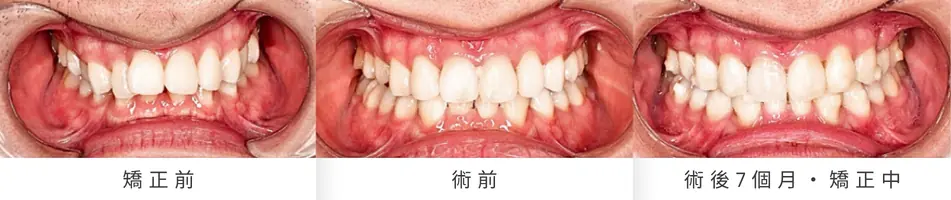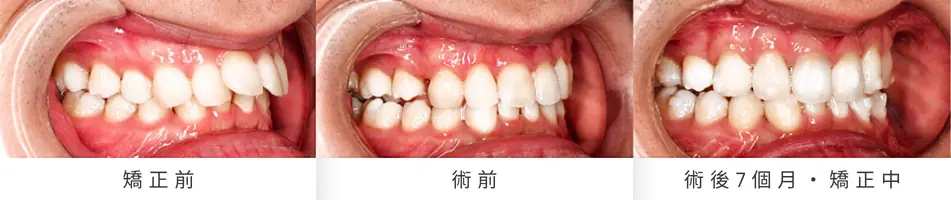



| Preoperative symptoms | surgical plan |
| Mild sleep apnea (AHI=7.9), persistent and frequent heavy snoring, accompanied by severe daytime sleepiness. | I underwent MMA jawbone advancement surgery, and started invisible braces again 3 months later to fine-tune my bite. |
Diagnosis and treatment plan and postoperative changes
The patient is a 26-year-old male with a slender build.
・PSG sleep dataAHI = 7.9 events/hr (clinically defined as mild sleep apnea)
・Chief complaint and clinical manifestationsLong-term and frequent heavy snoring, accompanied by severe excessive daytime sleepiness (EDS), significantly affects the quality of life and work.
This case reflects an important clinical concept in sleep medicine:AHI values are not necessarily linearly positively correlated with clinical symptoms or the degree of airway anatomical narrowing.In particular, young, non-obese patients with skeletal problems often experience severe sleep structure disruption due to compensatory microarousing (RERAs/UARS).
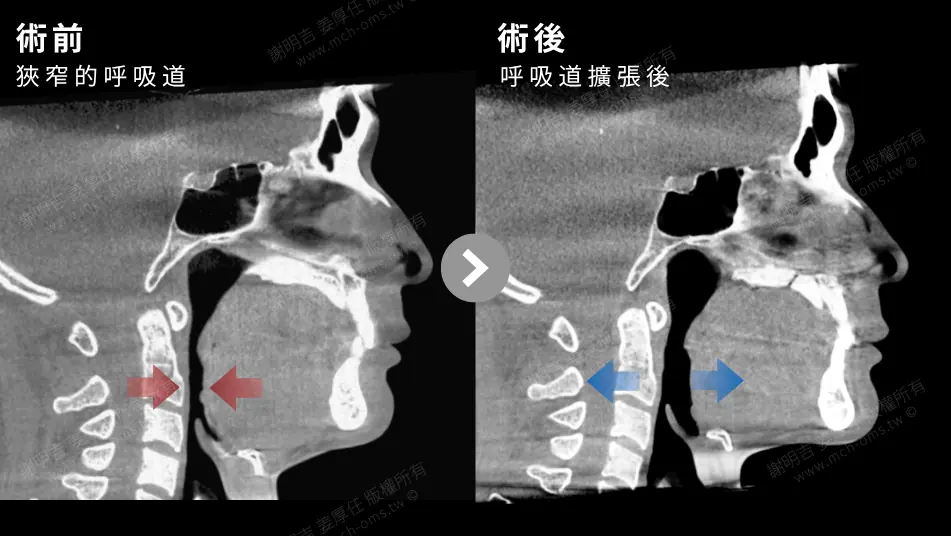
After evaluation by 3D CBCT imaging, it was confirmed that the posterior pharyngeal airway space (PAS) showed severe anatomical stenosis throughout the entire length. The overall treatment strategy adopted an "orthodontics-first" approach: first, a one-year invisible braces procedure was performed to compensate and align the teeth, followed by a maxillomandibular advance (MMA) surgery. Three months after the surgery, the invisible braces were restarted for fine-tuning of the bite.
A Three-Dimensional Analysis of Treatment (Airway, Occlusion & Facial Aesthetics)
1. Airway Dimension
- Anatomical expansion and improved soft tissue tension: The forward movement of the bimaxillary skeleton (MMA) leads to the forward movement of the soft palate, suprahyoid muscles, and base of the tongue attached to it.
- Hyoid bone repositioning: Postoperative imaging shows that the hyoid bone is significantly displaced upward and forward, relieving the pressure of the tongue root falling back and greatly widening the volume of the pharyngeal airway.
- Clinical outcomes: Postoperative snoring and daytime sleepiness were significantly improved, and airway resistance was greatly reduced.
2. Occlusal Dimension: Occlusal reshaping and correction collaboration
- Preoperative issues: Skeletal mandibular retrusion accompanied by severe deep bite of the anterior teeth and abnormal occlusal plane.
- Digital orthodontic treatment combined with surgery: Through a year of preoperative invisible braces treatment, dental compensation is effectively eliminated and the dental arch is aligned; precise relative bone positions are established during the surgery; and seamless postoperative invisible braces are applied 3 months after the surgery to finely adjust the intercuspation relationship and establish a stable and healthy Class I bite.
3. Facial contour and vertical height management (Facial Aesthetic Dimension)
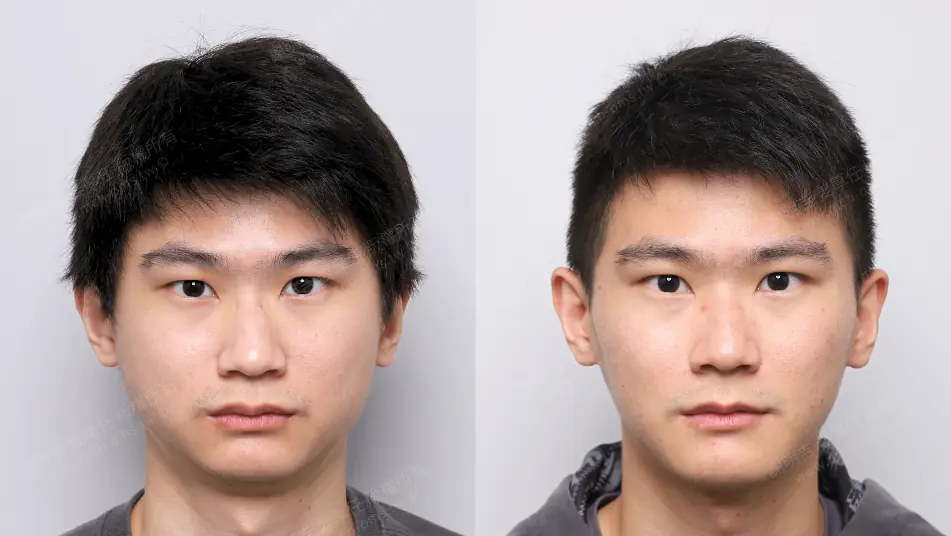
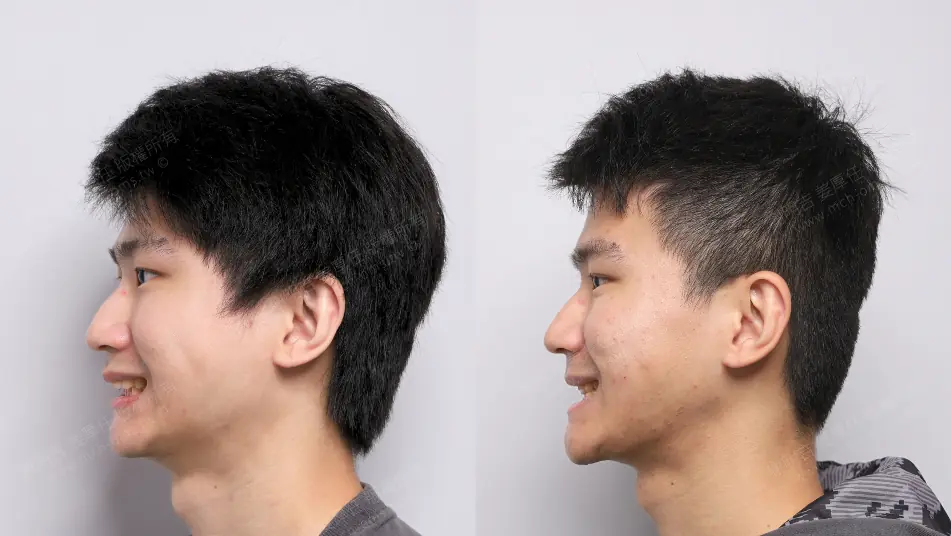
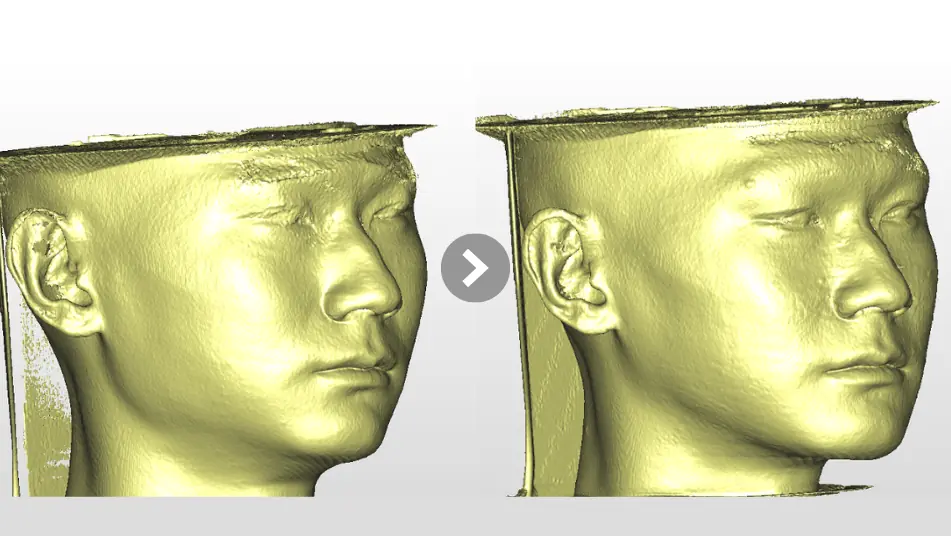
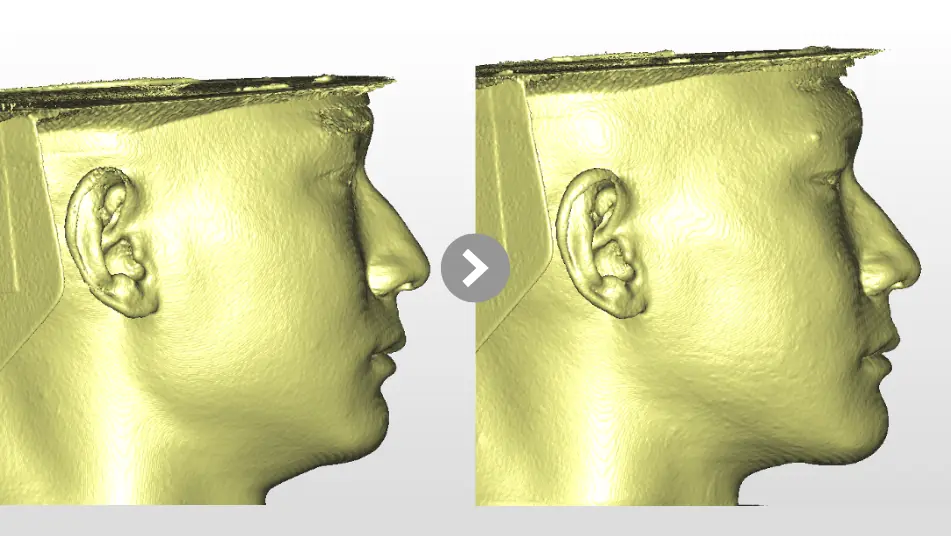
- Vertical Dimension Augmentation: The patient's original facial shape is short-face syndrome, with a receding jaw. The surgical plan involves strategically increasing the lower anterior facial height (LAFH) while advancing the jaw, improving the originally tight and short facial proportions and presenting a harmonious and three-dimensional facial contour.
- Jawline and Chin-Neck Contour Reconstruction: The jaw complex extends forward and lifts the soft tissue of the neck, making the originally blurred jawline clear and three-dimensional, and significantly improving the visual appearance of the chin-neck contour.
Clinical Summary (Takeaway)
When dealing with young, non-obese patients who exhibit significant airway resistance and drowsiness, early interdisciplinary integration of orthodontics and oral and maxillofacial surgery is crucial. By combining MMA with digital invisible braces, the triple goals of "anatomical airway widening," "stabilized functional occlusion," and "skeletal aesthetic proportion reshaping" can be achieved simultaneously in a single treatment.
Special thanks to Dr. Ma Yongchang and Dr. Cai Yijun of Fengcai Dental Clinic for their professional referral and trust, which enabled them to complete this orthodontic and jaw correction treatment plan.
Appearance comparison
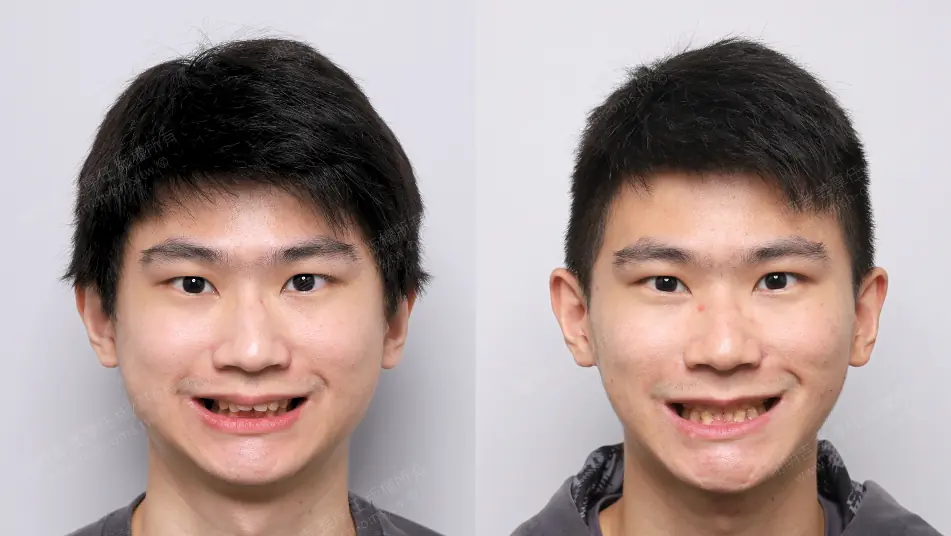
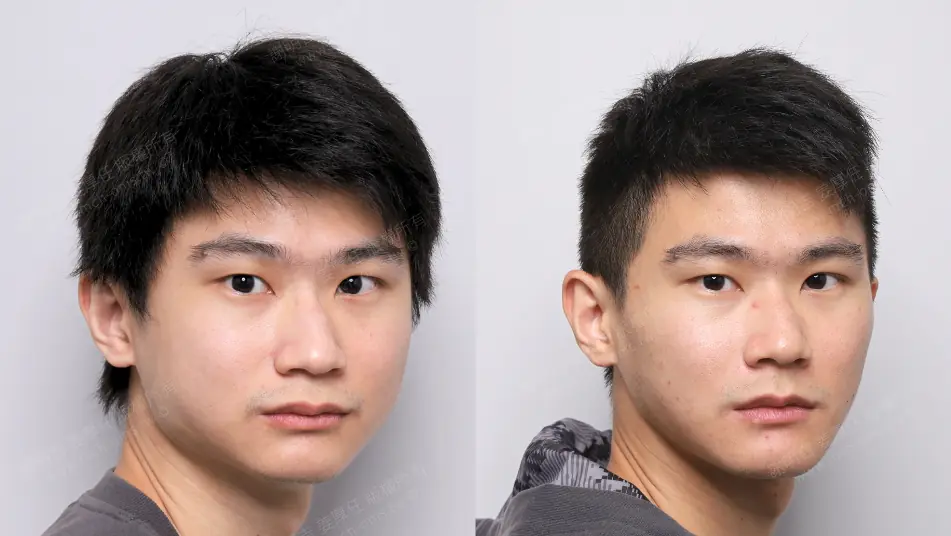
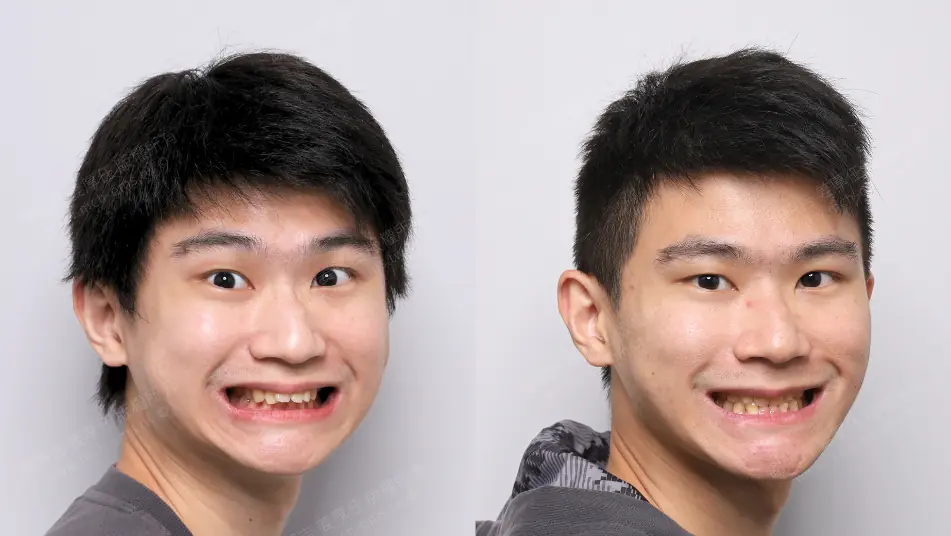
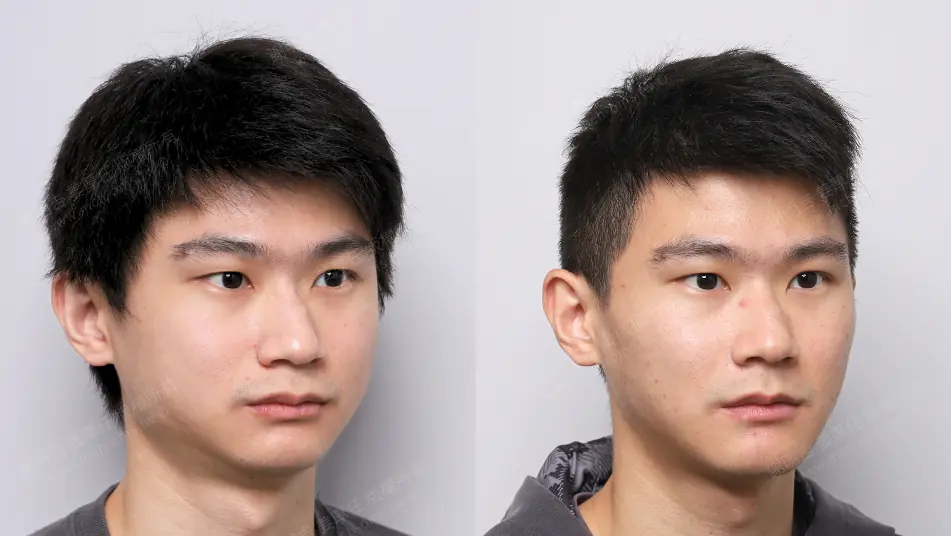
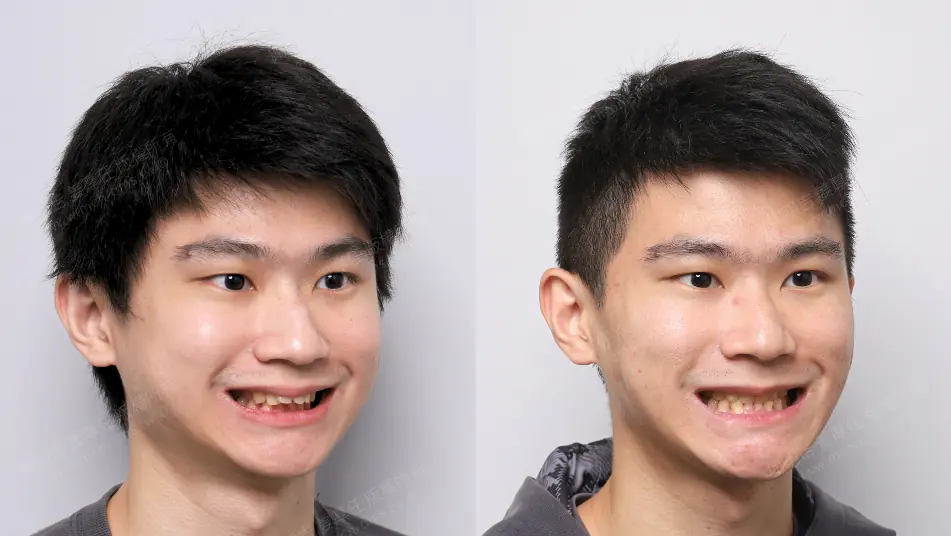
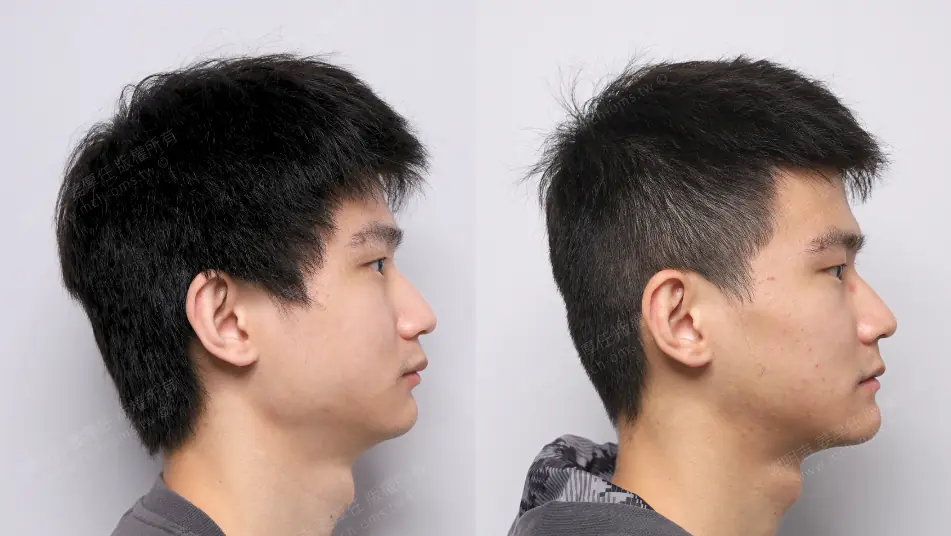
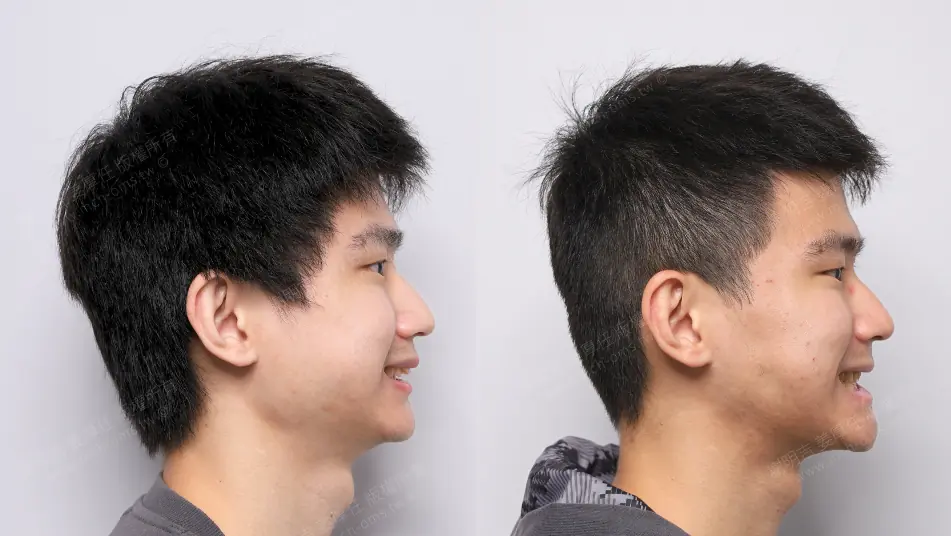
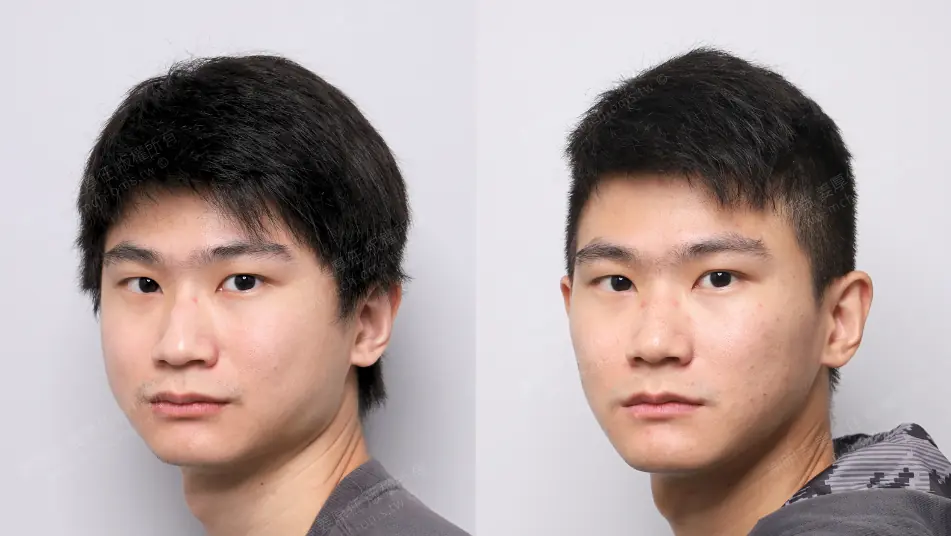
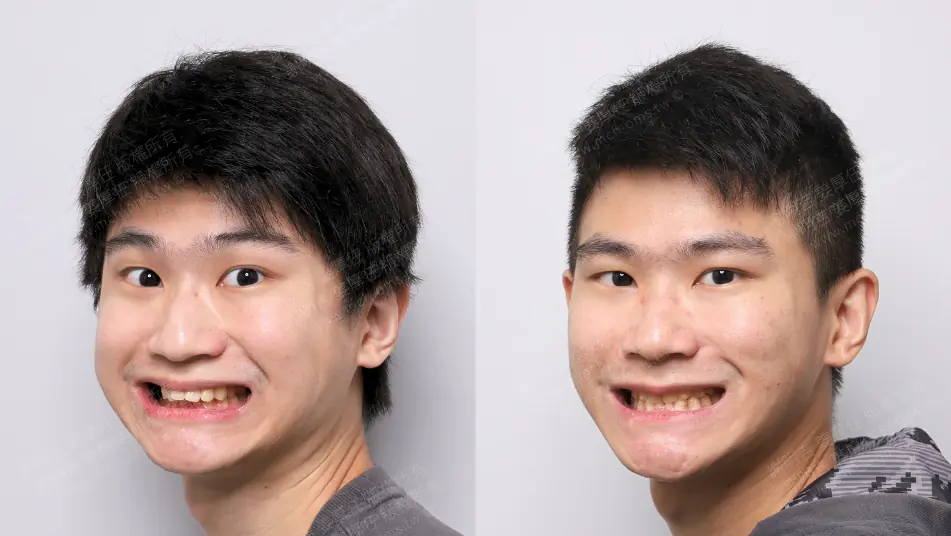
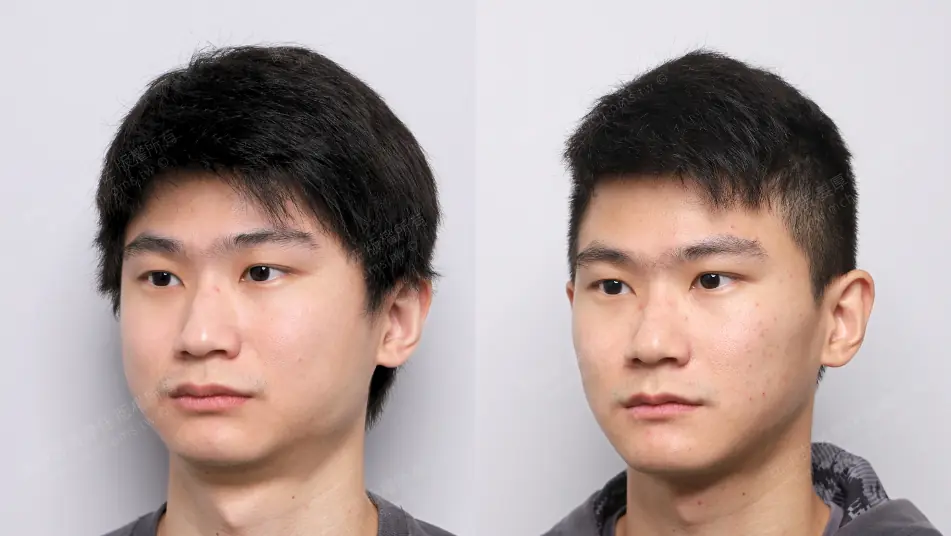
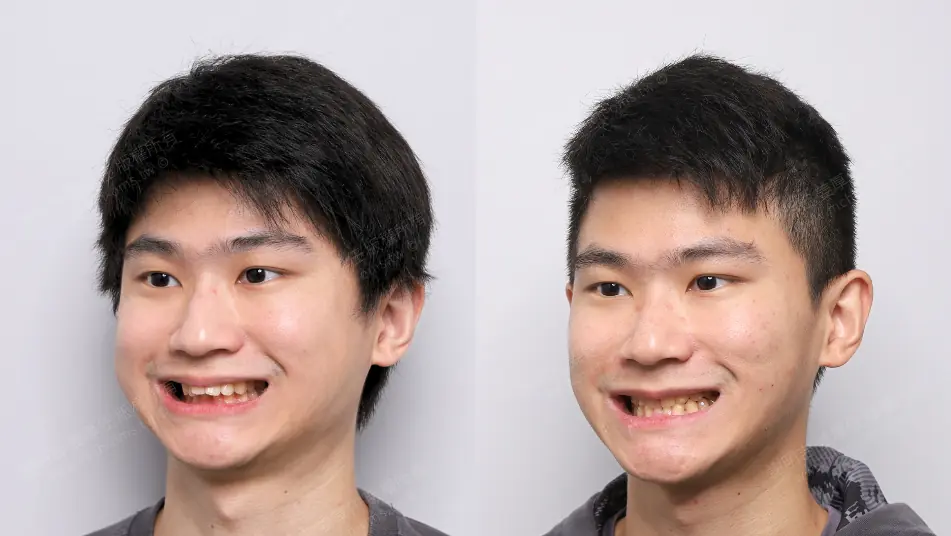
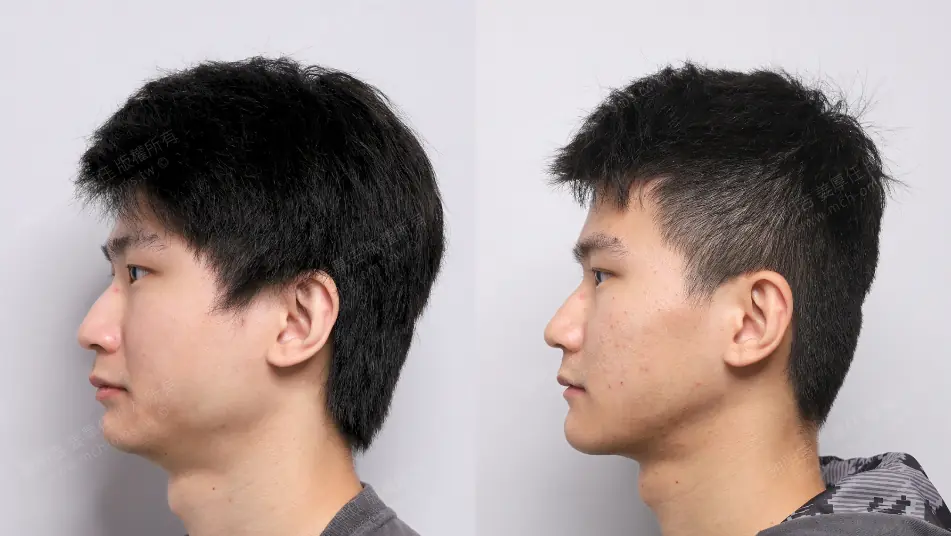
Comparison of tomography before and after surgery
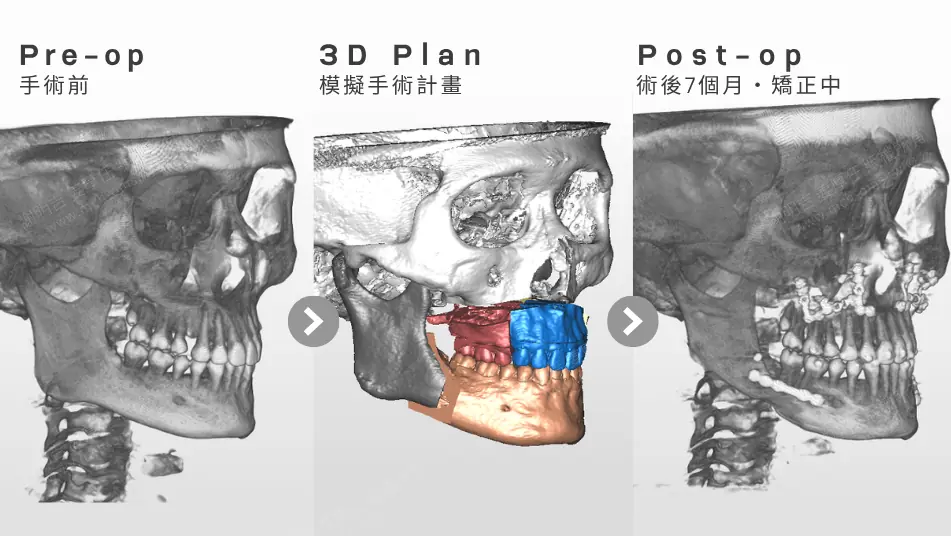
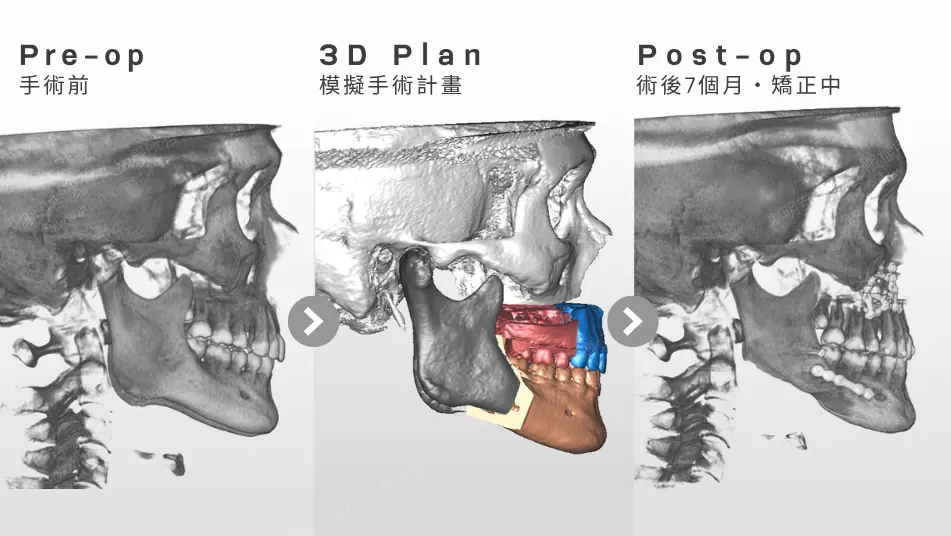
Comparison of bite before and after surgery