


How does sleep apnea affect the body's blood oxygen levels?
Sleep apnea is a common but often overlooked sleep disorder, of which obstructive sleep apnea (OSA) is the most common.
In this condition, the patient will experience multiple breathing pauses or shallow breathing during sleep. These pauses may last from a few seconds to tens of seconds, causing repeated drops in blood oxygen levels during sleep.
When the airways are blocked or the respiratory muscles cannot work effectively, oxygen cannot enter the lungs smoothly and further enter the blood circulation, causing a decrease in blood oxygen concentration (i.e., decreased blood oxygen saturation).
The blood oxygen saturation of a normal adult should be maintained above 95%, but during an attack of sleep apnea, the blood oxygen saturation of a patient may drop to 90% or even below 80%, causing a huge impact on physical health.
What effects does sleep apnea cause low blood oxygen levels on the body?
Short-term effects: Fatigue and loss of concentration
When the blood oxygen concentration is low, the organs of the body cannot get enough oxygen to function normally. This can lead to extreme fatigue and lack of energy during the day, affecting academic, work performance and interpersonal relationships. Many patients even doze off during the day or while driving, increasing the risk of traffic accidents.
In addition, low blood oxygen may also affect the brain's concentration and memory function, making people more forgetful and slower to react. The impact is more serious for groups that require high concentration, such as drivers, engineers or medical staff.
Long-term risks: cardiovascular and brain health

Long-term exposure to intermittent hypoxic environments puts the body in a state of constant stress, causing the sympathetic nervous system to become overactive, leading to the following health problems:
- hypertension: Every drop in blood oxygen may cause a rapid rise in blood pressure, leading to chronic hypertension in the long run.
- Arrhythmia and heart disease: Low blood oxygen increases the burden on the heart and increases the risk of myocardial infarction and arrhythmia.
- Stroke and brain degeneration: Long-term brain hypoxia can damage neuronal function and increase the likelihood of stroke and early-onset dementia.
- Metabolic abnormalities: Fluctuations in blood oxygen can affect insulin sensitivity and increase the chance of developing diabetes.
How to detect blood oxygen problems caused by sleep apnea?
Common signs and symptoms

If you or your family members have any of the following conditions, you should be highly suspicious that your blood oxygen level may be abnormally low at night:
- Snoring loudly, gasping frequently, or waking suddenly while sleeping.
- Waking up with a headache in the morning may be caused by lack of oxygen during the night.
- Feeling sleepy and having trouble concentrating during the day.
- Frequent dreams and frequent urination at night.
- The partner observes interrupted breathing or strange noises.
These symptoms are often mistaken for simply poor sleep, but they may hide the risk of respiratory arrest and decreased blood oxygen.
Professional doctor testing
When abnormal blood oxygen levels are suspected, it is recommended that you seek professional evaluation through the following methods:

- Pulse Oximeter: You can easily measure blood oxygen changes during sleep at home or in the hospital.
- Polysomnography: It is the gold standard and can simultaneously monitor blood oxygen, heart rate, brain waves, muscle movements, etc. to comprehensively evaluate sleep quality and abnormal breathing frequency.
- Portable sleep monitor: More suitable for home use, providing preliminary diagnosis for cases with obvious snoring and daytime sleepiness.
2 Ways to Improve Sleep Apnea and Blood Oxygen Levels
Lifestyle changes
- lose weight: Being overweight is one of the main causes of airway obstruction, and weight loss can significantly reduce the apnea index.
- Avoid sleeping on your back: Changing to side sleeping can prevent the tongue from drooping and blocking the airway.
- Quitting smoking and drinking: Tobacco can irritate the respiratory tract and cause inflammation, while alcohol can relax the airway muscles and aggravate symptoms.
- Regular exercise: Improves breathing and cardiopulmonary function, and helps stabilize blood oxygen.
Medical intervention
- CPAP positive pressure breathing apparatus: Use a mask to continuously deliver air pressure while sleeping to keep the airway open.
- Oral braces: Suitable for mild to moderate patients, by adjusting the position of the jaw to increase the airway opening.
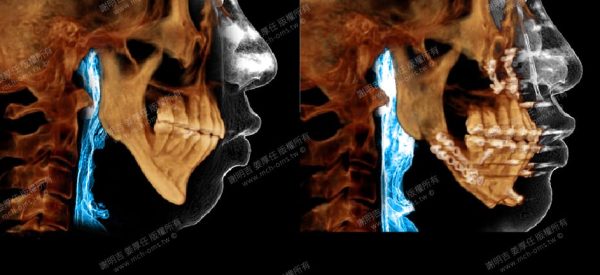
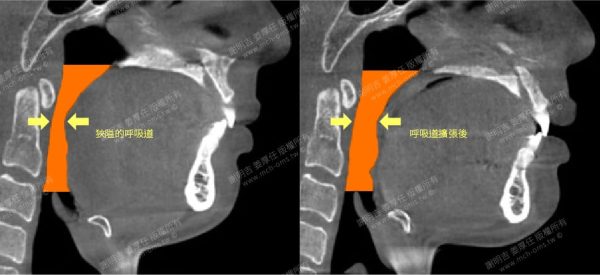
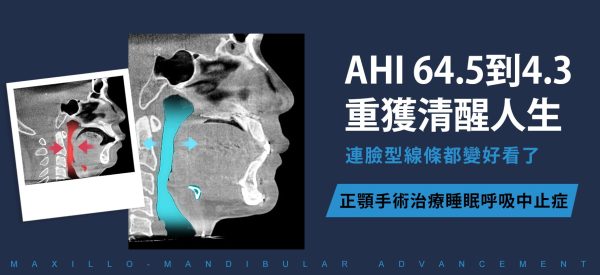
- Surgery: Such as tonsillectomy, nasal septum correction or orthognathic surgery to improve the anatomical structure.
- Use of oxygen at high altitudes: For those with abnormal blood oxygen concentration, short-term oxygen supplementation can be helpful if necessary.
Why is it so important to pay attention to respiratory arrest and blood oxygen?
Blood oxygen concentration is like the body's fuel index. Once it is insufficient, organ function will be unbalanced, and in severe cases, it may even lead to failure. If blood oxygen is unstable for a long time, it is more likely to cause or aggravate a variety of chronic diseases.
For patients with sleep apnea, improving blood oxygen levels can not only improve sleep quality and daytime alertness, but also help reduce the risk of heart disease, stroke and diabetes, prolong life and improve overall quality of life.
Therefore, when you find yourself or your family members showing suspected symptoms such as snoring, waking up with wheezing, daytime sleepiness, etc., it is important to seek medical diagnosis and treatment as soon as possible. Taking care of your respiratory health starts with paying attention to your nighttime blood oxygen level.