


| Preoperative symptoms | surgical plan |
| ModerateSleep apnea, retracted chin and mandible | 3D customized orthognathic surgery, chin advancement surgery, multi-level airway widening |
This patient had undergone orthodontic treatment with tooth extraction before, but later she found that the problems and concerns she had far exceeded whether her teeth were straight.
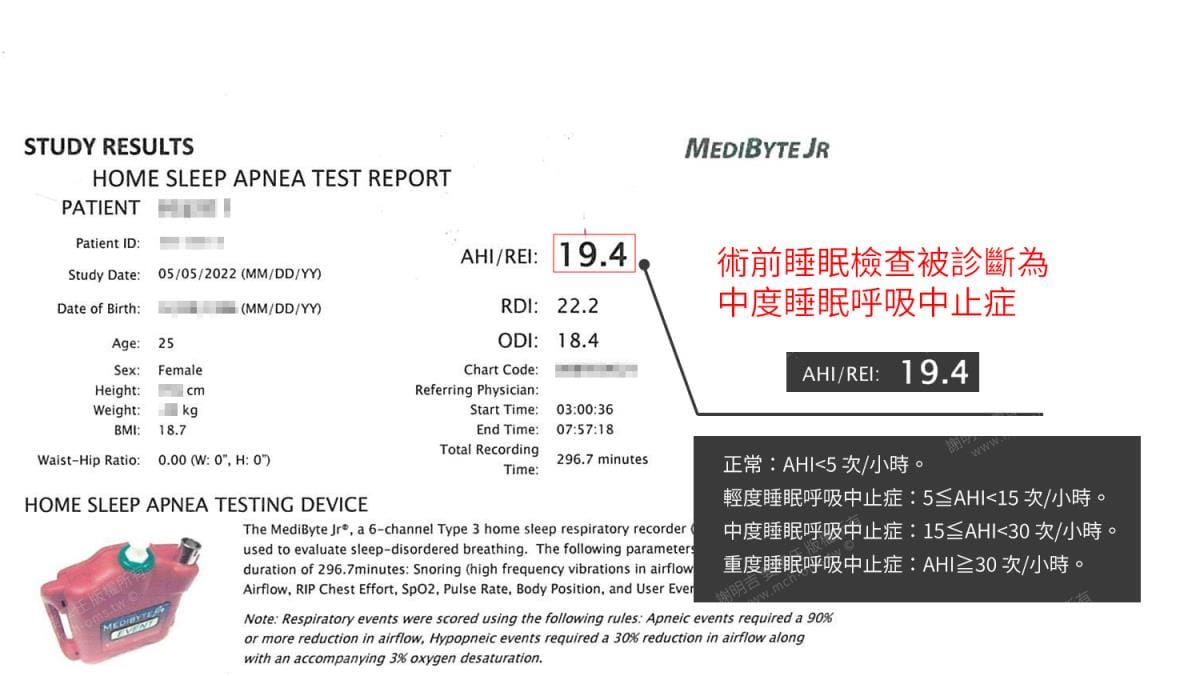
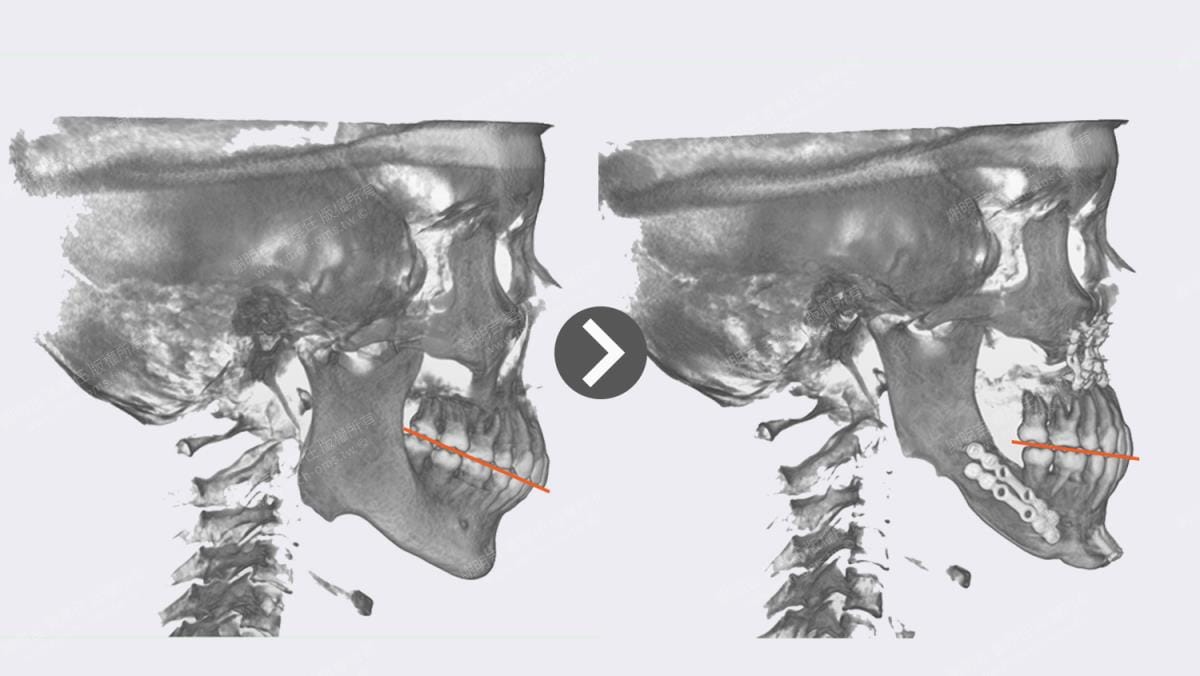
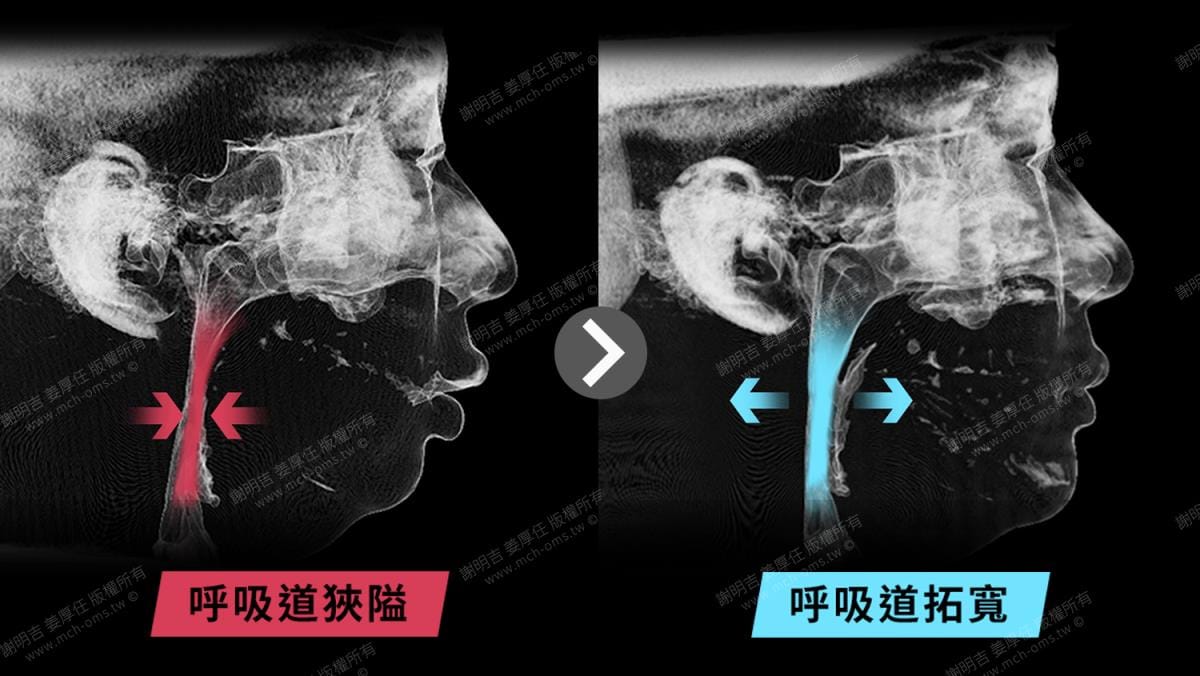
This time she was referred to our center by a sleep specialist dentist, mainly to solve her severe daytime sleepiness and snoring problems during sleep. After a sleep test, she was diagnosed with moderate sleep apnea (AHI=19.4). CT also showed that her airway stenosis was caused by severe retraction of the mandible, which compressed the posterior airway space.
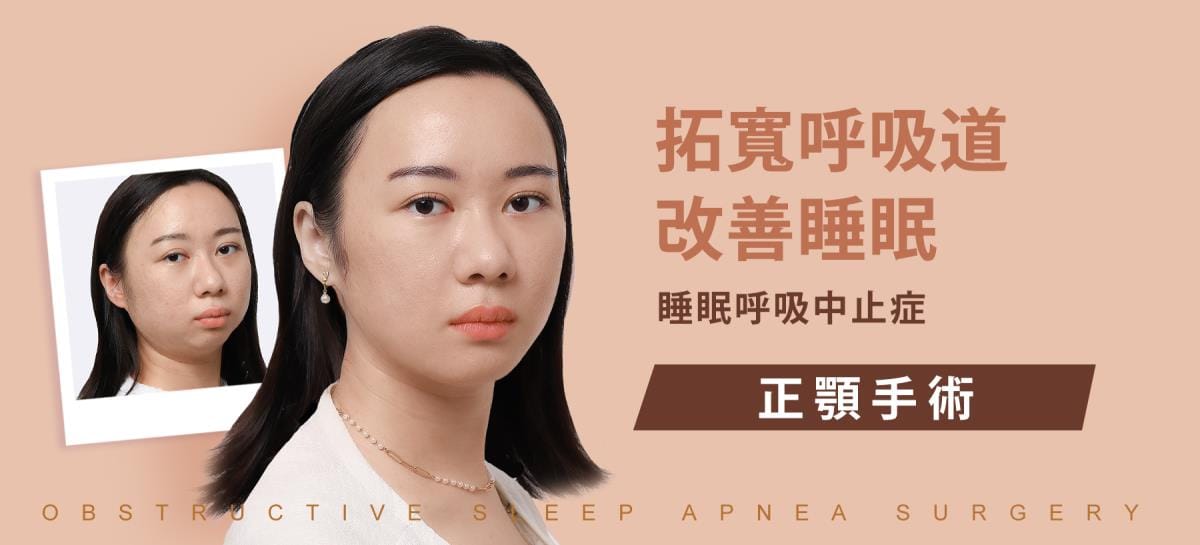
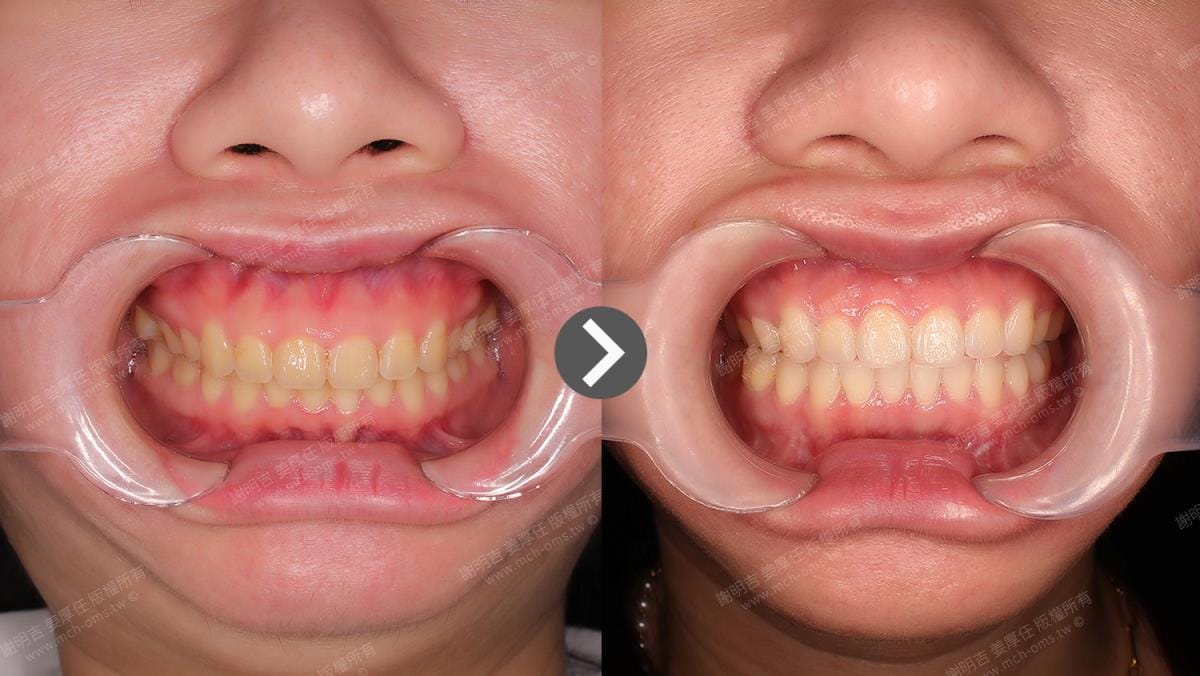
Taking into account her obvious symptoms of sleep apnea (sleepiness, snoring), the cause (narrow bones, lack of space), and her expectations for appearance and occlusion, we designed an orthognathic surgery (MMA: maxillo-mandibular advancement) for her, which would widen her airway and improve her appearance and occlusion.
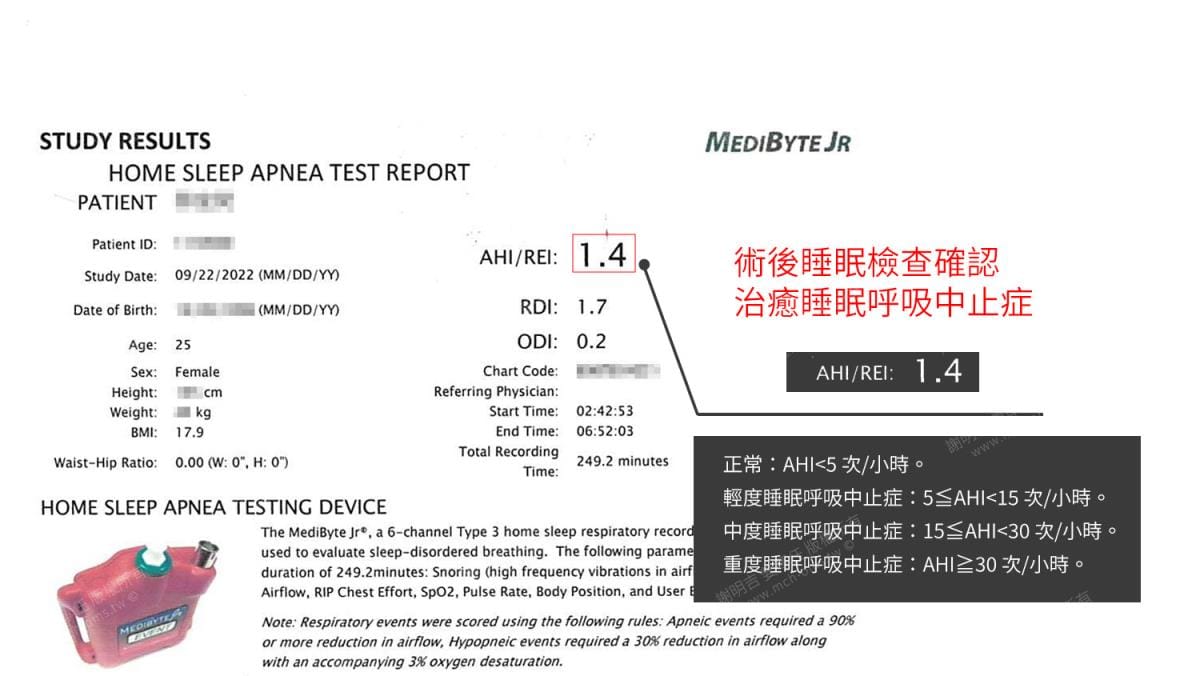
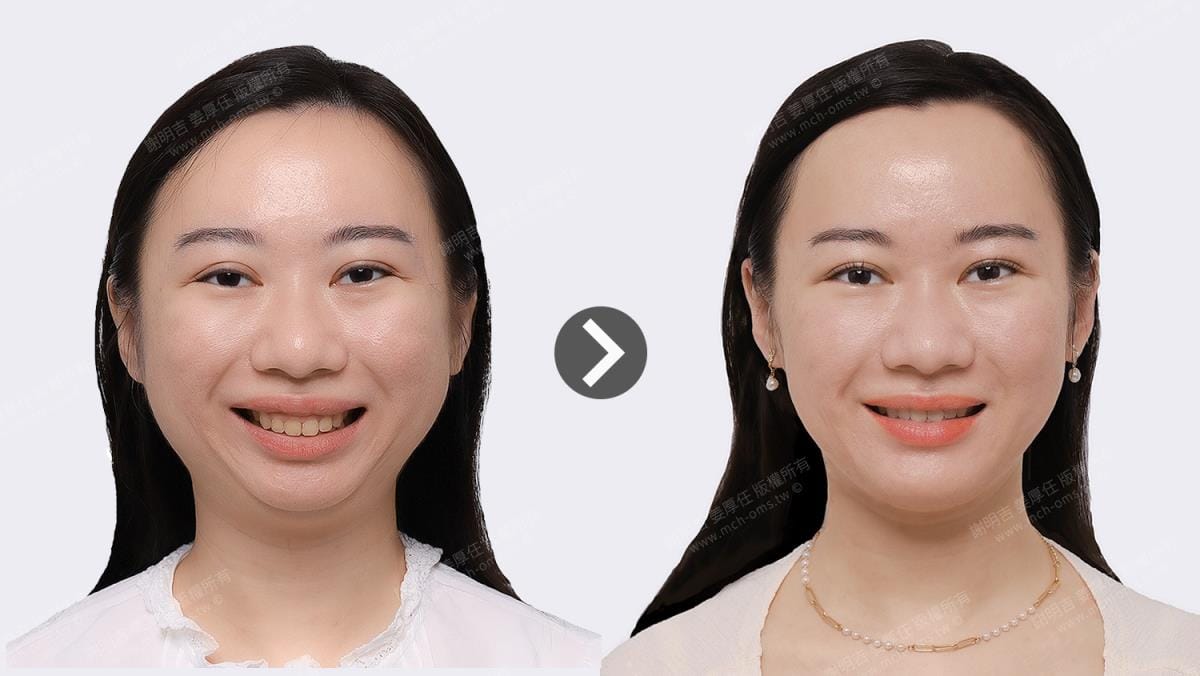
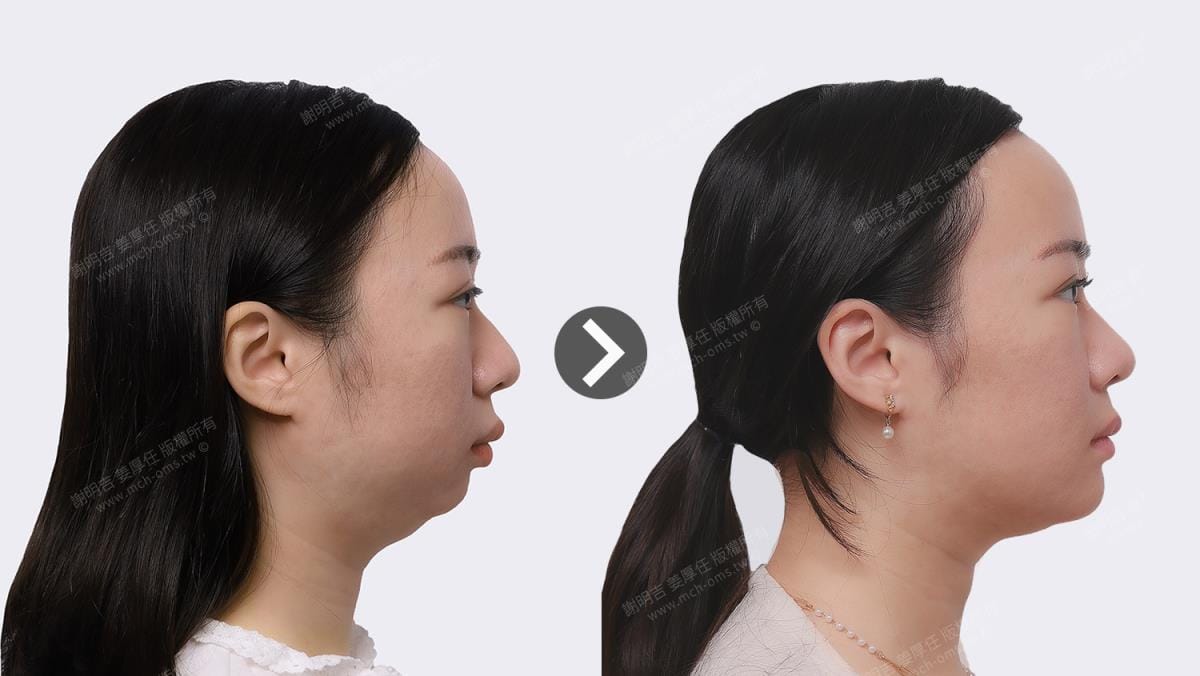
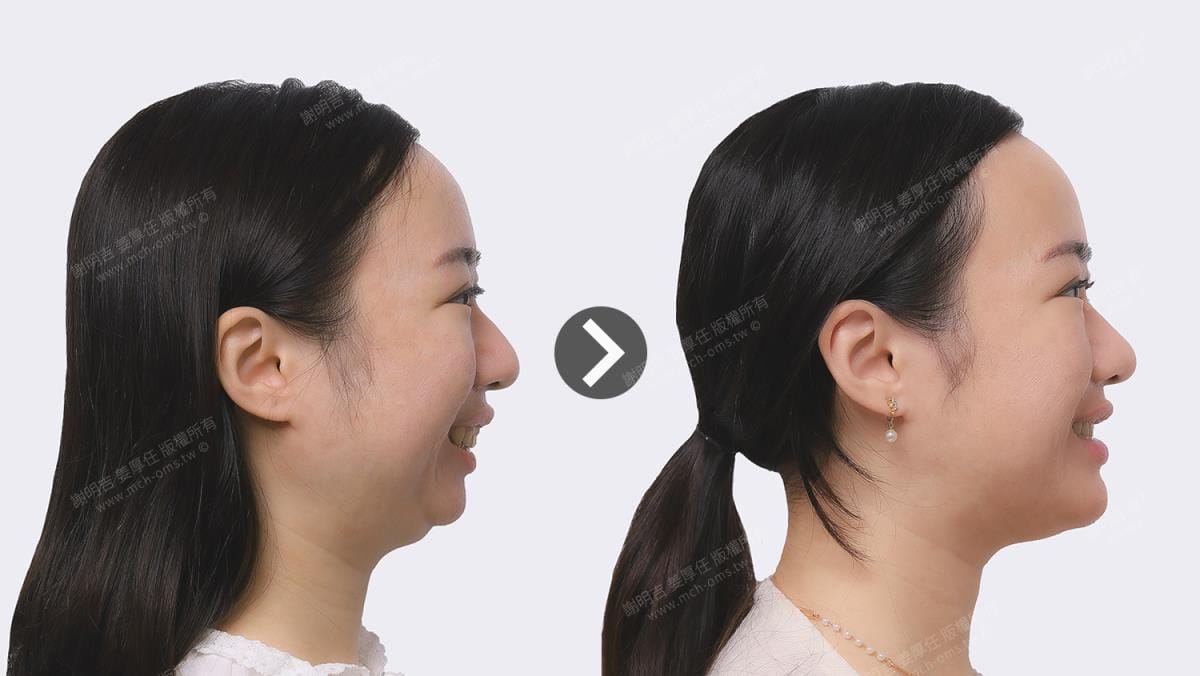
Postoperative orthodontic treatment was performed by the referring physician using Invisilign. The sleep test result six months after the operation was AHI=1.4, which has returned to normal. The symptoms of snoring and sleepiness have disappeared, and she also likes the way she looks after the operation more.
This patient had previously undergone four teeth extraction and orthodontic treatment, but later discovered that her issues and discomfort extended far beyond the alignment of her teeth. This time, she was referred to our center by a sleep specialist dentist, primarily to address her severe daytime sleepiness and severe snoring problems. After a sleep study, she was diagnosed with moderate sleep apnea (AHI=19.4). A CT scan also showed that her airway was narrowed due to severe mandibular retrusion, which compressed the posterior airway space. Considering her significant symptoms of obstructive sleep apnea (sleepiness, snoring), the underlying facial skeleton abnormality, and her expectations regarding facial appearance and occlusion, we designed a maxillo-mandibular advancement (MMA) surgery for her. This procedure simultaneously opens up the airway and improves appearance and occlusion. Postoperative orthodontic treatment was carried out by the referring doctor using Invisalign. Six months after the surgery, sleep study showed an AHI of 1.4, which is within the normal range. Her snoring and sleepiness symptoms disappeared, and she is quite satisfied with her appearance after the surgery.
Appearance changes



Tomography
Sleep apnea index