


How to effectively avoid orthognathic surgery failure? Here's what Dcard users are saying ↓
You must find a professional orthognathic surgeon, in addition toPossessing rich experienceEven moreRefer to the doctor's past successful casesThis will help to clarify the direction of treatment!
Recommended clinic for sleep apnea in Taipei - Feng Hua United Clinic
Orthognathic surgery plays a key role in improving the proportions of the jaw and face and the occlusal relationship.However, the risk of surgical failure always exists, causing many patients to have doubts. Furthermore, rumors circulate online...Orthognathic surgeryThe failed dcard case reminds everyone to evaluate carefully.
Fenghua United ClinicWill explore in depthCauses of orthognathic surgery failure, how to avoid the risk of failure, and remedial measures after failure.This will help you understand the relevant risks from a professional perspective and provide practical advice, so that every patient can receive the most appropriate treatment in a safe and professional environment.
If you want to avoid orthognathic surgery failure, Dcard netizens: Do these two things first!
When facing orthognathic surgery, patients should be prepared in advance to avoid surgical failure and postoperative regret.
Apart fromLooking for doctors with professional skills and rich experience,Understanding past successful cases is also extremely important.Through careful comparison and questioning, patients can have a clearer understanding of the treatment direction and possible problems they may encounter.
The following two things provide patients with specific reference:
1. Seek a professional doctor
Looking for professional experience such as Fenghua Joint ClinicDr. Xie MingjiDr. Xie hasMore than 20 years of clinical experience,Specializes in orthognathic surgery and maxillofacial reconstruction.
- He has accumulated experience in many well-known medical centersRich surgical experience
- Regularly participate in academic seminars at home and abroad,Continuously updating surgical techniques
- Won many professional awards, representing medical quality and professional standards
- clinicalCases cover various complex jaw and facial asymmetriesand congenital defect repair, deeply trusted by patients
2. Observe past successful cases
When evaluating orthognathic surgery, in addition to the doctor's qualifications and professional background, patients should also carefully observe the doctor's past successful cases. Through actual cases, patients can not only gain a clearer understanding of the doctor's aesthetic judgment and surgical planning ability, but also help themselves determine whether the desired improvement direction is met.

The following aspects can be observed:
- Are the changes before and after surgery natural and harmonious?
Orthognathic surgery not only adjusts the bite, but also affects the overall facial proportions, jawline, lip closure, and profile. Therefore, when reviewing case studies,Observe whether the patient shows natural, balanced improvement results that are in line with their individual condition after surgery.Instead of pursuing changes in only a single part.
- Does the case type resemble your own situation?
Each patient faces different problems, which may include underbite, protruding teeth, facial asymmetry, malocclusion, or uncoordinated development of the upper and lower jaws. If...Finding cases with similar conditions to your own will help you better understand the possible changes before and after surgery.It can also serve as an important reference when discussing treatment directions with doctors.
- Is there a complete description of the treatment process?
A successful case study that is worth referencing should not only show photos, but also include preoperative assessment, treatment planning, key surgical points, and postoperative recovery. With comprehensive information, patients can gain a more practical understanding of the treatment plan, recovery period precautions, and how the final outcome is achieved step by step..
- Can you see that functionality and aesthetics are both taken into account?
A successful orthognathic surgery should not only improve appearance but also simultaneously enhance occlusal stability, chewing function, and overall oral coordination. If the case demonstrates this...A clear indication that facial contour improvement and enhanced oral function are combined usually reflects the maturity and professionalism of the dentist in overall planning..
Before undergoing orthognathic surgeryTaking the time to research a doctor's past cases can help patients develop more realistic expectations and increase their chances of avoiding post-operative disappointment and regret due to insufficient information.For highly customized procedures like orthognathic surgery, success stories are not just a demonstration of results, but also an important basis for building trust between patients and doctors.
Successful surgical cases of Dr. Xie Mingji
Case 1: After tooth extraction and correction, he underwent orthognathic surgery due to respiratory arrest

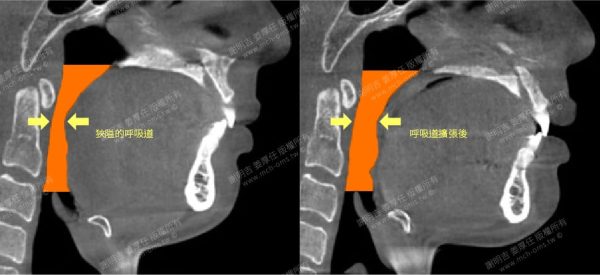
The patientI had received tooth extraction and orthodontic treatment, but later I found that I hadSevere sleep apnea symptoms, whose sleep examination results showed an apnea index (AHI) of 19.4, plusProminent receding chin and jaw, resulting in compression of the posterior pharyngeal wall.

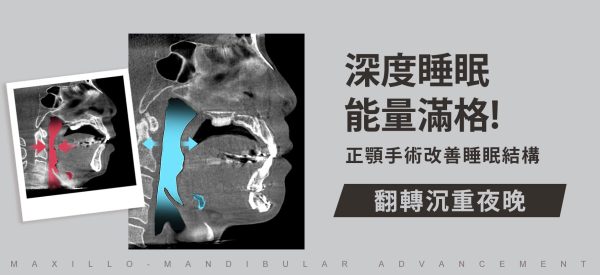
In response to these problems, Fenghua Joint Clinic designed3D customized orthognathic surgery, perform reverse rotation and advancement of the upper and lower jaws and chin advancement surgery to effectively widen the airway. The results of the six-month postoperative examination showed that the patient's AHI dropped to 1.4, daytime sleepiness and snoring problems improved significantly, and he was very satisfied with the changes in his appearance after the surgery..
Case 2: Sleep apnea: Snoring caused me to sleep in a separate room from my girlfriend

The patient in this caseDue to long-term snoring and sleep apnea, he even had to sleep in a separate room from his girlfriend, which seriously affected his quality of life.
The patient was examined and found to have significant chin and mandibular retraction problems, and subsequently underwent 3D customized orthognathic surgery and chin advancement surgery.

During the follow-up visit six months after the operation, the patient said that his snoring had significantly decreased, and his girlfriend no longer complained, and the two were finally able to sleep together.; Improvements in appearance are seen as added value, giving patients more confidence to face the future.
Through these cases, patients can gain more confidence and have a clearer understanding of the treatment process and the challenges they may encounter.
What are the reasons for orthognathic surgery failure?
Orthognathic surgery failure may be caused byMultiple factorsThese factors not only affect the success or failure of the operation itself, but also affect the patient's quality of life and psychological state after the operation.
If the patient fails to fully understand the surgical process and potential risks before surgery, he or she will feel extremely regretful if problems arise after surgery, which will affect his or her mood and recovery process. also,Improper postoperative care or poor health of the patient can also greatly reduce the effectiveness of the surgery..
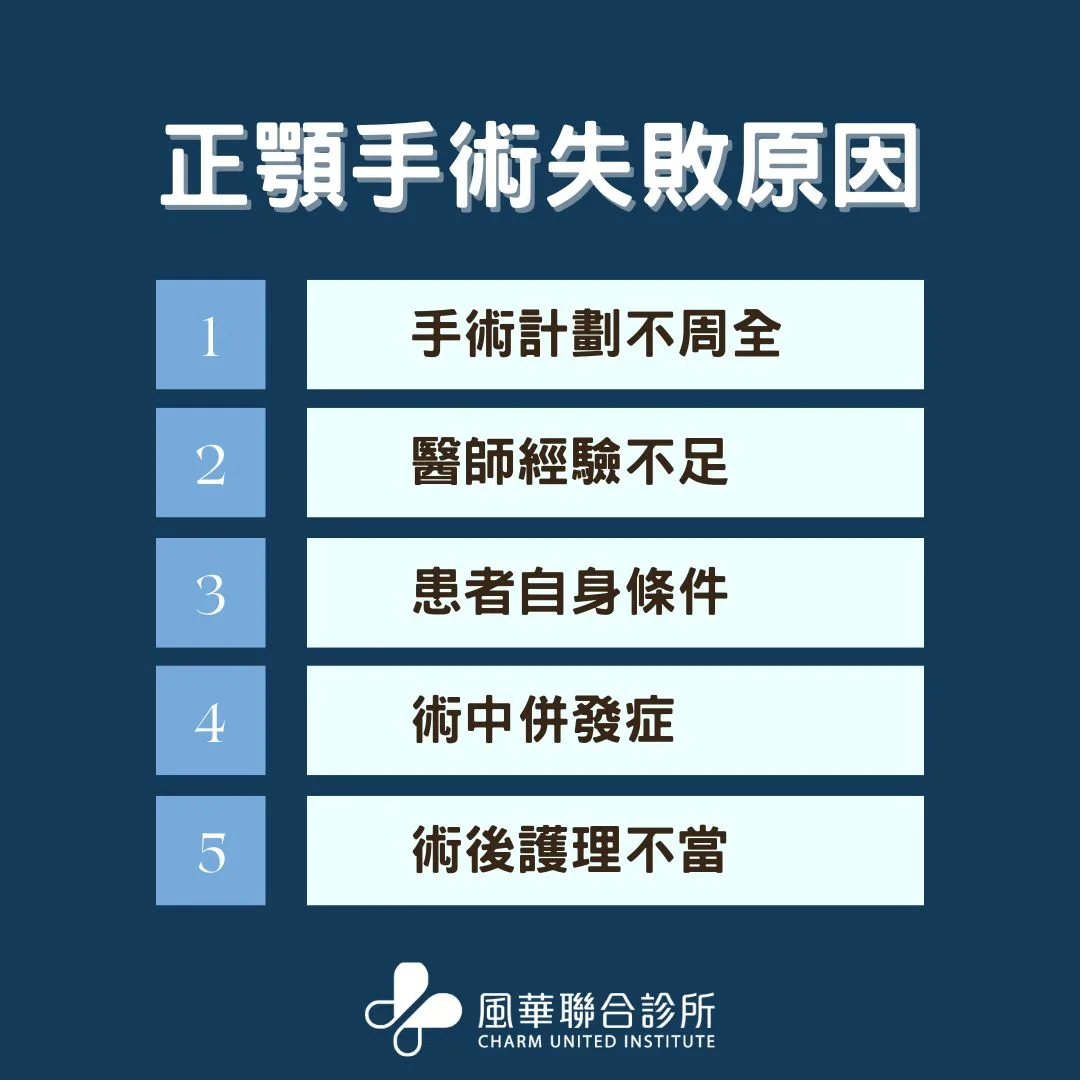
The following are the main causes of orthognathic surgery failure:
Poor surgical planning
These include inadequate diagnosis and incomplete imaging assessment, leading to poor surgical planning.
Insufficient physician experience
Insufficient surgical skills and clinical experience may increase the risk of surgical complications.
Patient's own conditions
Osteoporosis, chronic diseases or bad living habits may affect the results of surgery.
Intraoperative complications
These include infection, bleeding, or unexpected organ damage, which may lead to surgical failure.
Improper postoperative care
Inadequate cleaning during the recovery period, failure to take medications as directed by the doctor, and lack of proper rehabilitation and observation can easily lead to postoperative complications.
Understanding the above factors, patients should fully communicate with their doctors and conduct risk assessment before deciding to undergo surgery.
How to remedy the failure and regret of orthognathic surgery?
Facing the failure and regret of orthognathic surgery,Patients need not despair, because advances in medicine have gradually improved the remedies.
First, you mustConduct a comprehensive follow-up evaluation, understand the specific reasons for the failure of the operation and then develop a correction plan.
In the case of failure due to inadequate surgical planning or intraoperative complications, professional physicians will, based on the patient's specific conditions,Redesign surgical plan or provide non-surgical treatment,Such as physical therapy, correction device assistance, etc..
During this process, patients shouldMaintain good communication with doctors and follow up on recovery status regularly, to avoid similar situations from happening again.
- Follow your post-surgery rehabilitation plan to ensure your body can adjust to the new adjustments.
- Go for regular checkups to detect and address any abnormalities early.
- Follow your doctor's advice and adjust your lifestyle and eating habits to promote recovery.
- Psychological counseling is also very important. Faced with the emotional fluctuations caused by surgical failure, professional psychological counseling can help patients regain their confidence.
If you are facing a similar dilemma, please contact a specialist clinic for evaluation immediately. Professional doctors will help you find the most appropriate remedy to restore your health and smile.
Is there a high risk of death after orthognathic surgery? Why does this happen?
Although orthognathic surgery is a mature surgical procedure, any medical procedure has certain risks. Therefore, concerns about deaths caused by orthognathic surgery often arouse the concern of many patients.
In fact,The chance of death during orthognathic surgery is not high. In most cases, it is due to the patient's other underlying diseases or unexpected complications during the operation.
During the operation, factors such as infection, severe bleeding, and anesthesia reaction may cause unexpected dangers in rare cases. on the other hand,Inadequate preoperative evaluation and imprecise surgical planningIt is also an important reason leading to serious consequences.
- Infection and bleeding:Although such complications have been greatly reduced in modern surgery, improper postoperative care may still lead to serious consequences.
- Anesthesia risks:Some patients may be allergic to anesthetic drugs or have increased risks due to insufficient cardiopulmonary function.
- Surgical errors:The doctor's poor skills or poor operating environment may pose a threat to the patient's life.
- Physical health condition: Before surgery, relevant examinations should be conducted to assess whether your health condition is suitable for general anesthesia surgery.
Patients are advised to seek professional consultation and understand all risks and precautions before undergoing orthognathic surgery.
Want to avoid orthognathic surgery regrets? Fenghua Joint Clinic is your first choice for orthognathic surgery
Choosing a professional and trustworthy medical team is the key to avoiding regrets after orthognathic surgery.
Fenghua United ClinicHe not only has extensive experience in oral and maxillofacial surgery and otolaryngology,He has also demonstrated advanced technology and excellent results in orthognathic surgery and the treatment of sleep apnea and other related diseases.
We uphold the patient-centered philosophy.From preoperative evaluation, surgical planning to postoperative rehabilitation, we provide a full range of customized treatment plans, coupled with careful postoperative follow-up, ensuring that every patient can recover in a safe and secure environment.
- Our professional team of doctors continues to study and constantly introduce advanced international technologies.
- Complete preoperative consultation and detailed surgical planning can reduce the risk of surgical failure and regret.
- A rigorous postoperative rehabilitation plan and close tracking mechanism ensure a smooth recovery process for patients.
If you are considering orthognathic surgery, or have any concerns about the risks of surgery, please call us for consultation.We will provide you with one-on-one professional advice, assisting you on the road to recovery, saving you from the regret of surgery and helping you regain your health and confidence.
Further Reading