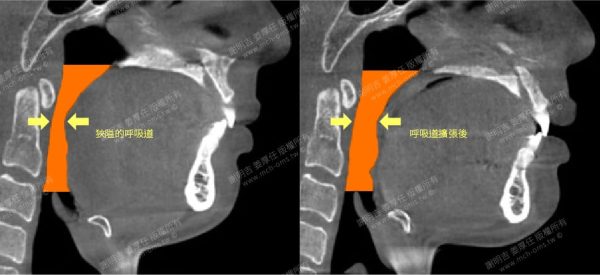



When we look in the mirror and find that our mouth is particularly protruding from the side and the facial lines are not coordinated, we often think about whether we need orthodontic treatment.
But in fact, this type of appearance problem is not necessarily caused by misaligned teeth, but is more likely to be caused by abnormal bone structure of the upper and lower jaws, which is the common "protruding mouth" and problems related to orthognathic surgery.
A protruding mouth not only affects facial proportions and profile lines, but can also lead to malocclusion, breathing difficulties, and even affect self-confidence and social life.
Fenghua United ClinicFrom the perspective of professional oral and maxillofacial surgeons, we will conduct an in-depth analysis ofCauses and treatment of protruding mouth and orthognathic arthritisand real changes to help you make the most appropriate medical choices.
What is a protruding mouth and a straight jaw? It turns out facial shape isn't just the fault of your teeth.
When a person looks in the mirror and finds that their mouth is obviously protruding, especially if the profile of their face cannot align with the ideal "E-line" (the line from the tip of the nose to the chin), they often mistakenly think that simply correcting their teeth can improve the condition.
In fact, this phenomenon is likely to be "mouth protrusion", which comes from a deeper abnormality of the bone structure, namelyThe appearance is not harmonious due to the bone structure, and correction alone cannot achieve satisfactory changes..
What is bony mouth protrusion?
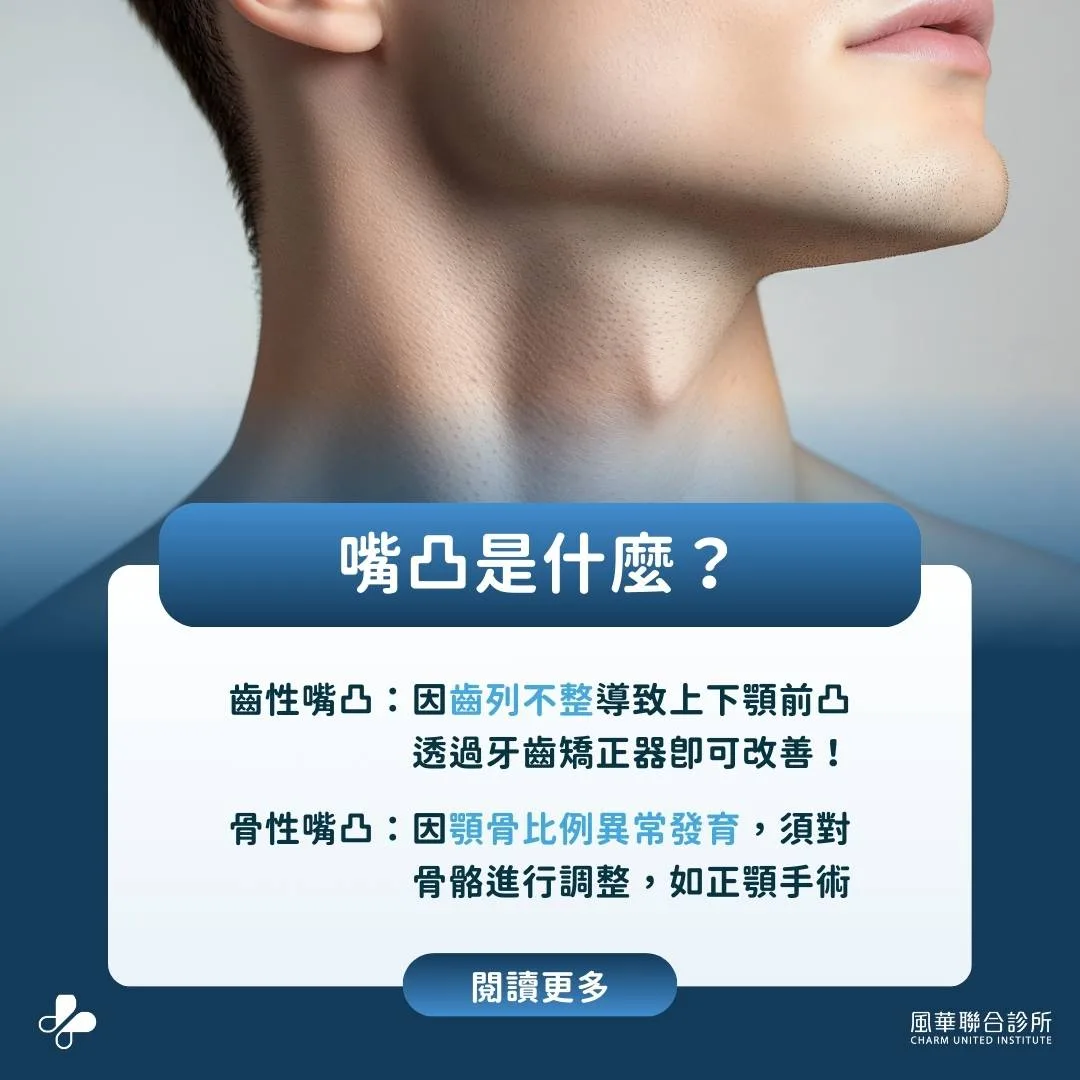
- Bony mouth protrusion refers toAbnormal development of the upper and lower jaws, causing the mouth to appear protruding, for example: excessive protrusion of the maxilla, retrusion of the mandible, or abnormal development of both.
- These problems are developmental abnormalities of the bone structure, not tooth alignment.
- Without skeletal adjustments, simply straightening the teeth can result in an abnormal bite or an unnatural appearance.
How is it different from simple orthodontics?
- Tooth-related mouth protrusion: Slanted or crowded teeth can be improved through tooth extraction and traditional braces.
- Bony mouth protrusion: The abnormal proportions of the upper and lower jaw bones require orthognathic surgery for bone adjustment and cannot be solved by braces alone.
Preoperative analysis should be performed by a professional physician to determine whether bone or tooth problems are the main cause.
What do dcard netizens say?
Many patients who shared their experiences on dcard said, "I still feel my mouth is protruding after wearing braces for several years," and "My mouth looks more protruding after correction."
Their most common concerns include: "Will the surgery be painful?" "Will my face be disfigured?" "How long will it take to recover?"
However, many people who have undergone orthognathic surgery have said that their facial contours have been significantly improved and their self-confidence has been greatly improved. They believe that this is a worthwhile change and choice.
If you have a similar situation, you may wish to continue reading to learn about the complete process and evaluation of orthognathic surgery.
How is orthognathic surgery performed to correct a protruding mouth? A complete guide to the process
Many patients are both excited and afraid of orthognathic surgery.This is a relatively safe and systematic surgical procedure that can effectively improve the bone problems of protruding mouth and orthognathicFrom pre-operative planning to post-operative care, here are the steps you need to know.
Physician consultation and preoperative examination
- First, collect 3D full craniofacialComputed tomography (CT), dental models and intraoral and extraoral clinical photography examination data
- Confirm the relative position of the upper and lower jaws, analyze the bite relationship and facial proportions
- Integrate the orthodontist's evaluation report to decide whether to prioritize orthognathic surgery (Surgery-First Approach) or orthodontics (Orthodontics-First Approach).
Where will the surgery be performed?
- Depending on individual circumstances, it is usually a two-jaw orthognathic surgery for both the maxillary and mandibular bones. The doctor will perform bone resection and repositioning through an intraoral incision.
- Titanium alloy bone plates and bone screws are used for bone fixation, and they do not need to be removed in the future if there is no discomfort.
Post-orthognathic surgery recovery period
- Stay in the hospital for observation the night of surgery and usually return home the next day, there is obvious swelling of the face in the early stage, but it is a normal recovery process.
- It is necessary to follow a liquid diet, change the dressing regularly, clean the mouth, apply ice and hot compresses to reduce swelling as prescribed by the doctor, and avoid strenuous exercise.
- Most people can resume their daily activities one month after surgery.It takes at least 6-9 months for the swelling to subside completely and stabilize..
If you are concerned about pain or risks, it is recommended that you have an in-depth discussion with the oral and maxillofacial surgeon who will be performing your orthognathic surgery to understand your individual situation and risk assessment.
Can orthognathic surgery improve protrusion of the mouth? See the real changes and side effects.
Most patients who choose orthognathic surgery seek not only to correct malocclusion but also to significantly improve their facial contours. So, does orthognathic surgery truly offer a "better look"? Based on years of clinical experience and patient feedback, Fenghua Joint Clinic has compiled several key changes and postoperative precautions to help you better understand orthognathic surgery.
Before and after comparison of face shape changes(Case Study)
- The side face lines are smoother and more natural: The upper and lower lips return to a coordinated position, making lip closing easy and effortless
- Adjust the chin angle to make the face more three-dimensional: Improve the receding chin and enhance the overall contour of facial features
- The lips are no longer curled outwards, and the temperament has changed significantly: From the original "pouty face" and "bird mouth" to a natural state
- Improved head-neck ratio: Helps correct hunchback, optimize breathing and standing posture, and naturally show a confident posture
Will I feel numb after orthognathic surgery? Will my mouth become crooked?Understanding Common Recovery Conditions After Orthognathic Surgery
After orthognathic surgeryPossible symptoms include facial numbness, lower lip insensitivity, and facial swelling., most of them are temporary. These changes are mostly related to nerves being pulled or pressured.About 901 patients with TP3T or above will gradually recover within 3 to 6 months after surgery.I feel that a small number of people may need longer observation and tracking.
Psychological transformation and confidence boost: From "covering your mouth and smiling" to true freedom
After the surgery, most people reported that they no longer needed to cover their mouths when taking photos, interacted more naturally with others, and gained more confidence in job interviews.Self-identity and psychological healing from the inside out.
For many people, orthognathic surgery isA turning point in a long struggle, and it is also a life choice worthy of careful evaluation.
If you also want to know whether your face shape is suitable for surgery, let’s discuss the judgment criteria together.
How do I know if I need orthognathic surgery?

Not everyone with a slightly protruding mouth needs surgery. So, how can you determine if orthognathic surgery is suitable for you?
The following are several common assessment criteria, which are provided for your preliminary reference. The final judgment still needs to be made by an oral and maxillofacial surgeon based on the relevant information.
Judging from the front and side
- Side face observation: If the lips extend beyond the nose tip and chin line (E-line) by more than 2mm, it may beBone structure problemsNot just the arrangement of teeth.
- From the front: the upper and lower jaws are asymmetrical, the lips cannot close naturally, the chin is obviously receding, or the mouth is turned outward.
Are functional issues merged?
- Patients with protruding mouths often have malocclusion (such as open bite, deep bite, etc.) or breathing problems.
- If you experience snoring, mouth breathing, difficulty swallowing, etc., it may be that the bony structure is interfering with your function.
- The above problem is not just a matter of aesthetics.Medical intervention is needed to actively deal with it and improve the quality of health.
Seek evaluation by an orthognathic specialist
- Suggested inquiriesOral and maxillofacial surgeryProfessional team to conduct complete skull imaging, model and functional analysis
- Fenghua Joint Clinic provides an integrated orthognathic assessment process, to help you confirm whether you are suitable for surgery
- Make decisions based on medical, safety and aesthetic considerations through professional judgment
If you are hesitant about the question "Does protruding mouth and orthognathic surgery require surgery?", you may wish to schedule an appointment for a professional evaluation to clarify the root cause of the problem and find the treatment direction that is most suitable for you.
Fenghua United ClinicWe'll accompany you through every step of transformation and rebirth, from assessment to post-surgery. Make an appointment now and let our expertise and warmth support you in becoming a better version of yourself.
Further reading:
- Why do patients with apnea eventually choose orthognathic surgery? Orthognathic surgery conditions and symptom improvement in one visit
- What should I do if my orthognathic surgery fails? dcard netizens share how to avoid orthognathic surgery failure and regret
- The principles and functions of orthognathic surgery. The three major principles of orthognathic surgery are explained to you at once.