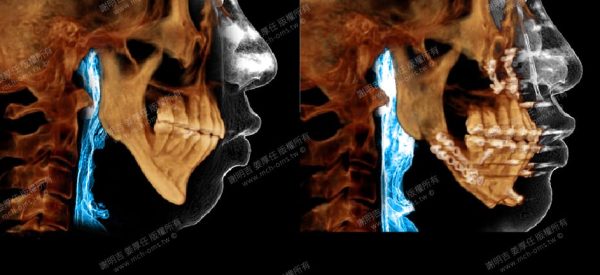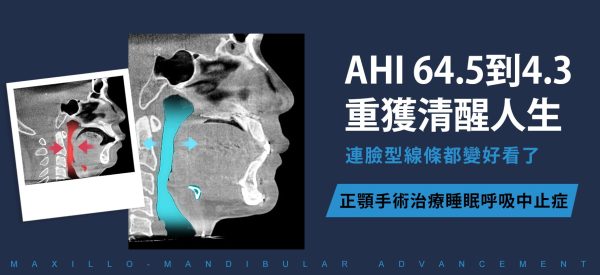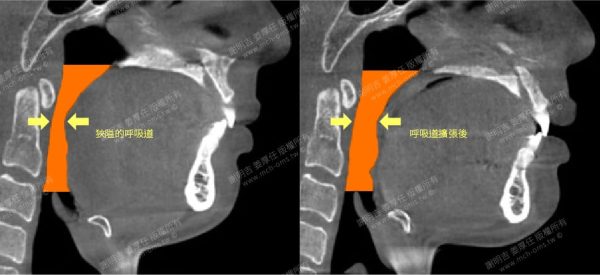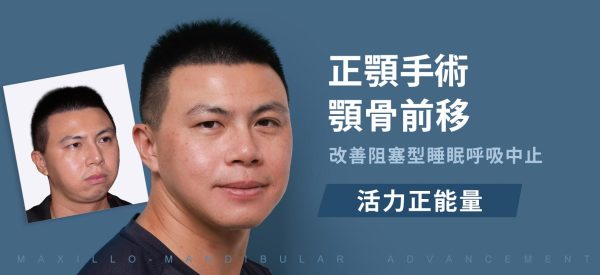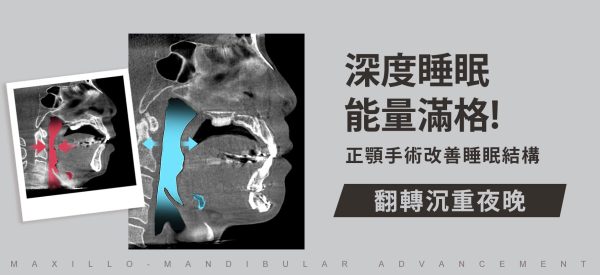


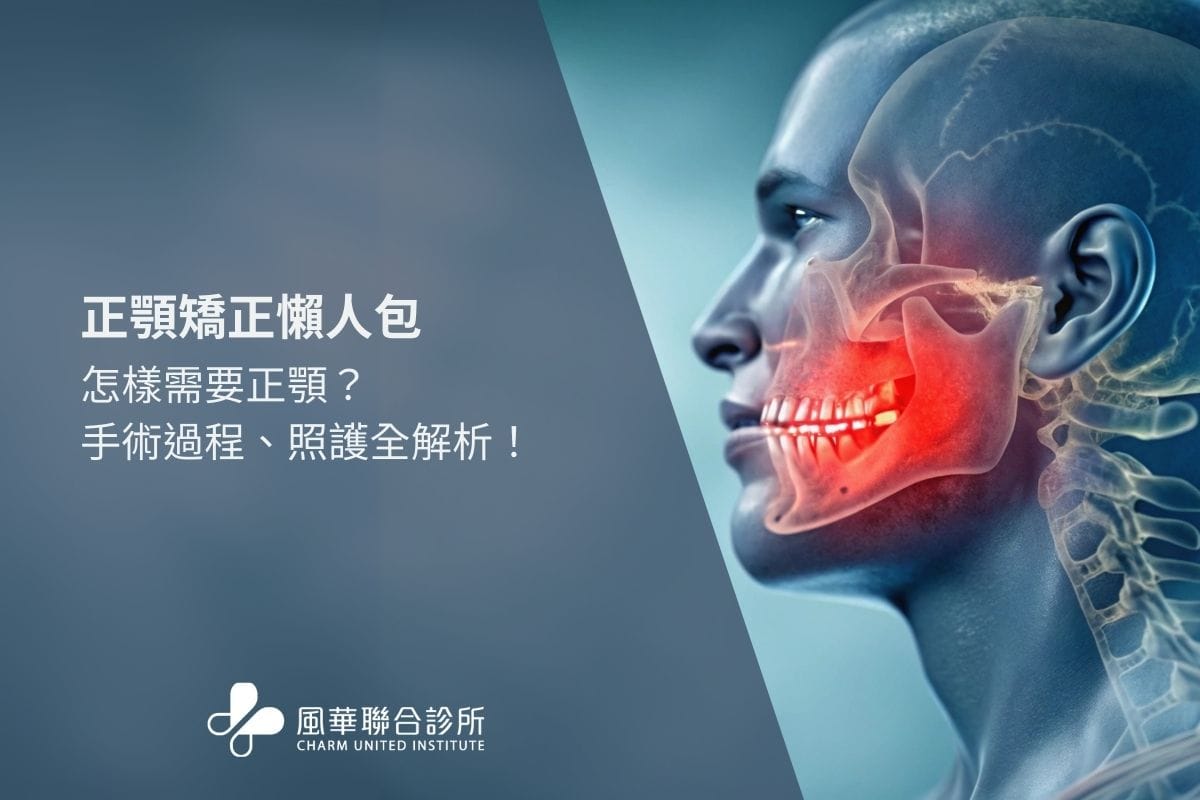
Why do we need orthognathic surgery?
Do you have any of the following problems?Long chin, asymmetrical face, difficulty biting, misaligned upper and lower teeth, wearing braces without significant improvement in appearance or bite, snoring during sleep, and inability to close the mouth naturally.
If you have a similar situation, the problem may not just be "tooth alignment," but rather an abnormality in the jawbone structure itself. This type of condition is medically known as skeletal malocclusion, and often requires "orthognathic surgery" to truly improve it.
Recommended clinic for sleep apnea in Taipei - Feng Hua United Clinic
This article, "Orthognathic Surgery for Lazy People," will start with the most basic concepts and guide you step-by-step through understanding: what orthognathic surgery is, who is suitable for it, the treatment process, and what to pay attention to before and after the surgery.
What is orthognathic surgery? Why can't you just wear braces?
Orthognathic surgery is an integrated treatment that combines orthodontic treatment (braces) with maxillofacial surgery.
The core goal is not simply to "align the teeth," but to adjust the position and proportion of the upper and lower jawbones so that:
- The bite returned to a stable and normal position.
- Facial structure restored to balance
- Speech, chewing and breathing functions improved
Simply put: Braces are responsible for moving teeth, while orthognathic surgery is responsible for changing the structure of the jawbone.When the problem originates from the bone itself, braces alone cannot completely solve the problem.
What are the differences between skeletal malocclusion and dental malocclusion?
In the field of orthodontics, malocclusions are divided into two main categories:
Dental malocclusion (most cases can be treated with braces alone)
If the skeletal structure is normal but the teeth are misaligned, such as mild protrusion, gaps between teeth, or malocclusion, this can usually be corrected by orthodontic treatment with braces alone.
Skeletal malocclusion (may require orthognathic surgery)
Abnormalities in the development of the upper and lower jawbones, such as an overly long lower jaw (commonly known as a protruding jaw), a receding upper jaw (midface depression), or obvious facial asymmetry (uneven face), cannot be effectively improved by orthodontic treatment alone (braces).
Orthognathic surgeryThe correction is aimed atBone problemsDesigned treatment plan.
The difference between orthognathic surgery and traditional orthodontics
| project | Traditional correction | Orthognathic correction |
| Adjustment range | Tooth position | Bone structure + teeth |
| Target customers | Dental malocclusion | skeletal malocclusion |
| Treatment | Braces | Braces + surgery |
| Effect | Aligned and partially improved face shape | To achieve complete functions and fundamental improvement of facial structure |
Orthognathic surgery can significantly improve issues such as a bulge, protruding mouth, and facial asymmetry that cannot be addressed with braces.
When is orthognathic surgery necessary? A preliminary assessment based on appearance and function is needed.
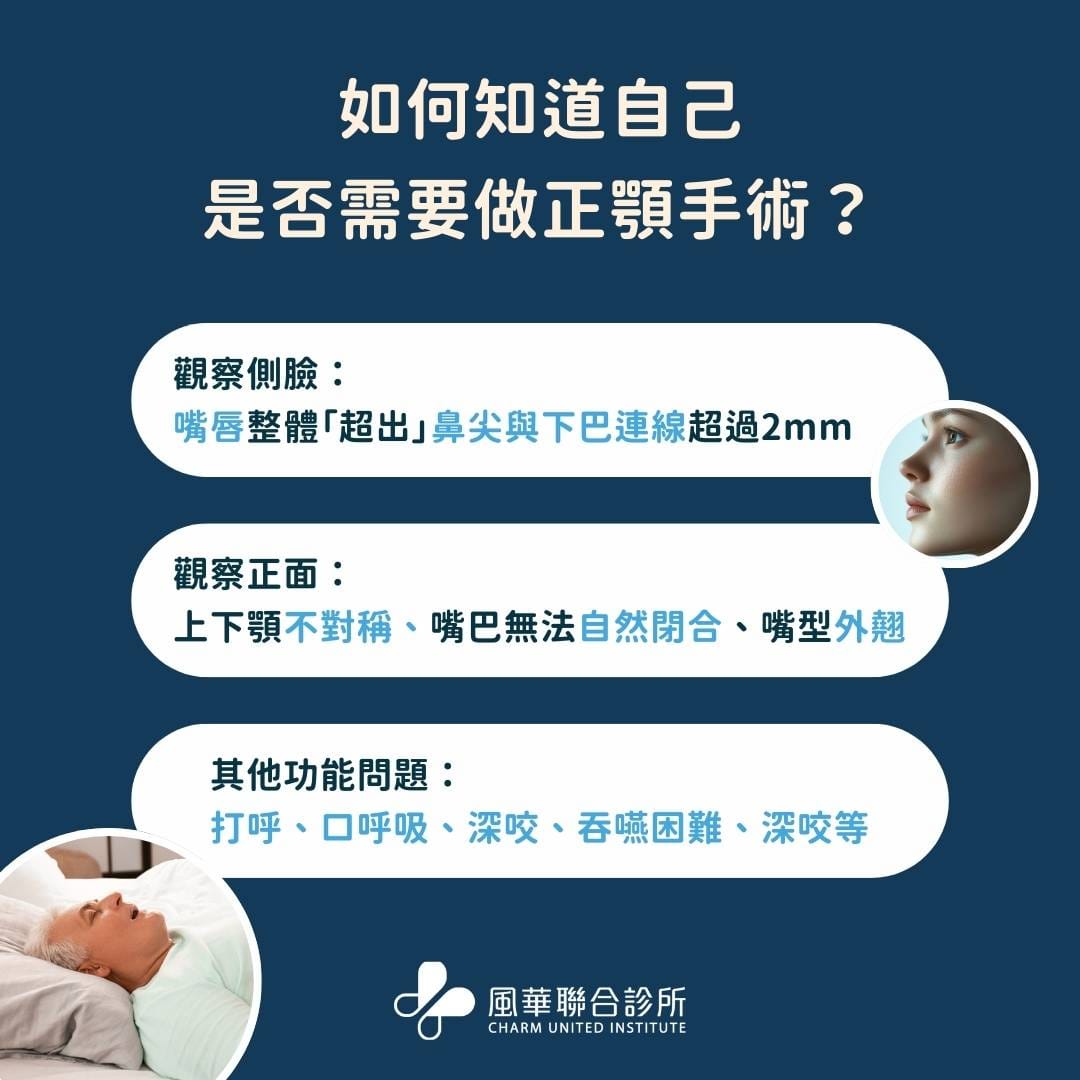
Many patients initially seek orthognathic surgery evaluation because they feel their facial shape is odd, or because they have already worn braces but found that they cannot improve their bite or facial shape. In fact,The indications for orthognathic surgery are not limited to appearance problems, but are more for improving long-term functional disorders..
We will assist you in making a preliminary assessment of whether you have skeletal malocclusion and then consider orthognathic surgery as a treatment option.
Jawbone, chin protrusion, or facial asymmetry (common bony problems)
The following conditions may be the result of an imbalance in the development of the upper and lower jaws, rather than a simple problem with tooth alignment:
- jawToo long(commonly known as the scoop) or lower jawRetraction
- mouthprotrusion(Excessive protrusion of the upper and lower jaws)
- Excessive gum display when smiling (Gummy Smile)
- Facial asymmetry (jaw deviation, unilateral developmental abnormalities)
- The lips cannot close naturally and the mouth tends to be open when sleeping
If these bone abnormalities are not treated, they will not only affect the appearance,It may also affect the bite function and breathing smoothness.
Difficulty in biting and unclear pronunciation
The following problems may not necessarily be related to obvious abnormalities in appearance, but ifBone problems assessed by an orthodontistOrthognathic surgery may also be recommended:
- When bitingThe teeth do not touch properly(open bite) orBite very tightly(Deep bite)
- When chewingFood easily gets stuck, cannot be fully ground
- Speech is slurred and leaky, especially the pronunciation of "ㄓㄔㄕ" is unclear
- Snoring at night and sleep apnea (retraction of the upper and lower jaws compressing the airway)
Age and condition restrictions
- Age recommendations: Usually recommended, etc.Stable craniofacial skeletal developmentThen surgery, usually18 years and above(Women slightly earlier, men slightly later)
- General health conditions:needNo major chronic diseasesor contraindications to anesthesia, andAble to tolerate general anesthesiaNutritional management during the recovery period
- Psychological preparation and cooperationOrthognathic treatment requires long-term follow-up visits, postoperative care, and correctional treatment, and requires complete psychological cognition and motivation
Whether orthognathic surgery is necessary is not determined solely by appearance.It is essential to undergo a joint evaluation by a professional orthodontist and maxillofacial surgeon.Only through CT scan examination, tooth model and occlusal analysis can a correct judgment be made.
Is orthognathic surgery always necessary? It's not just a matter of appearance.
Many people think that orthognathic surgery is just about making them look "pretty"? But in fact, it's a procedure...Medical reconstructive surgery, the purpose is toImprove malocclusion, joint problems, dysphonia, and breathing disorders caused by abnormal jaw developmentOf course, it will also bring about positive changes in facial shape.
For patients with long-term severe skeletal malocclusion, the following effects may occur:
- Increased risk of periodontal disease: Misaligned teeth make cleaning difficult and easily lead to plaque accumulation and oral health problems
- Temporomandibular joint disorder (TMJ): Unstable bite of the upper and lower jaws may cause joint wear, pain or limited mouth opening in the long term
- Digestive problems: Poor chewing efficiency will cause food particles to be too large, resulting in difficulty in swallowing, and thus increase the burden on gastrointestinal digestion
- Asymmetry of face and bones: The habit of using unilateral bite may lead to hypertrophy of the masticatory muscles or aggravation of facial crookedness in the long term.
- Self-confidence and psychological impactOvercome years of insecurity stemming from appearance and regain the ability to smile naturally and speak confidently.
Orthognathic surgery and orthodontic treatment are not only to improve appearance,Restore oral function and improve quality of lifeThe important key.
Orthognathic surgery case at Feng Hua Joint Clinic


Orthognathic Surgery Process Overview
Some situations are suitable forOrthognathic surgery is preferred, followed by orthodontic treatment"This method can shorten the overall treatment time and needs to be evaluated and decided by a professional physician.
Correction-first orthognathic treatmentIt generally includes the following stages:
- Preoperative correction period (6 to 12 months): First, orthodontic treatment is used to align the teeth to the ideal position for surgery, so that the surgery can be done with precise alignment.
- Orthognathic surgery (stay in hospital for 1 night): Adjust the position of the upper and lower jaws. A specialist will determine whether to perform single-jaw or double-jaw surgery based on the jaw structure.
- Postoperative correction and recovery (about 6 to 12 months):Fine-adjust tooth position, stabilize occlusion, coordinate tracking with the oral cavity, and perform rehabilitation exercises
Fenghua Joint Clinic reminds you: Orthognathic surgery is a highly technical and multidisciplinary treatment. Please be sure to choose a medical unit with an experienced team of doctors and well-equipped facilities.
How to provide care before and after surgery? More peace of mind during the recovery period
Although orthognathic surgery is a one-time operation, the success of the entire treatment course isRely on the patient's long-term cooperation and care before, during and after surgeryFrom coordinating with orthodontic treatment to adjusting your diet and cleaning and maintenance after surgery, every step will affect the final appearance and occlusal stability.
Corrective treatment required
Some patients needPre-surgical orthodontics, the purpose is to:
- Align teeth to the ideal position for jaw surgery
- Eliminate the compensatory arrangement (such as tilting and rotation) of the original teeth to adapt to the abnormal bones
- Only after surgery can the upper and lower jaws be aligned and the bite be stable.
Notes:During the pre-surgery stage, the teeth may appear more convex or oddly aligned. This is a necessary transition period to align the jawbone during surgery.Please be patient and cooperate with your doctor, and be mentally prepared first.
Postoperative Diet and Cleansing Recommendations
The first 2 to 4 weeks after surgery are the most critical recovery period, and the following care principles must be followed:
Dietary recommendations:
- 1 week agoComplete liquid dietMainly (such as soup, milkshake, soy milk)
- The 2nd to 4th cycles are converted to solid statesoft foods(Such as steamed eggs, rice porridge, tofu)
- Do not chew hard objects, avoid hot drinks, seafood, and spicy foods
- Follow your doctor's advice to supplement with high-protein and calcium-containing nutrients to accelerate healing
Cleaning principles:
- Rinse your mouth gently with mouthwash (alcohol-free) or cold water during the first week after surgery.
- Postoperative useSpecial soft-bristled, small-headed toothbrush for post-operative useBrush gently and avoid the sutures
- Avoid touching or pulling the wound, and stop using dental floss, water flossers, or electric toothbrushes.
Follow the doctor's instructions to return for regular checkups to track wound healing and adjust subsequent correction plans.
Common Problems and Tracking Timeline During Recovery
| question | reason | Suggestions |
| Swelling and bruising | This is a common reaction to surgery and will resolve within about 2 weeks. | Can be combined with warm and cold compresses, cushion (raise) the head, and take medication on time |
| Difficulty opening the mouth | Caused by muscle tension, surgical trauma | After the doctor confirms the recovery status during the first week after surgery, you can perform oral opening and closing exercises (mouth opening exercises) and postoperative rehabilitation exercises. |
| Voice change | Due to changes in oral space structure | It takes about 1 to 2 months to gradually adapt. If necessary, please ask a speech therapist for assistance. |
| Feeling numb | Commonly occurs in the lower lip and chin, caused by nerve pulling | Most patients will gradually recover within 6-9 months. The actual recovery speed varies with age, metabolic status, and personal constitution. |
Recommended postoperative follow-up schedule:
- 7 days after surgery: suture removal and wound recovery assessment
- 2 weeks after surgery: Follow up on wounds, occlusion and start rehabilitation exercises
- 1 to 3 months after surgery: Postoperative dental occlusion correction adjustment period, actual needs depend on individual recovery conditions and doctor's evaluation
- 6 months to 1 year after surgery: Orthodontic treatment is complete. The actual treatment will depend on the individual's recovery and the doctor's evaluation.
Orthognathic surgery FAQ
How much does orthognathic surgery cost? How is the cost estimated?
The cost of orthognathic surgery usually varies depending onSurgical scope (single jaw/double jaw)Whether to mergeChin shapingThe duration of hospital stay, anesthesia and postoperative care arrangements, as well as preoperative imaging examinations and digital planning (such as 3D simulation) will vary. Most patients actually require an overall assessment encompassing "correction + surgery + postoperative follow-up," and it is recommended to request this from the medical team during the initial evaluation.Itemized pricing and treatment planThis helps avoid misjudgments caused by looking at only one price.
Who needs orthognathic surgery? How can this be initially determined?
If the problem mainly comes fromJawbone developmental imbalance (skeletal malocclusion)For example, underbite, retruded upper jaw, midface retraction, significant facial asymmetry, or open bite may not be able to be corrected even with braces, as these conditions may not allow the bite and facial structure to return to a stable position. Initial observation can help determine if these issues are present.Misaligned teeth, difficulty chewing, inability to close lips naturally, and noticeable facial asymmetry.Such situations may exist; however, the final judgment still requires joint assessment by orthodontists and maxillofacial surgeons through imaging and occlusal analysis.
Is orthognathic surgery considered a major surgery? Are the risks high?
Orthognathic surgery is a jaw and facial surgery performed under general anesthesia and is generally considered...Larger scale, requiring multidisciplinary integrationThe course of treatment. Any surgery carries risks, but the degree of risk varies...Completeness of preoperative assessment, accuracy of surgical planning, anesthesia and postoperative monitoringThis is also closely related to the experience of the medical team. It is recommended to confirm during the evaluation phase whether there is a sound imaging plan, anesthesia evaluation process, postoperative follow-up and emergency communication mechanism, and a full understanding of possible side effects and their management.
How long do I need to rest after orthognathic surgery? How long after surgery can I go back to work or school?
Most people experience swelling, tightness, and fatigue in the first 1-2 weeks after surgery. It is generally recommended to...Rest for at least 2 weeksThis facilitates wound care, dietary adjustments, and follow-up appointments. If your work involves prolonged standing, physical exertion, or high-intensity communication (requiring extended periods of speaking), a longer adjustment period may be necessary. External swelling usually improves significantly within two weeks, but complete reduction and stabilization typically takes longer; the actual time depends on individual recovery speed and your doctor's advice.
Is orthognathic surgery scary? Is it very painful?
The surgery wasGeneral anesthesiaThe procedure is performed below the surgical site, and there is no pain immediately afterward. Post-operative discomfort mainly comes from swelling, the incision inside the mouth, and muscle tension. Pain can usually be controlled with medication and alleviated by applying ice, elevating the head, and maintaining a regular sleep schedule. What is truly "unbearable" is often...Diet changed to liquid/soft foods, speech and mouth opening restricted.The adaptation period is short; if psychological preparation and care planning are done in advance, most people can get through it smoothly.
Orthognathic surgery is a turning point in life, changing from function to confidence
Orthognathic surgery is not just plastic surgery, but a combination ofMedicine and aesthetics, structure and functionThis deep treatment not only changes your facial shape, but also improves your speaking confidence, chewing function, and the power of your smile.
If you're struggling with your appearance, bite, or pronunciation, don't just put up with it. Seeking an evaluation with an orthognathic specialist is the first step toward change.
- Further reading: Jaw straightening reduces swelling quickly and accurately! Uncover the quickest ways to reduce jaw swelling and common problems, and say goodbye to a swollen face!
- Further reading: What to do if orthognathic surgery fails? dcard netizens share how to avoid orthognathic surgery failure and regret
- Further reading: Suffering from a receding chin for a long time? 3 major advantages of orthognathic surgery for receding chin