

How to interpret the Sleep Apnea Index (AHI)?
The Sleep Apnea Index (AHI) is the most important indicator used to determine whether your breathing is normal while you sleep.
It counts the number of times you stop breathing or reduce ventilation per hour.The higher the number, the more severe the sleep apnea..
- AHI < 5: Normal range
- 5-15: Mild
- 15-30: Moderate
- AHI > 30: Severe, requiring active treatment.
Ignoring a high AHI (Advanced Hyperactivity Index) for a long time can not only cause daytime fatigue and poor concentration, but also increase health risks such as high blood pressure, cardiovascular disease, stroke, and diabetes.
If you frequently snore, experience headaches upon waking, wake up easily at night, or feel sleepy during the day, it is recommended to undergo a sleep check-up and evaluation as soon as possible.
Recommended clinic for sleep apnea in Taipei - Feng Hua United Clinic
The Sleep Apnea Index (AHI) is also known as the Sleep Disorder Index or the AHI Index. It is an important indicator for assessing sleep quality and health risks..
Many people think that snoring is just a minor problem during sleep, but they don’t realize that it may be a warning sign of sleep apnea.
Fenghua United ClinicThis will delve into the definition, measurement methods, and health impacts of the Sleep Apnea Index.Helping you understand your own sleep patterns and take appropriate measures early..
What is the Sleep Apnea Index?
The sleep apnea index isIndicators to assess the number of breathing pauses or decreases during sleep, mainly used for diagnosissleep apneaseverity.

This index is usuallyThrough sleep analysis (such as multiple physiological tests)To measure,Calculate the number of apneas and hypopneas occurring per hour..
When these events occur frequently, they may cause a drop in blood oxygen concentration, which in turnImpact on cardiovascular health, cognitive function and quality of life.
Therefore, understanding and monitoring the sleep apnea index is crucial for early detection and treatment of related diseases.
What is AHI?
AHIIts full name is "Apnea-Hypopnea Index".Apnea-hypopnea index, also known as sleep apnea indexIt isKey indicators for assessing the severity of sleep apnea.
It is calculated by dividing the total number of apnea and hypopnea events that occur during a night of sleep by the actual number of hours of sleep to obtain the average number of events per hour.
For example, if 60 breathing events occur during a night of sleep and the actual sleep time is 6 hours, the AHI is 10.
The higher the AHI value, the more severe the sleep breathing disorder is, and the earlier the intervention treatment is needed.
What is the relationship between AHI and the number of apnea episodes?
AHI DirectReflects the frequency of apnea and hypopnea events occurring per hour, and therefore is closely related to the number of respiratory arrest episodes. Each episode of cessation or reduction of breathing can cause a drop in blood oxygen levels, putting stress on the body. When these events occur frequently, they may lead to chronic diseases such as high blood pressure, arrhythmia, and diabetes.
Therefore, continuously monitoring AHI and controlling its values can help reduce related health risks.
How to interpret your apnea index?
Knowing your AHI value can help you determine the severity of your sleep apnea and decide whether further medical intervention is needed.
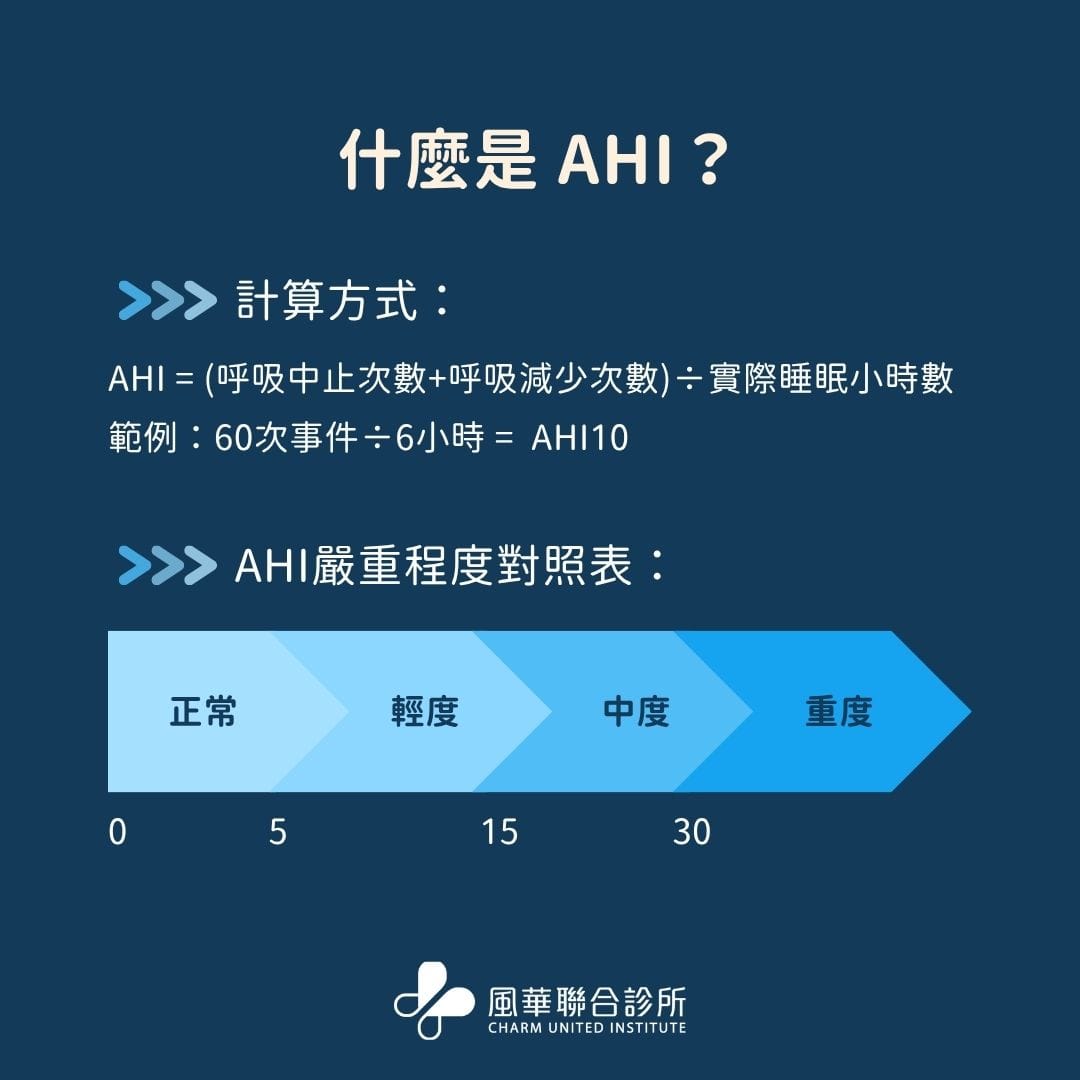
The following is a classification of AHI values:
| AHI value range | Severity | illustrate |
| <5 | normal | No special treatment is required, but if you have symptoms, it is recommended to consult a doctor |
| 5–15 | Mild | It is recommended to improve lifestyle habits and use oral appliances when necessary |
| 15–30 | Moderate | Consider using medical devices such as positive airway pressure (CPAP) and continue to follow up |
| >30 | Severe | Active treatment is recommended, and surgical intervention may be required |
If you find that your AHI value is high, it is recommended that you discuss it with your doctor as soon as possible and seek appropriate treatment options to reduce health risks.
Who needs further examination?
The following groups are recommended to undergo further sleep testing to assess whether they have sleep apnea:
- Frequent, loud, and irregular snoring
- Feeling extremely tired or sleepy during the day
- Apnea during sleep
- Headache or dry mouth upon waking in the morning
- Poor concentration and memory loss
- Mood swings, irritability, or depression
- Chronic diseases such as high blood pressure, heart disease, and diabetes
If you meet the above conditions, it is recommended that you discuss with your doctor as soon as possible and undergo relevant examinations to ensure your health.
What are the methods for detecting sleep apnea?
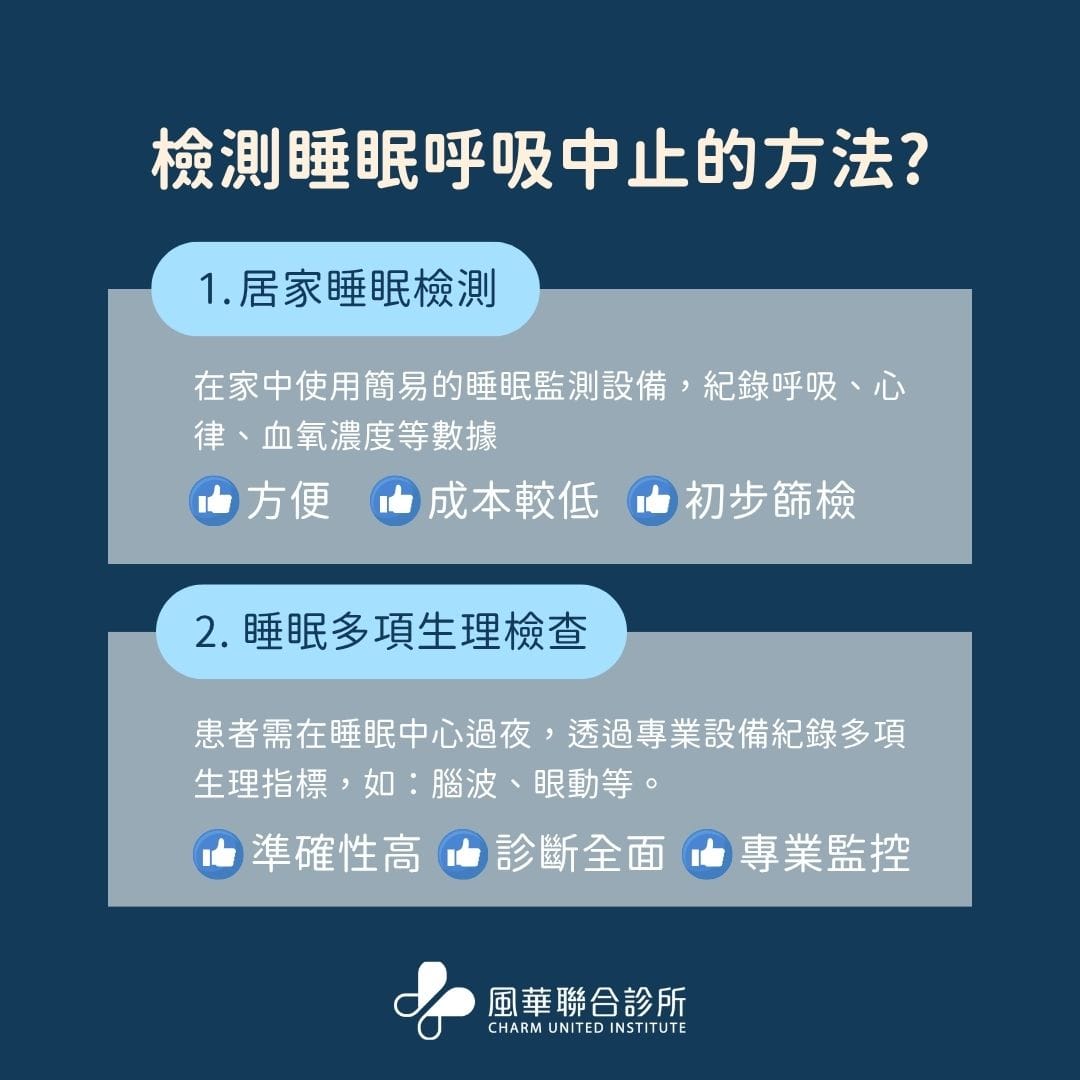
Sleep apnea testIt is mainly divided into home sleep testing and multiple physiological tests (PSG) in the sleep center.
Choosing the appropriate test method can help to accurately diagnose and develop an effective treatment plan.
Home sleep monitoring
Home sleep monitoring is a convenient preliminary screening method. Patients can use simple sleep monitoring equipment at home to record data such as breathing, heart rate, and blood oxygen concentration during sleep.
Advantages include:
- convenient: Perform in a familiar environment to reduce disturbance to sleep
- Lower cost: Compared with sleep center examinations, the cost is more affordable
- Initial screening:Can quickly determine whether there is a risk of sleep apnea
However, the accuracy of home testing may not be as good as the multiple physiological tests performed at a sleep center. If the results show abnormalities, further professional examination is recommended.
Sleep multiple physiological examination
Sleep multiple physiological examinationPolysomnography (PSG) is the gold standard for diagnosing sleep apnea.
Patients need to stay overnight in a sleep center, and professional equipment will be used to record multiple physiological indicators such as brain waves, eye movements, electromyography, electrocardiogram, respiratory airflow, chest and abdominal movements, and blood oxygen concentration.
Advantages include:
- High accuracy: Can comprehensively evaluate sleep quality and breathing conditions
- Comprehensive diagnosis: Different types of sleep disorders can be identified
- Professional monitoring: Professional personnel monitor in real time to ensure data accuracy
This checkSuitable for those with obvious symptomsorPatients with abnormal home test resultsIt can provide more in-depth diagnostic information.
What are the effects of sleep apnea?
If a high index of sleep apnea is ignored for a long time, it will not only cause trouble in daytime life, but may also have a profound impact on physical health.
According to clinical studies, moderate to severe sleep apnea is highly correlated with a variety of chronic diseases and is a health warning that cannot be ignored.
Chronic harm to the body
Sleep apnea can cause repeated drops in blood oxygen levels, which can lead to a variety of chronic diseases:
- hypertension: Repeated hypoxia at night stimulates the sympathetic nerves and causes high blood pressure.
- heart disease: Long-term lack of oxygen will increase the burden on the heart and increase the risk of heart disease.
- Stroke: Fluctuations in blood oxygen may lead to hardening of blood vessels and increase the risk of stroke.
- diabetes: Sleep disorders can affect the secretion and action of insulin and increase the risk of diabetes.
Therefore, early diagnosis and treatment of sleep apnea can help prevent the occurrence of the above chronic diseases.
Impact on quality of life
In addition to chronic physical harm, sleep apnea can seriously affect the quality of daily life.
Due to the inability to obtain deep sleep at night, many patients experienceDaytime sleepiness,decreased attention,worsening memoryWith low moodSome people even mistakenly think they are suffering from depression or attention deficit hyperactivity disorder.
It is a potential source of safety risk for students, office workers, and drivers, and their daily performance and interpersonal interactions may also be affected.
How to improve sleep apnea index?
For sleep apnea, the treatment goal is to reduce the number of breathing interruptions at night, improve blood oxygen conditions, and improve sleep quality.
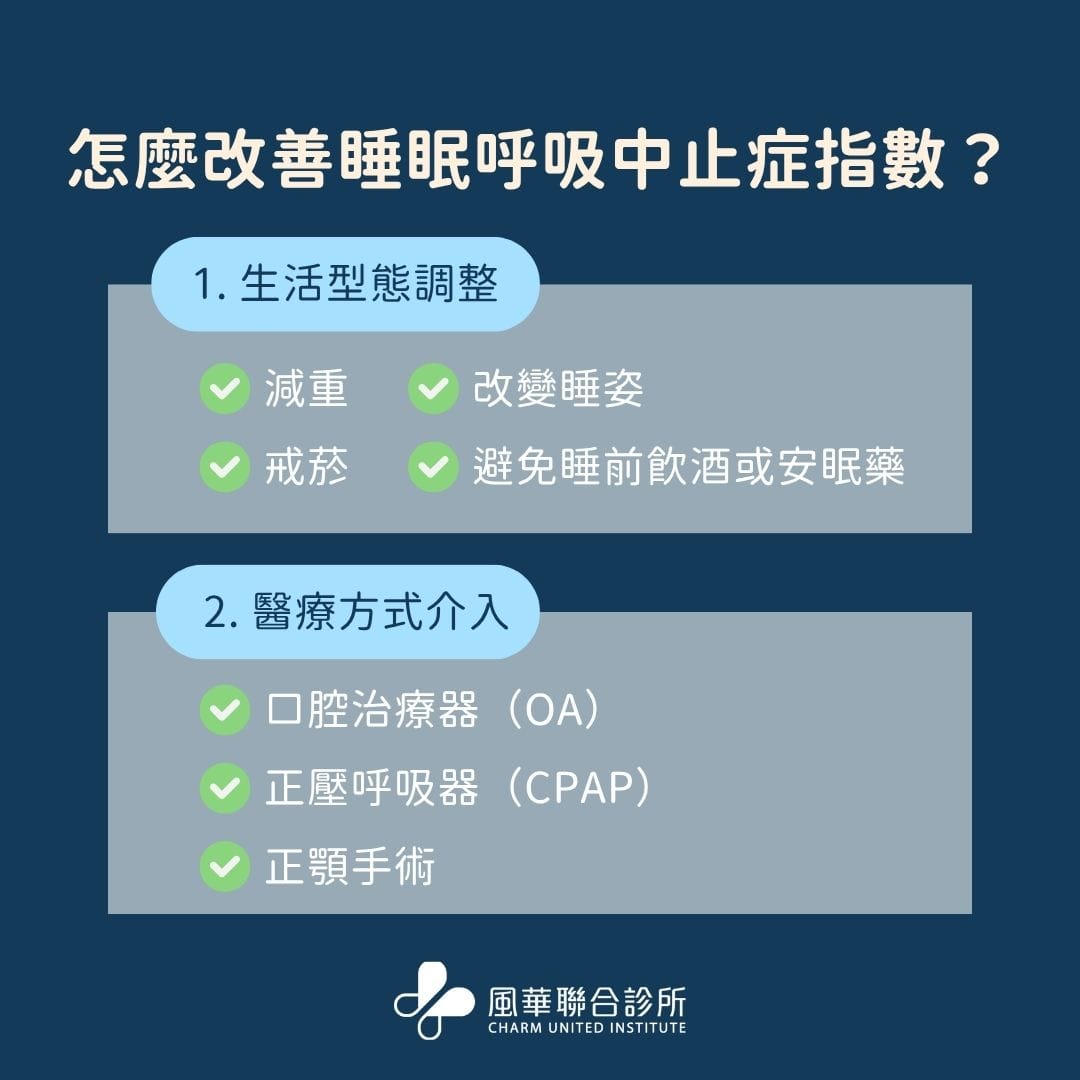
Improvement can start with changing daily habits. If the condition is more serious, further medical intervention is required.
Lifestyle Adjustment
Many patients with mild to moderate sleep apnea can significantly improve their sleep breathing index by changing their lifestyle habits.
- lose weight:The fat accumulation in the throat of obese people will compress the airway. By controlling weight, the number of respiratory arrests can be effectively reduced.
- Quitting smoking: Smoking can cause swelling of the airway mucosa and aggravate obstruction.
- Change your sleeping position: Sleeping on your back can easily cause the tongue to drop, so it is recommended to change toSide SleepingTo keep the airway open.
- Avoid drinking alcohol or taking sleeping pills before bed: These substances relax the throat muscles and aggravate the collapse of the airway.
Although these habit adjustments are simple, they are the first step to improving breathing quality, especially for early-stage patients or those who are not suitable for immediate device treatment.
Medical intervention
If lifestyle adjustments have limited effects, it is recommended to seek further professional medical assistance. Common methods include:
- Oral Appliances (OA): Custom-made by dentists, it can move the lower jaw forward when worn to increase airway space, suitable for mild to moderate patients.
- Positive airway pressure (CPAP): It is the mainstream treatment method for patients with moderate to severe conditions, which continuously provides positive pressure air through a machine to maintain airway patency.
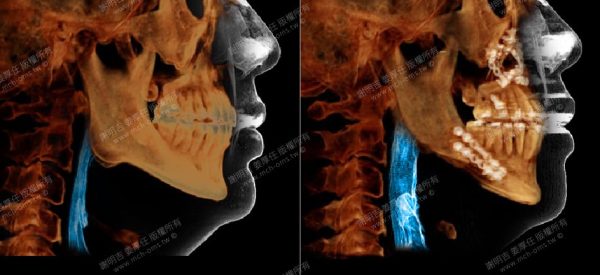
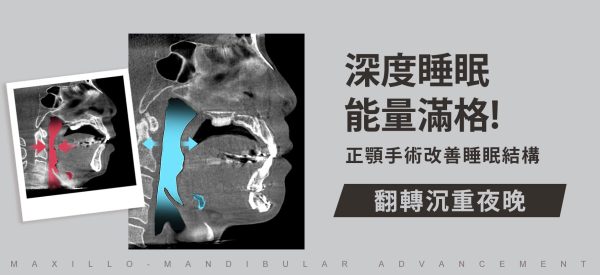
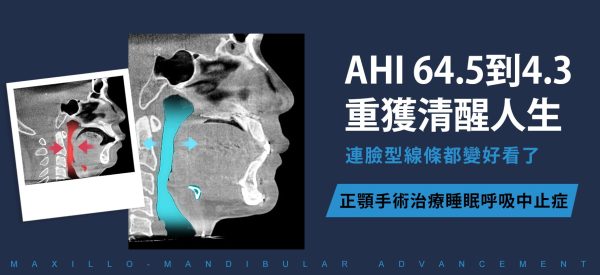
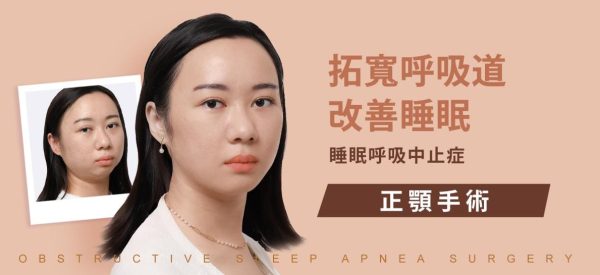
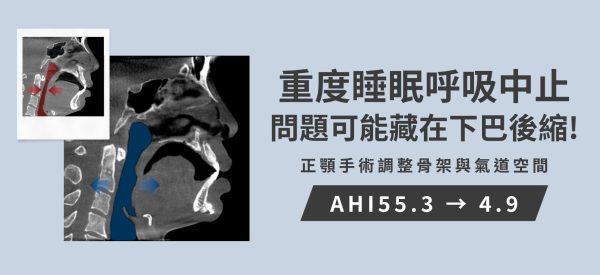
- Orthognathic surgery: For patients with moderate to severe disease and those with structural problems (such as retruded jaw) that cause airway narrowing, surgery to fundamentally improve the airway space is one of the few options that can treat the underlying cause.
The above treatment methods require professional evaluation to select the appropriate strategy for each case. It is recommended to discuss with the oral surgery and otolaryngology specialist teams to formulate the most appropriate treatment plan.
The oral surgeon's role in treating respiratory arrest
Many patients are not fully aware of the oral surgeon’s role in sleep apnea treatment.
In fact, for problems of structural airway stenosis, the intervention of an oral surgeon is often critical.
Association between jaw retraction and apnea
According to clinical observations,Underdeveloped or retruded jawpatients,The root of the tongue will move back relatively, which may block the airway at night., one of the important causes of sleep apnea.
These patients often appear normal during the day, but through lateral cranial X-rays and 3D imaging analysis of the respiratory tract, abnormalities in the respiratory tract structure can be found.
Therefore, if you have been told that you have underdeveloped jaws, an abnormal bite, and are experiencing symptoms of apnea, it is recommended that you be evaluated by an experienced oral surgeon.
How does orthognathic surgery improve sleep quality?
For sleep apnea caused by structural abnormalities,Orthognathic surgeryIt is one of the effective fundamental treatments.
Common surgeries include:
-
Mandibular advancement surgery (MMA):
At the same time, the upper and lower jaws are moved forward to expand the upper airway, with a high success rate.
The study showed that approximately 901 patients with TP3T or above could achieve significant improvement. -
Hyoid bone suspension surgery: Improve the obstruction caused by tongue root prolapse, often combined with other surgeries.
Surgical evaluation should be combined withDiagnostic imaging, sleep study data and personal anatomical characteristics, it must be planned jointly by professional oral surgeons and the sleep team to ensure safety and effectiveness.
Common Questions and Answers about Sleep Apnea (FAQ)
What is the Sleep Apnea Index (AHI)?
The Apnea-Hypopnea Index (AHI) refers to the total number of sleep apnea and shallow breathing events per hour, used to determine whether sleep apnea is present and its severity.
What AHI level is considered normal?
An AHI of less than 5 is considered normal. An AHI of 5 or higher indicates abnormal breathing during sleep and requires further evaluation.
How is the severity of sleep apnea classified according to the AHI (Area Hemorrhage Hierarchy)?
- AHI 5–15: Mild
- AHI 15–30: Moderate
- AHI > 30: Severe, requiring active treatment and follow-up.
What are the health effects of respiratory arrest?
Repeated breathing interruptions can lead to decreased blood oxygen levels and fragmented sleep, which can have long-term effects on cardiovascular function and increase the risk of high blood pressure, heart disease, stroke, and metabolic abnormalities.
Is treatment always necessary when AHI is too high?
Treatment is strongly recommended for patients with moderate to severe symptoms; for mild cases, the decision should be made based on symptoms, weight, lifestyle, and physician assessment.
Can smartwatches and mobile apps measure AHI?
Wearable devices can only measure general sleep patterns and cannot provide accurate AHI data. Formal sleep testing (such as PSG or home sleep monitoring) is required to obtain accurate data.
Will sleep apnea resolve on its own?
It usually does not heal on its own, especially for patients with moderate to severe cases, and often requires medical intervention, such as CPAP positive pressure ventilator, oral device, weight management or surgery.
Does snoring always indicate sleep apnea?
Not necessarily. Snoring can be simply due to airflow vibrations, but if it is accompanied by waking up gasping for air, choking, daytime fatigue, or decreased concentration, then sleep apnea needs to be ruled out.
Is frequent waking at night or light sleep related to sleep apnea?
Possibly. Sleep apnea can cause sleep fragmentation, leading to frequent awakenings at night, vivid dreams, or shallow sleep.