

Frequently getting up to go to the bathroom at night leads to interrupted sleep and lack of energy during the day. Many people will first think of bladder problems or benign prostatic hyperplasia, but they are unable to find the clear cause.
In fact, these symptoms may stem from an often-overlooked sleep disorder:sleep apnea(Obstructive Sleep Apnea, OSA).
This is a disease in which respiratory obstruction causes repeated breathing pauses during sleep. It not only affects sleep quality, but may also disrupt the body's internal hormone balance and cause atypical symptoms such as frequent urination at night.
Taipei Fenghua Joint ClinicWe will provide you with an in-depth understanding of the relationship between sleep apnea and frequent urination from different perspectives, helping you to identify and diagnose it early and regain a restful night's sleep.
You thought it was a bladder problem? It's actually sleep apnea affecting urination!
Many patients suffer from long-term nocturnal frequent urination, often believing it to be caused by cystitis, benign prostatic hyperplasia (BPH) or aging.
In fact, when the bodyRepeated apnea during sleep, which will trigger a series of physiological reactions, thereby affecting the urination mechanism.Hidden "Atypical Signals" of Sleep Apnea.
What is sleep apnea?
Refers to the repeated collapse of the upper airway during sleep, resulting inShortness of breathThe condition may be caused by enlarged tonsils, deviated nasal septum, blocked nasal passages, etc.
Typical symptoms include memory loss, loud snoring, daytime sleepiness, dry mouth or headache in the morning. One of the key symptoms that is less noticed is:Frequent urination at night.
Why does respiratory arrest affect the urge to urinate?
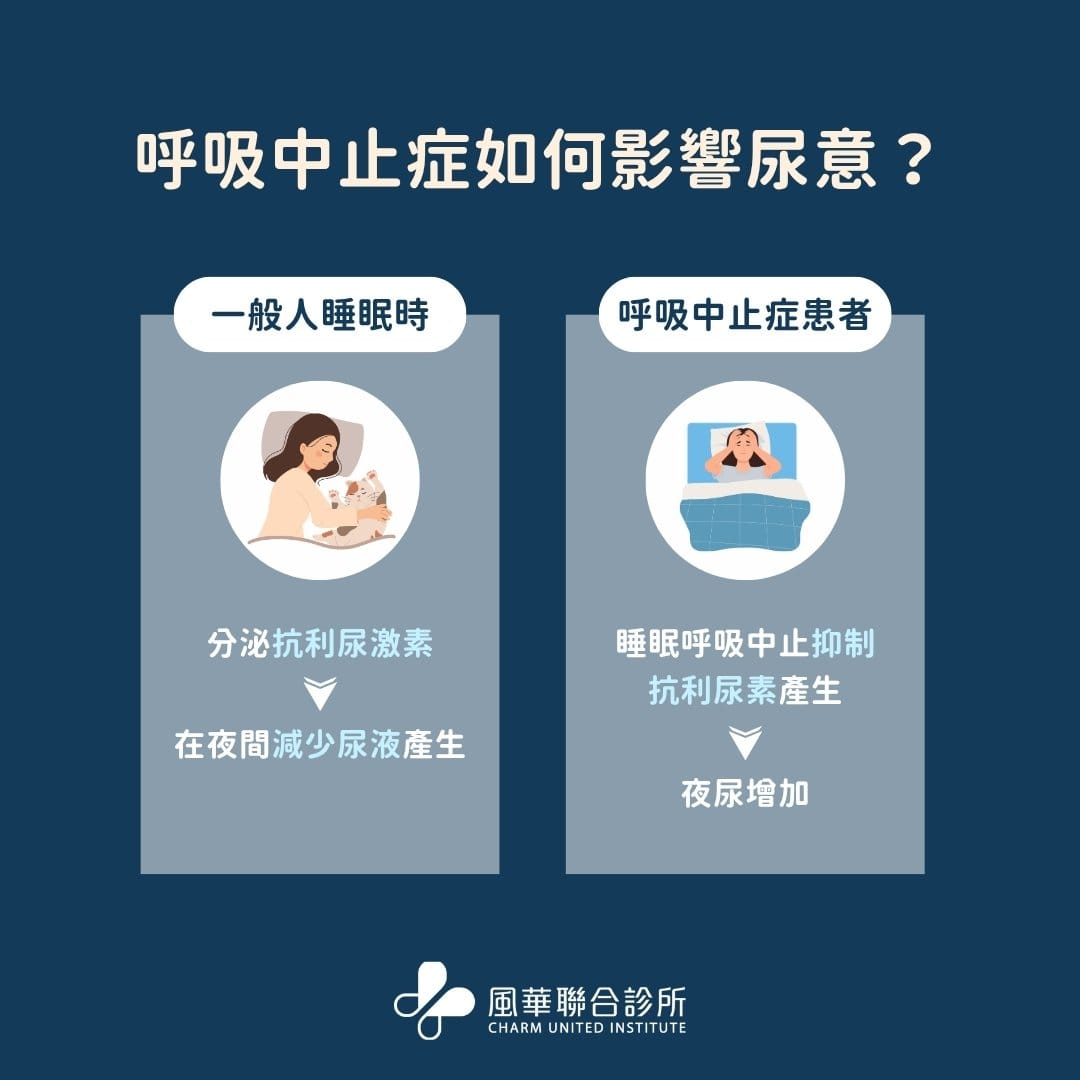
Interrupted breathing during sleep leads to repeated awakenings, which reduces sleep quality.Increased bladder sensitivity during light sleep, more easily awakened by trace amounts of urine.
At the same time, hormones promote normal sleepAntidiuretic hormone (ADH)Secretion, helping the body reduce urine production at night, while sleep apnea inhibits ADH secretion, leading to increased nocturia.
Respiratory arrest andAntidiuretic hormonerelationship
In sleep apnea, changes in chest pressure stimulate the heart to releaseAtrial natriuretic peptide (ANP), prompting the kidneys to excrete more water. In addition, the antidiuretic hormone (ADH), which normally inhibits urine production, decreases due to poor sleep quality, leading to an increase in nocturia.
Common misdiagnoses: Prostate enlargement? Cystitis?
Many patients mistakenly believe that nocturia is a simple urinary problem. After undergoing multiple tests or taking medications with little effect, they are finally diagnosed with sleep apnea by an otolaryngologist or sleep center, thus delaying treatment.
If youFrequent urination at night accompanied by snoring, daytime drowsiness, and other symptoms,Consider a sleep study, to avoid missing the real cause of the disease.
Sleep apnea high-risk groups
Many people still hold the misconception that sleep apnea only affects obese people. In reality, it's a common condition across all ages and genders. The following groups require special attention:
- What is the sleep apnea index? A step-by-step guide to understanding the health warnings behind the sleep apnea index
- Case sharing:Severe sleep apnea: Decided to undergo MMA orthognathic surgery for the sake of the child
- Case sharing:I had tooth extraction and correction, and then I had orthognathic surgery because of respiratory arrest.
It cannot be ignored that even if the body shape is normal, structural problems may lead to airway obstruction, which in turn causes sleep apnea and frequent urination.
If you belong to the above groups, you should consult a specialist to assess whether further examination is needed.
How to confirm sleep apnea? Diagnosis and examination at a glance
If you suspect you may have sleep apnea, the most important step is to get properly evaluated. Common evaluation methods include:
Polysomnography (PSG)
It is the most accurate diagnostic tool currently available. It monitors brain waves, eye movements, muscle tension, respiratory airflow, blood oxygen and other information at night and calculatesApnea Hi Index (AHI).
The examination process requires an overnight stay in a sleep laboratory and monitoring by professionals.
Home sleep monitoring
Simple wearable devices, such as blood oxygen saturation monitors, are suitable for initial screening or for those with significant symptoms. While convenient, they may not detect brain waves, so PSG is still recommended for diagnosis.
If the result shows AHI ≥ 5, it means that respiratory arrest may occur and follow-up treatment should be initiated according to the doctor's advice.
Treating sleep apnea can naturally reduce frequent urination!
Through relevant treatments, in addition to improving snoring and breathing quality,Frequent urination at night can often be significantly relieved, the following are the main treatment options:
Non-invasive treatment: CPAP (Continuous Positive Airway Pressure)
Wearable devices continuously deliver airflow during sleep, preventing airway collapse and maintaining airway patency. Currently, it's the most common and effective treatment, stabilizing breathing, improving blood oxygen and hormone levels, and significantly reducing nocturnal urination.
Surgical treatment: Improve structural problems
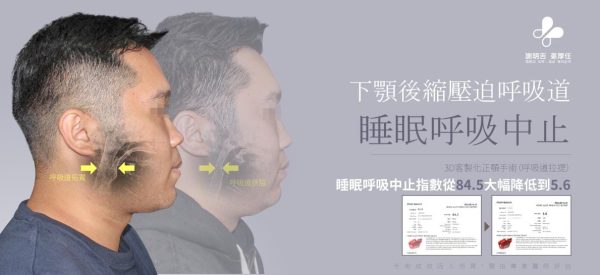
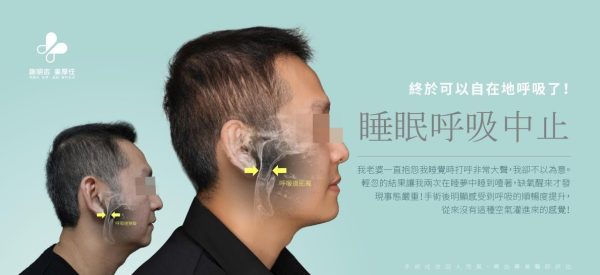
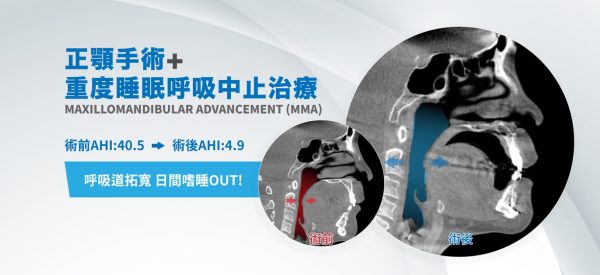
For patients with deviated nasal septum, enlarged nasal concha, retracted mandible, etc., they may consider undergoing nasal septum correction, mandibular surgery or orthognathic surgery to fundamentally improve the airway structure and reduce the occurrence of obstruction.
Benefits of improved sleep
Sleep restores the deep cycle, normalizing the secretion of antidiuretic hormone and naturally regulating the amount of urine at night.Many patients experience significant improvement in frequent urination symptoms within a week of starting treatment.
If you suffer from frequent urination for a long time, it is recommended that you check early to see if there is a potential sleep problem. Early treatment can prevent it from worsening into high blood pressure or heart disease.
Frequent urination is not necessarily a urological problem, it may be a warning sign from sleep.
Sleep apnea is not just about snoring. It involves systemic physiological regulation and is closely related to nocturnal frequent urination, metabolic syndrome, hypertension, and arrhythmia.
Many people ignore theseAtypical manifestations"For example, they regard frequent urination at night as a result of aging or urinary problems, but ignore the impact of abnormal sleep on the physiological system. They don't realize the problem until their quality of life is greatly affected.
Through correct diagnosis and treatment targeting the cause, in addition to improving sleep quality, it can also indirectly improve the functions of the urinary, circulatory and endocrine systems.Frequent urination is not necessarily a urology problem, it may be a warning sign from sleep.
ifDo you or your family members have frequent urination at night, snoring with a suffocating feeling, daytime fatigue or sleepiness accompanied by a receding jaw?Chin retrusionetc., welcome to contactTaipei Fenghua Joint Clinic, we will provide the most appropriate examination and treatment recommendations to help you regain healthy sleep and a stable life.
Make an appointment today to learn more about sleep apnea treatment options!
Further reading: