

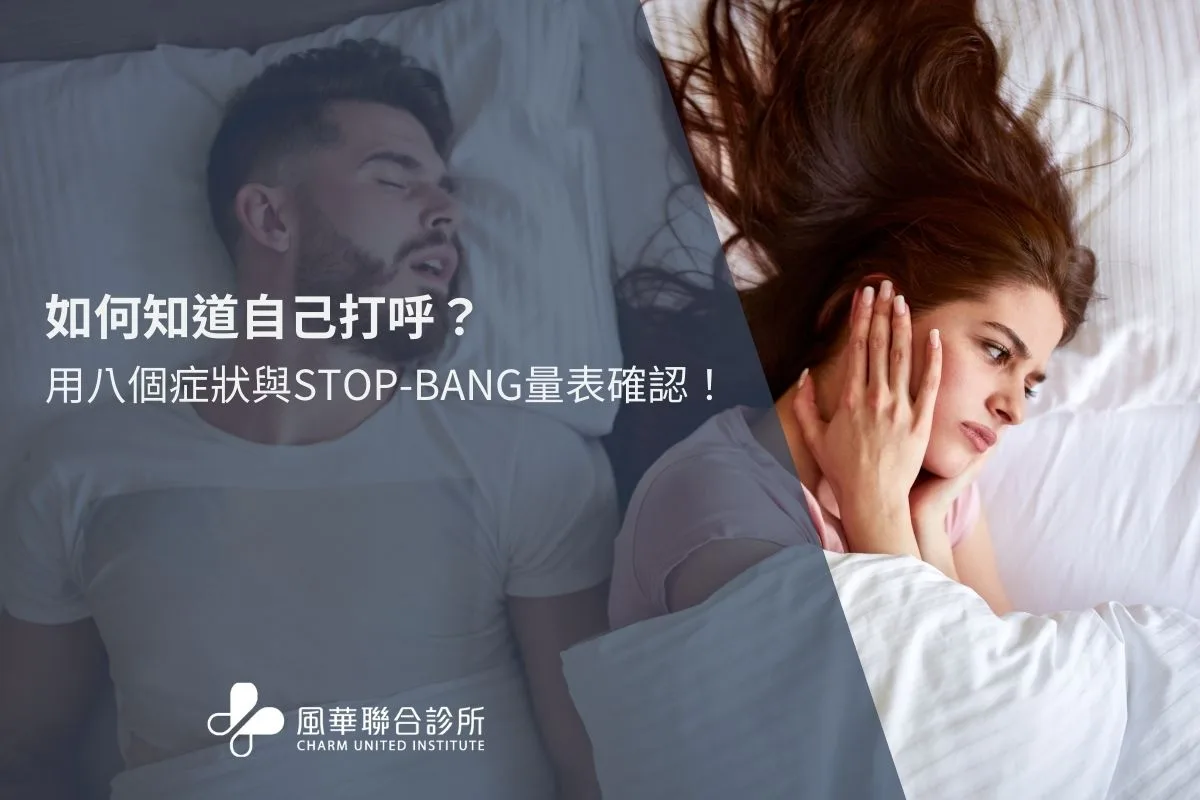
Suspect you have a snoring problem?3-minute quick self-test!
Snoring is not just noise; it's a warning sign of poor health. This article provides you with information on this topic. How do I know if I snore? Five methods include using a mobile phone recording app, observing daytime sleepiness symptoms, and determining whether they are accompanied by other symptoms. sleep apnea Key signs help you accurately understand your sleep quality.
Taipei Sleep Center Recommendation - Feng Hua United Clinic
Snoring is often not discovered by oneself first, but by the person next to you, family members, or even roommates who say:You snored very loudly last night!"I realized it later.
Many people think that snoring is just a small matter, but in fact, it may beSleep apnea (OSA)If ignored for a long time, it may cause chronic hypoxia, daytime fatigue, and even increase the health risks of cardiovascular diseases.
How to tell if you snore? 4 methods to help you determine.

Snoring often occurs during deep sleep, and people are unable to actively perceive the sounds they make or whether there are any breathing interruptions. This is one of the reasons why many snorers are only diagnosed with sleep apnea years later. Here are a few simple methods for detecting sleep apnea in daily life:
Method 1: Observe whether there are symptoms of daytime sleepiness.
If you frequently experience the following symptoms, you should suspect that snoring may be disrupting your sleep quality:
- Daytime sleepiness and lack of energy
- Difficulty concentrating and memory loss
- Feeling drowsy or sleepy while watching TV, driving, or in meetings
- Irritability, personality changes, and anxiety
Method 2: Ask your spouse (partner or family member).
Because one cannot perceive it,Please have your spouse or family members observe.:
- Ask your bedmate, roommate or family member to help observe if there is anySnoring → Stop breathing → Inhale suddenlyThe cycle is alsoOSATypical characteristics
Method 3: Phone recording and APP detection
- Common recording apps such asSnoreLab"、"Do I Snore" and other apps can automatically record the frequency and volume of snoring
Method 4: Observe physical symptoms after waking up
The followingThe feeling of waking up in the morning,This may be a warning sign of poor sleep quality:
- Dry, sore throat upon waking
- dizziness or headache
- Sleeping for a long time but not getting enough sleep, feeling tired all the time
- Frequent waking up in the middle of the night or having frequent dreams
| feature | Snoring | Sleep apnea (OSA) |
|---|---|---|
| sound frequency | Stable and even rhythm | The sound is irregular, sometimes stopping abruptly before bursting into loud snoring. |
| Daytime energy | Normal, no obvious impact. | Severe drowsiness and poor concentration |
| Feelings after waking up | energetic | Dry mouth and throat, headache upon waking |
Method 5: Arrange for a professional sleep study (PSG)
If you discover through self-observation or app recording that you have regular snoring or breathing interruptions, the most scientific and accurate solution is to...Professional sleep physiology examination (Polysomnography, PSG)This is currently the "gold standard" in the medical field for diagnosing sleep disorders.
What tests are included in a professional sleep study (PSG)?
This test usually requires an overnight stay at a sleep center, where professional equipment monitors your physiological parameters throughout the process, including:
- AHI (Aspiring Events Index): Recording the number of apneas or hypopneas per hour is a way to determine... sleep apnea The key to the severity.
- Changes in blood oxygen concentration: Monitor whether snoring causes blood oxygen levels to drop below normal during sleep.
- Sleep structure analysis: Observe the ratio of your deep sleep to light sleep to understand whether snoring leads to sleep fragmentation.
- Electrocardiogram and airflow through the mouth and nose: Exclude other cardiovascular or respiratory problems that may affect sleep.
Sleep apnea STOP-BANG self-assessment scale
If you suspect you may be snoring or have sleep apnea (OSA),STOP-BANG ScaleIt is a simple, practical and globally used initial screening tool.Use eight "yes or no" questions to quickly understand whether you are in a high-risk group, so you can discuss follow-up examination needs with your doctor.
Introduction to the STOP-BANG Scale
STOP-BANG is composed of eight assessment items represented by letters in English, which are divided into two major aspects:
- Based on symptoms: STOP(Snoring, Tiredness, Observed apnea, Pressure)
- According to personal conditions: BANG(BMI, Age, Neck circumference, Gender)
How to use the STOP-BANG self-assessment scale
- Answer each question"Yes" gets 1 point, "No" gets 0 points
- Measure your neck circumference (around the Adam's apple)
- BMI can be obtained through the online height and weight calculator (BMI > 35 is considered high risk)
- If you have a history of chronic disease (such as hypertension), please fill in the information truthfully.
| project | Question content |
| Snore | Has anyone ever told you that you snore when you sleep? |
| Tired | Do you often feel tired, drowsy, or sleepy during the day? |
| Observed apnea | Has anyone else seen you apnea while sleeping? |
| Pressure | Do you have high blood pressure or are you taking blood pressure medication? |
| BMI | Is your BMI greater than 35? |
| Age | Are you older than 50 years old? |
| Neck | Is your neck circumference larger than 40 cm (male) / 36 cm (female)? |
| Gender | Are you male? |
How to read the score results? (Risk grading)
| Total score | Evaluation results | significance |
| 0-2 points | Low risk | The probability of OSA is low, but it does not mean that it is completely non-existent. |
| 3-4 points | Medium risk | It is recommended to pay attention to other symptoms and seek medical assistance in time |
| 5 points or more | High risk | The patient is likely to have moderate or severe OSA and further examination (such as polysomnography) is recommended. |
Snoring may be a sign of sleep apnea, so don't ignore the small noise.
Many people see snoring as a sign of sound sleep or fatigue from work. However, medically speaking, snoring...Snoring is actually a warning sign of partial obstruction of the upper airwayIf accompanied by apnea, it may develop intoObstructive sleep apnea (OSA)It is a serious chronic disease. It not only affects sleep quality, but may also harm heart and brain health.
The link between snoring and sleep apnea
| snore | Airway constriction causes sound vibrations, and the volume may be fixed |
| OSA | Airway collapse leading to respiratory arrest,"Snoring → Silence → Panting"Cycle |
- snore: The sound produced by the vibration of throat tissue when air flows through a narrow respiratory tract, and the volume may be fixed.
- Sleep apnea (OSA): Complete or partial collapse of the airway causes respiratory arrest for several seconds to tens of seconds, and this occurs dozens to hundreds of times every night, often in a cycle of "snoring → silence → sudden gasping for breath".
Long-term untreated OSA can lead toIntermittent hypoxia, causing the body to be repeatedly in a state of "hypoxia + stress", seriously affecting health.
The effects of chronic hypoxia on the body
Long-term untreated OSA can lead to chronic intermittent hypoxia and cause the following problems:
- hypertension:Hypoxia stimulates sympathetic nerve activation and increases blood pressure
- Arrhythmia, myocardial disease: Repeated hypoxia at night increases the workload on the heart
- Increased risk of stroke and myocardial infarction:Vascular sclerosis and increased risk of thrombosis
- Poorly controlled diabetes: Affects insulin sensitivity
- Brain function degeneration: Memory loss, poor concentration, depression
according to"American Academy of Sleep Medicine (AASM)》Information,The mortality and cardiovascular disease risks of patients with moderate to severe OSA are significantly higher than those of the general population..
Who are the high-risk groups?
Not everyone snores, but the following groups are at a significantly higher risk of developing OSA:
- Being overweight (BMI > 27), especially those with obvious fat accumulation in the neck
- Men are higher than women(especially those over 40 years old)
- Neck circumference ≥ 40 cm (male) / 36 cm (female)
- Nasal congestion, deviated nasal septum, or allergic constitution
- Habitual drinkers (excessive muscle relaxation at night)
- Those with a family history of OSA
Four ways to improve snoring
After discovering that you have a snoring problem, in addition to further checking whether it is sleep apnea,Improve daily living habits and sleeping postureIt is also the first step to reduce snoring. These methods cannot completely replace treatment, butFor people with mild symptoms or those who have not yet developed OSA, which has a quite significant relief effect.
Adjust your sleeping position from back to side
When sleeping on your back, the root of your tongue tends to fall back, compressing the airway, which is the most common postural factor causing snoring.
- Side SleepingCan effectively reduce the chance of tongue root blocking the airway
- You can use a "side sleeping anti-snoring pillow" or "back pillow method" to help maintain your posture
Losing weight and quitting smoking can effectively reduce the risk of snoring
- Weight loss of 5-10 lbs/3T, the fat pressure on the neck is significantly reduced, which helps to expand the airway and improve the symptoms of sleep apnea
- Smoking can cause chronic inflammation and edema of the throat mucosa, exacerbating airway obstruction.
- It is recommended to combine nutritionist consultation, smoking cessation clinic or health management course
Nasal allergies or nasal congestion may also cause snoring
- Nasal congestion will force people to breathe through their mouths, increasing the vibration of the throat
- Nasal allergies, deviated nasal septum, nasal polypsCommon causes of snoring
- You can go to the ENT department for evaluation and use medication or surgery to improve if necessary
Medical examinations provide peace of mind (the Sleep Center can arrange a full range of examinations)
- The STOP-BANG scale is a preliminary screening tool. If OSA is suspected, further procedures are recommended:Polysomnography (PSG), home sleep monitoring(High-risk groups can be quickly identified)
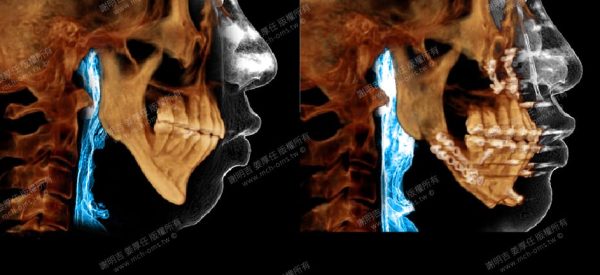
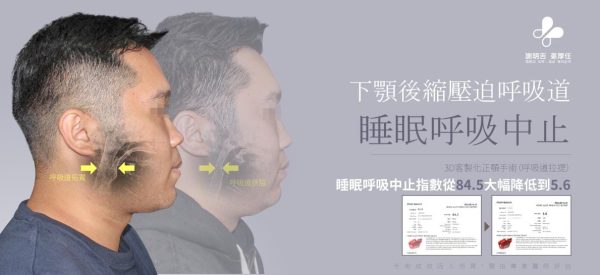
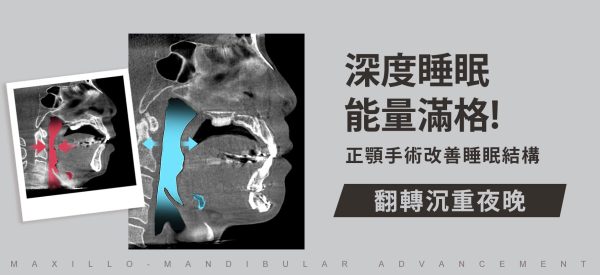
- After the examination, the doctor will recommend wearing a mask based on the severity of the condition.CPAP (Constituent Positive Airway Pressure), oral appliances, or other personalized treatment options (such as orthognathic surgery)
Fenghua Joint Clinic reminds you: Even if your snoring isn't loud, it could be your body's loudest warning for help. Early detection and timely treatment will help you and your family sleep peacefully.
Frequently Asked Questions: How do I know if I snore?
Q1: Do I always have to see a doctor if I snore?
A1: If snoring is accompanied by symptoms such as "breathing interruption, excessive daytime sleepiness, and high blood pressure", it is strongly recommended to consult a specialist to assess whether there is a risk of sleep apnea.
Q2: How accurate is the snoring detection function of mobile apps?
A2: Apps can be used as a preliminary monitoring and recording reference, but they cannot replace formal sleep physiology tests (PSG). If there are any doubts, clinical medical tests should be the primary method.
Don’t ignore the sound of snoring. Protecting sleep is protecting health.
Snoring is no joke, nor is it a natural consequence of aging or fatigue. Instead, it can be the beginning of a health risk. It might besleep apneaEarly warning signs of diseases such as leukemia. ThroughObserve your own symptoms and fill out the STOP-BANG scaleBy taking the right lifestyle adjustments and undergoing professional medical examinations, you can significantly reduce the health risks of snoring and create a healthier and more restful night for yourself.
if youChronic snoring, poor sleep quality, or concerns about the risk of sleep apnea,Fenghua Joint Clinic Professional TeamWe will provide you with the most professional assessment and care to help you regain high-quality sleep and a healthy life.
Further reading: