


Snoring loudly and waking up in the middle of the night may not only be a simple sleep problem, but also may besleep apneawarning.
Many patients use snoring respirators such as CPAP (continuous positive airway pressure) or APAP (automatic airway pressure regulating device) to improve nocturnal airway obstruction, but side effects such as dry mouth, nasal congestion, noise interference and wearing discomfort often occur after wearing them, making it difficult for people to use them continuously.
In fact, in addition toRespiratorIn addition, there are other non-mechanical auxiliary tools and structural treatment methods that can effectively improve snoring and apnea symptoms.
In this articleFenghua United ClinicWe will introduce you to the common types of anti-snoring respirators, common problems in their use and corresponding solutions, and introduce alternative treatment options such as mandibular advancement devices and oral surgery to help you regain a deep, peaceful and silent sleep.
What is the connection between snoring and sleep apnea?
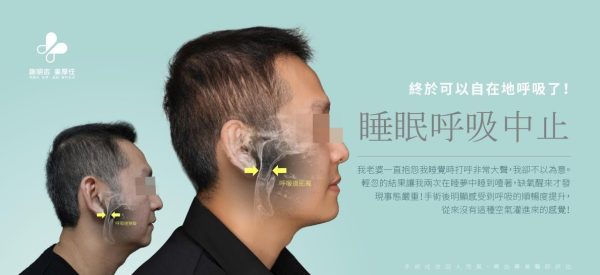
snoreIt is a common phenomenon for many people during sleep, but if it is accompanied by breathing pause, it may be a sign of "sleep apnea".
This symptom is mainly caused by upper airway obstruction or muscle relaxation, which leads to repeated breathing cessation during sleep, affecting the body's oxygen supply and increasing the risk of cardiovascular disease.
If you or your partner experiences loud snoring, respiratory arrest, daytime fatigue, etc. during sleep, it is recommended to see a doctor as soon as possible.
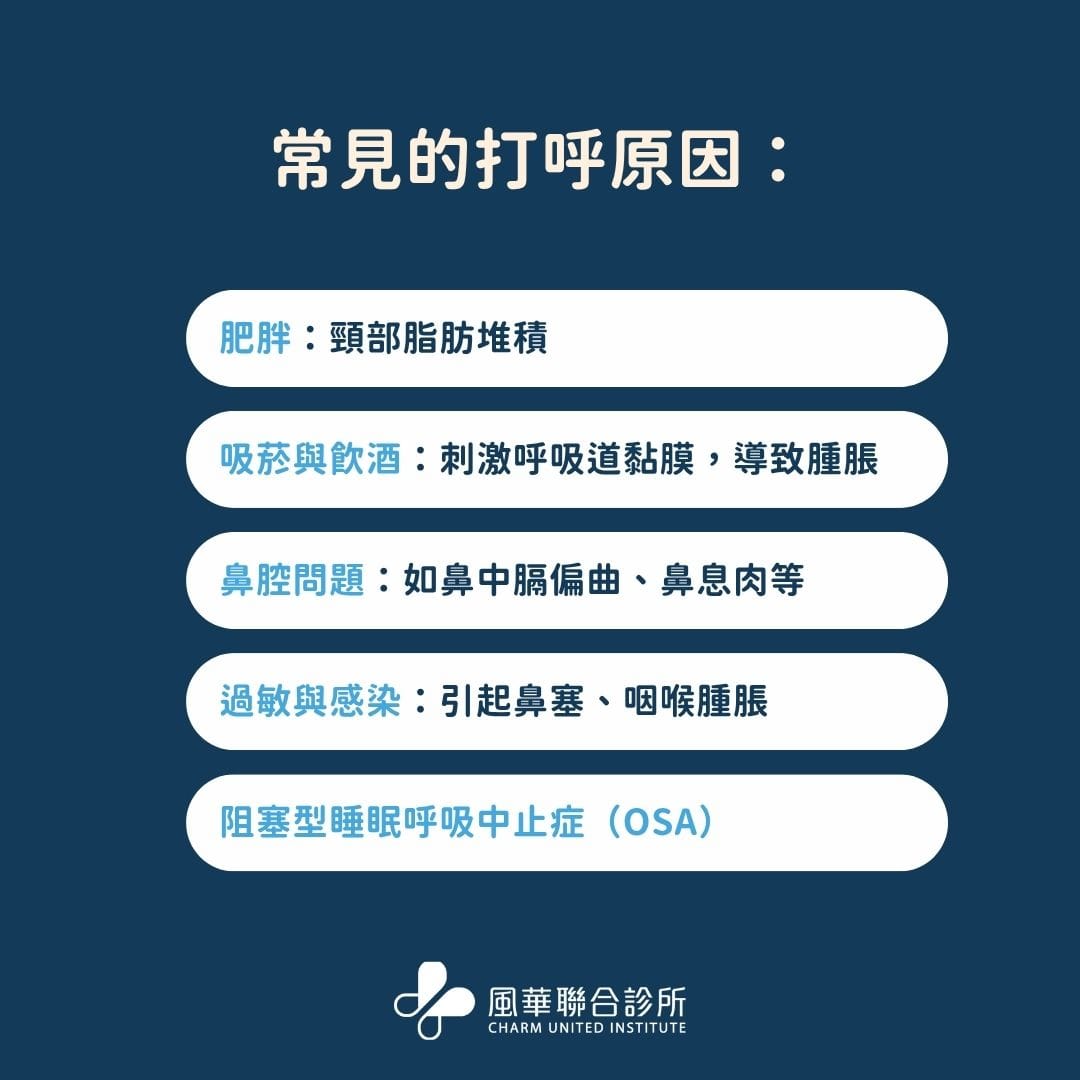
Common causes of snoring:
- obesity: Fat accumulation in the neck compresses the airway.
- Smoking and drinking: Irritates the respiratory mucosa, causing swelling.
- Nasal problems: Such as deviated nasal septum, nasal polyps, etc.
- Allergies and infections: Causes nasal congestion and throat swelling.
- Obstructive sleep apnea (OSA): Repeated breathing pauses during sleep.
Should we pay attention to snoring without respiratory arrest?
Even if snoring is not accompanied by respiratory arrest,It may also be a warning sign of upper airway constriction..
Long-term snoring may lead to poor sleep quality and increase daytime fatigue, inattention and other problems.
also,Continuous snoring may develop into sleep apnea, further increasing health risks.
Therefore, it is recommended that people with the habit of snoring have regular checks to detect potential problems early.
What is a snoring respirator?
A snoring respirator is aTreating sleep apneadevice, throughProvide continuous positive air pressure to keep the upper airway open, prevent airway collapse during sleep and reduce snoring and apnea.
Common snoring respirators include CPAP (continuous positive airway pressure), APAP (automatic airway pressure regulating respirator), etc.
Choosing a suitable respirator requires consideration of personal symptoms, comfort and usage habits. It is recommended to consult a professional physician for evaluation.
Common Types of Snoring Respirators
- CPAP (Continuous Positive Airway Pressure): Provides fixed pressure airflow, suitable for most sleep apnea patients.
- APAP (Automatic Pressure-Regulating Airway Pressure): Automatically adjust airflow pressure according to the patient's breathing conditions to improve comfort.
- BiPAP (Biphasic Positive Airway Pressure): Provides different pressures for inspiration and expiration, suitable for patients who need higher pressure support.
- Two-way air valve device: It is small in size and suitable for mild patients or those who are not suitable for traditional respirators.
What do you think about the snoring respirator ptt discussion?
On forums such as PTT, many users shared their experiences of using snoring respirators.
Common advantages includeImprove sleep quality and reduce daytime fatigueetc.; the disadvantages areEquipment noise, uncomfortable wearingwait.
Some users recommend choosing the right type of mask for them and cleaning the device regularly to improve comfort.
How do I know if I need a respirator?
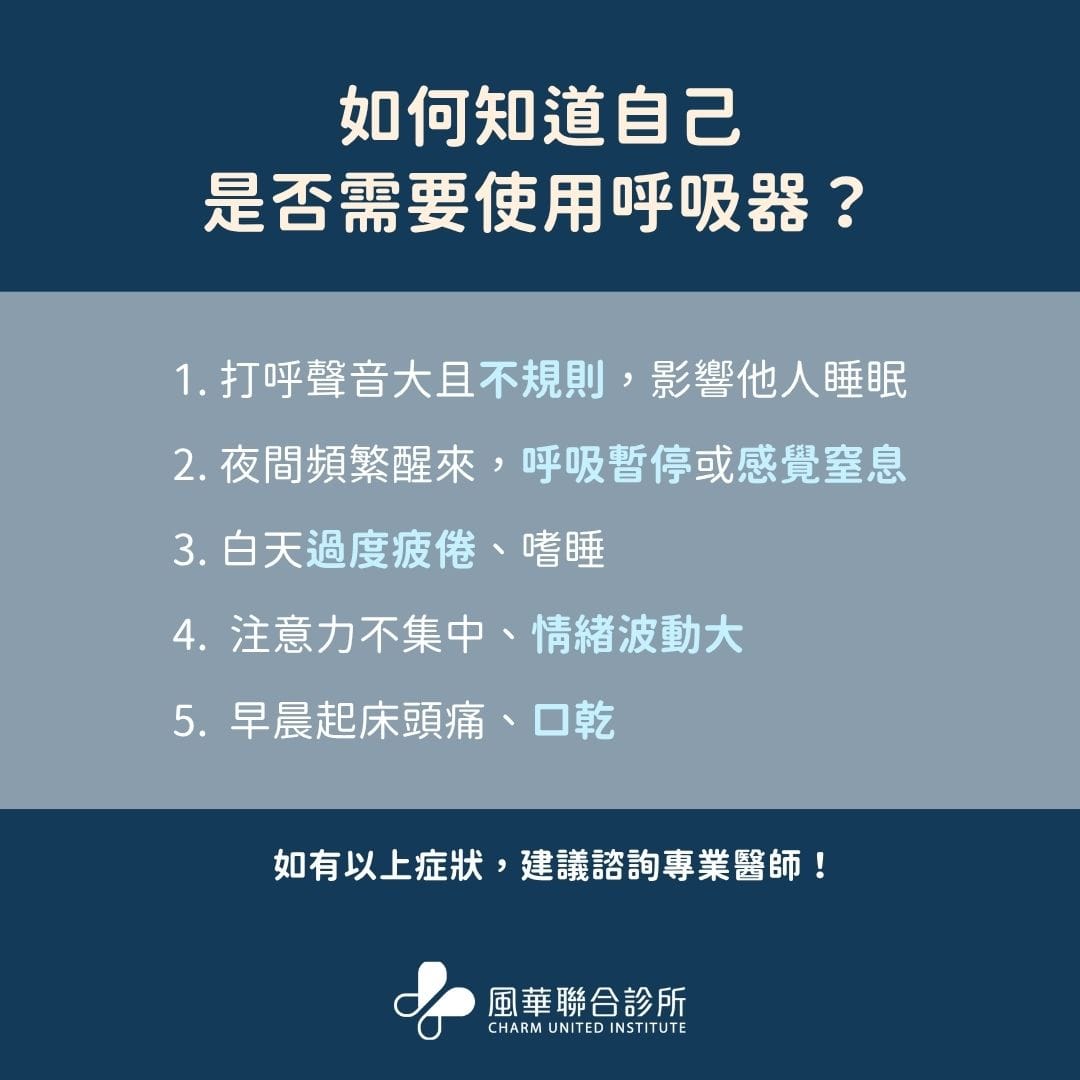
If you experience the following symptoms during sleep, it is recommended that you consult a doctor to assess whether you need to use a ventilator:
- Snoring loudly disturbs others' sleep.
- Frequent waking during the night with a feeling of suffocation.
- Excessive tiredness and sleepiness during the day.
- Poor concentration and memory loss.
- I wake up in the morning with headache and dry mouth.
Common symptoms and self-diagnosis indicators
The following is a self-test whether it is possibleIndicators of sleep apnea:
- Snoring is loud and irregular.
- Apnea during sleep.
- Dozing off easily during the day, especially during sedentary activities.
- Mood swings, irritability, or depression.
- Decreased sexual function.
How to diagnose sleep apnea
- Polysomnography (PSG): It is carried out in a sleep center to monitor brain waves, heartbeat, breathing and other data.
- Home sleep monitoring: Use a simple device to assess sleep quality and breathing conditions at home.
Through the above examinations, doctors can determine whether you have sleep apnea and provide appropriate treatment recommendations.
How effective is a ventilator for sleep apnea?
Using a ventilator to treat sleep apnea has been shown to be effective in improving symptoms.
After using it, patients usually feel positive changes such as improved sleep quality and better daytime energy.
In addition, long-term use of a respirator can reduce the risk of chronic diseases such as high blood pressure and heart disease.
Improve sleep quality and quality of life
After using a ventilator, patients often report:
- Fall asleep faster and wake up less often during the night.
- You will be full of energy during the day and your work efficiency will be improved.
- Stabilize emotions and reduce anxiety and depression.
- Partners also reported improved sleep quality.
Reduce the risk of chronic diseases
Long-term use of a ventilator can effectively reduce the risk of the following diseases:
- hypertension: Improve nighttime hypoxia and stabilize blood pressure.
- heart disease: Reduce the burden on the heart and reduce the risk of arrhythmia.
- Stroke: Improve brain oxygen supply and reduce the risk of stroke.
- diabetes: Improve insulin sensitivity and stabilize blood sugar.
What other treatments are there for sleep apnea?
In addition to the common positive airway pressure (CPAP), there are other diverse treatment options for patients with obstructive sleep apnea (OSA).
Based on factors such as symptom severity, structural problems, and personal lifestyle habits, your doctor will tailor a customized treatment plan.
Here are some common alternative or complementary treatments:
Lifestyle Adjustments
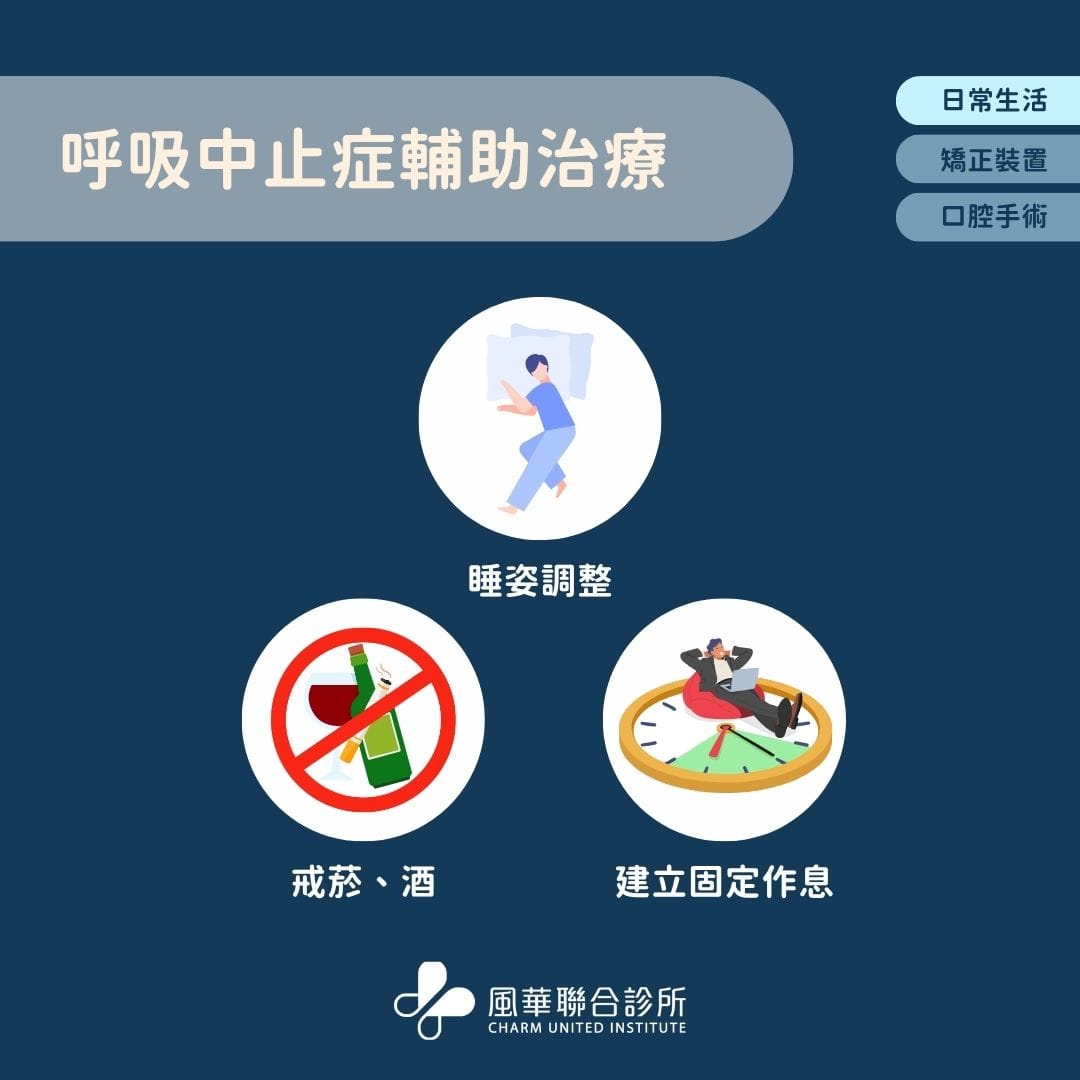
For patients with mild to moderate sleep apnea, improving lifestyle habits can effectively alleviate symptoms.
Being overweight can cause fat to accumulate around the throat, which can compress the airway and disrupt breathing at night.
therefore,lose weightIt is considered one of the most basic and effective ways of self-improvement.
also,Stop drinkingIt helps to reduce over-relaxation of muscles and prevent the tongue base from collapsing and blocking the airway.
Change your sleeping position, such as sleeping on your sideIt can also effectively reduce the risk of tongue falling back, avoid airway obstruction, and further reduce the frequency of snoring and respiratory arrest.
Oral appliances and mandibular advancement devices
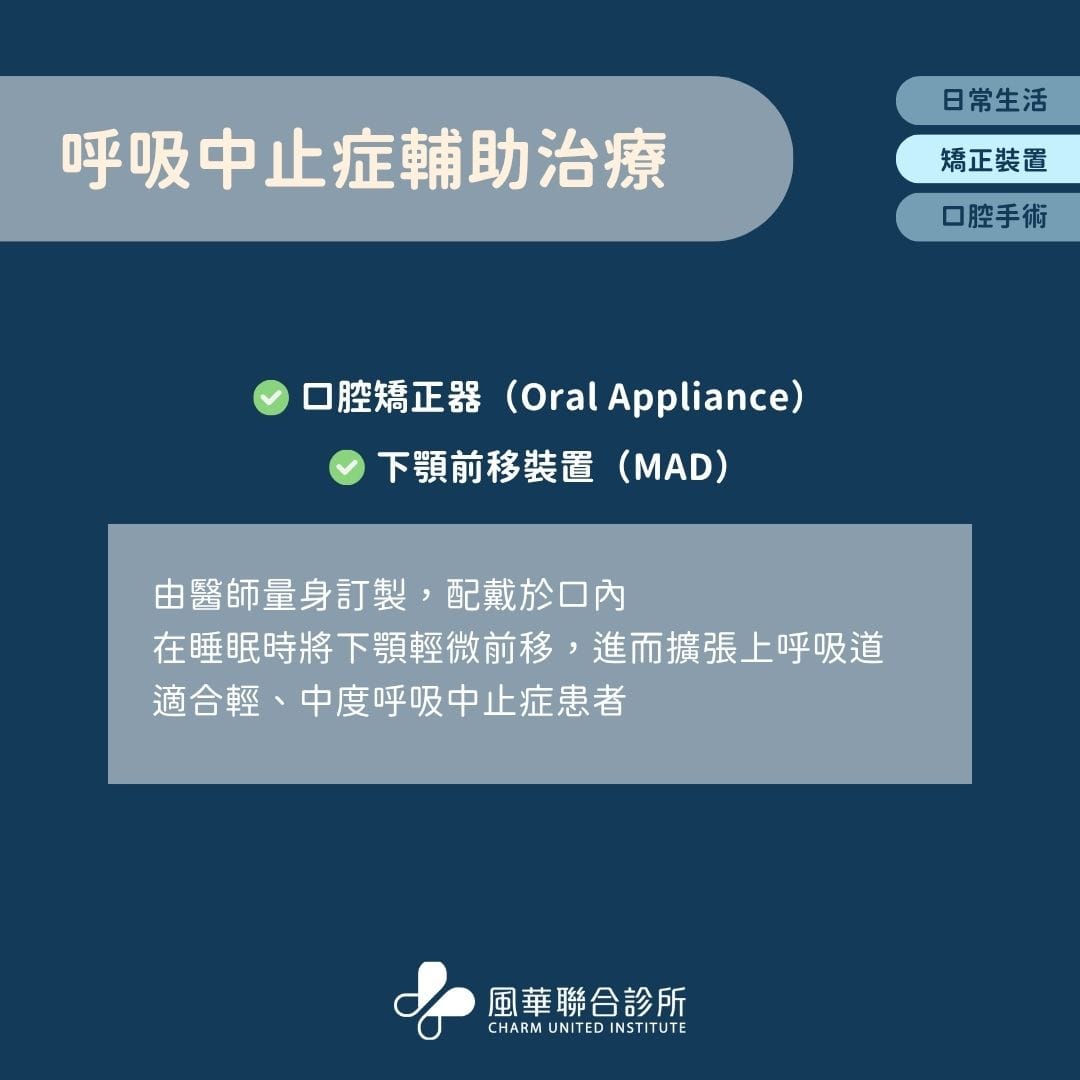
For patients who are not suitable for CPAP,Oral Appliance or Mandibular Advancement Device (MAD).
These devices are custom-made by a dentist and worn inside the mouth to slightly move the jaw forward during sleep.Dilate the upper airway and reduce collapse, improve respiratory circulation.
These devices are particularly suitable for patients with mild to moderate sleep apnea. They are easy to wear, do not require electricity, and are quieter. They are often considered an alternative to CPAP.
Oral Surgery Intervention
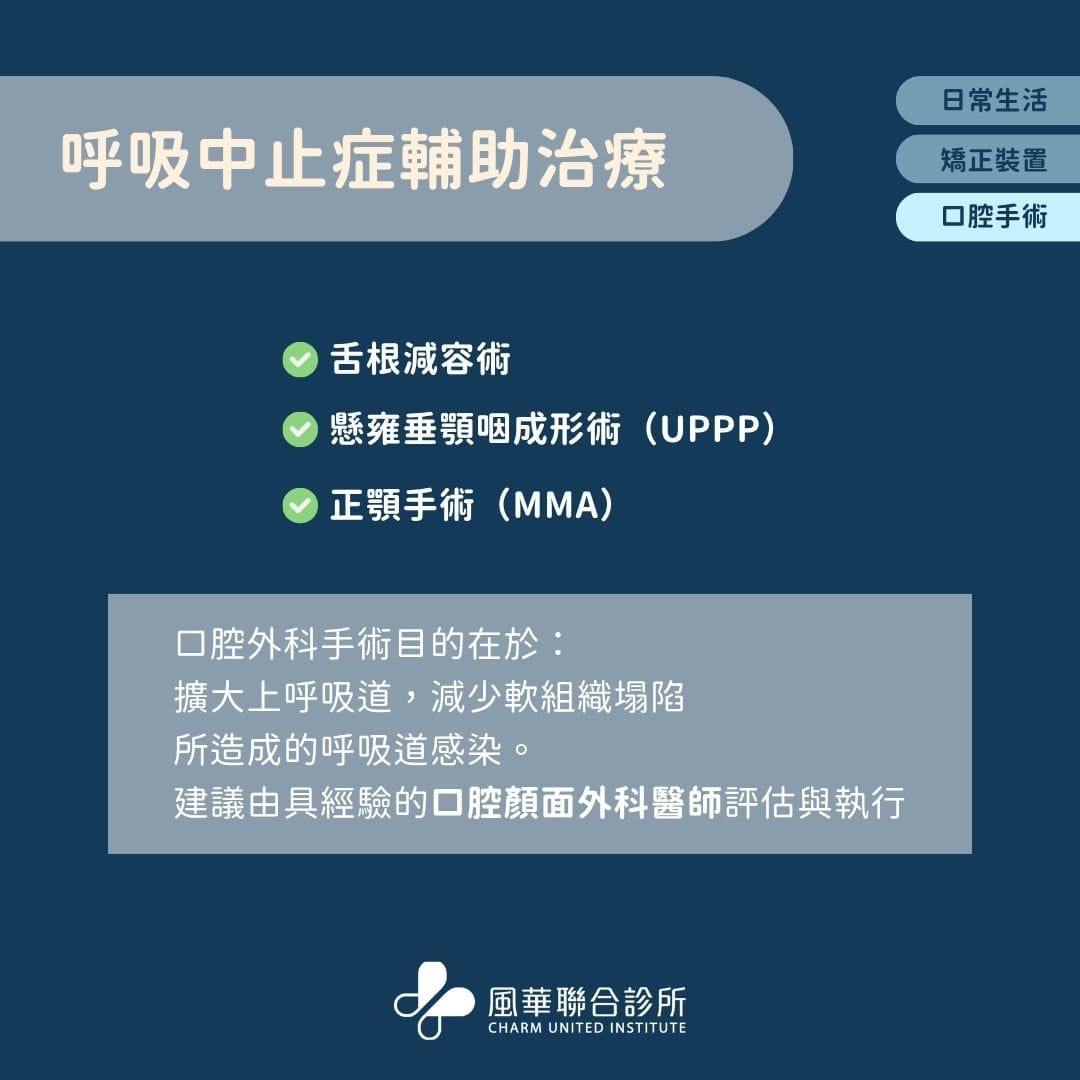
When the above methods are ineffective in improving symptoms and structural problems are found after examination, the doctor may recommendOral Surgery.
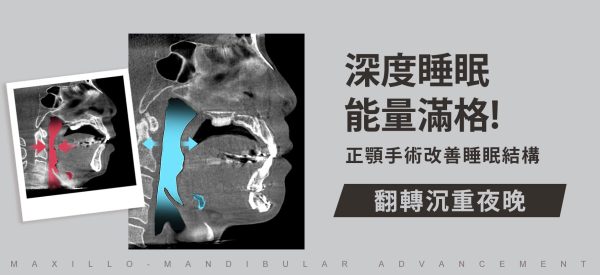
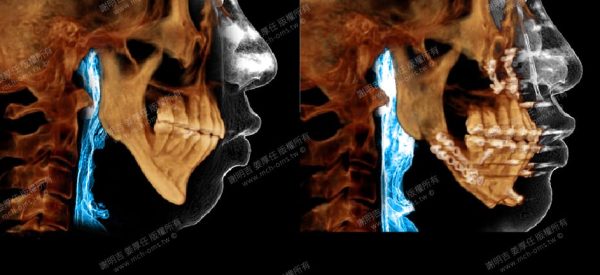
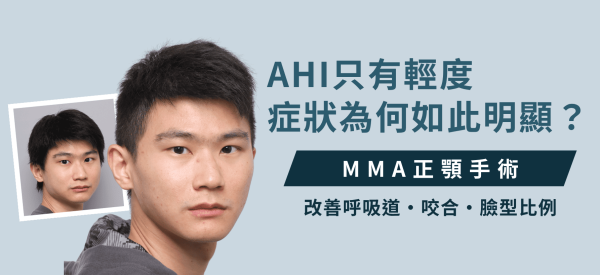
These surgeries may includeTongue base reduction surgery, uvulopalatopharyngoplasty (UPPP), orthognathic surgery (MMA), etc., aim to expand the upper airway and reduce obstruction caused by soft tissue collapse.
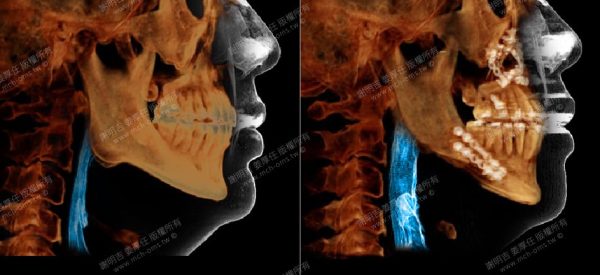
inJawbone SurgeryIt can significantly improve the airway stenosis caused by mandibular retraction and is oftenOrthognathic surgeryCombined with each other, it can achieve fundamental structural improvement.
Surgery is usually recommended by an experiencedOral and Maxillofacial SurgeonEvaluate and enforce to ensure safety and effectiveness.
Commonly asked questions about using snoring respirators
Continuous positive airway pressure (CPAP) is a standard and effective treatment for patients with moderate to severe obstructive sleep apnea.
However, long-term use of CPAP may also cause some side effects or discomfort.
The following are common questions and professional suggestions:
Q: What should I do if I experience respiratory discomfort such as dry mouth and nasal congestion when using a snoring respirator?
Many patients will experienceDry mouth or stuffy noseThis is usually related to dry airflow inside the ventilator, too high a pressure setting, or not using a heated humidifier.
It is recommended that patients discuss with a sleep dentist or otolaryngologist to adjust the parameters of the ventilator or addHumidifier and nasal mask spacerTo relieve discomfort.
For some patients whose ventilation is affected by structural problems such as a bent nasal septum, they may also consider having an ENT specialist evaluate and improve the condition.
Q: How to deal with respirator noise and wearing discomfort?
Some CPAP models may produce mechanical sounds during operation that may disturb your sleep, or the head-mounted accessories may cause pressure on your face and discomfort.
These issues can be addressed throughChoose a silent model, add anti-noise earplugs or replace the silicone mask that fits the face shape to improve.
In addition, you may also consider turningSilent jaw advancement deviceor further assessment whether it is appropriate toOrthognathic surgery treatment.
Q: Can orthognathic surgery replace ventilators?
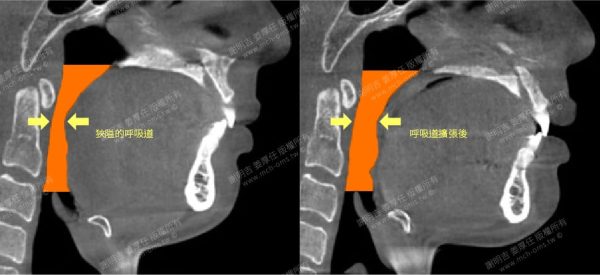
For patients with apnea caused by structural airway narrowing (such as retrusive jaw, jaw hypoplasia),Orthognathic surgery (bimandibular advancement) can not only improve the alignment of the jaws, but also completely expand the airway space., with the opportunity to reduce or completely eliminate reliance on CPAP.
The surgery is performed by a professional oral and maxillofacial surgeon, and detailed imaging and sleep examinations are performed before the surgery to ensure that the treatment plan is safe and effective.
Further reading:
- What should I pay attention to after sleep apnea surgery? A look at the sequelae and recovery points of apnea surgery
- Jaw straightening and swelling reduction is fast and accurate! Uncover the ways to accelerate jaw swelling reduction and common problems, say goodbye to swollen face!
- What should I do if my orthognathic surgery fails? dcard netizens share how to avoid orthognathic surgery failure and regret