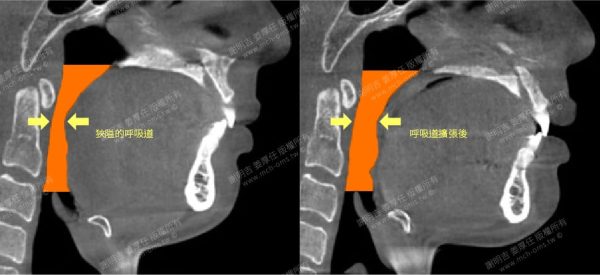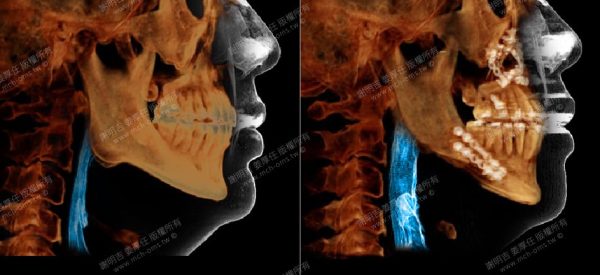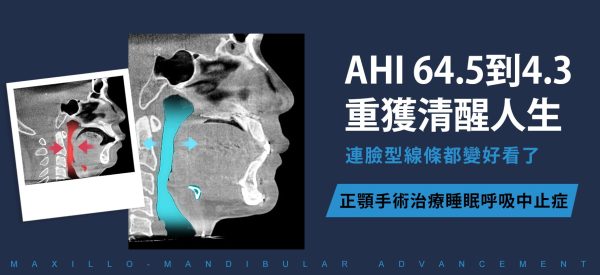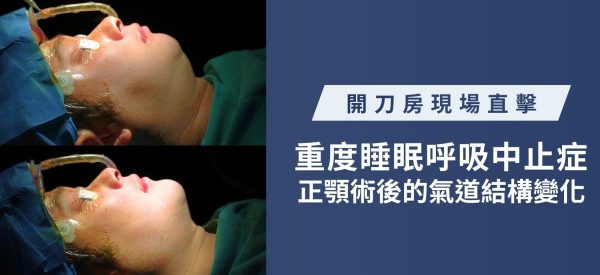



Most postoperative complications of sleep apnea are short-term postoperative reactions and do not indicate surgical failure.
Treatment methods primarily involving orthognathic surgery, which involve adjustments to the skeletal, soft tissue, and respiratory structures, may result in postoperative complications.Pain, swelling, numbness, and difficulty swallowingorTemporary shortness of breathThese are some of the possible complications. Most of these complications will gradually improve as the recovery period progresses; however, the actual recovery speed depends on individual constitution, the extent of surgery, and adherence to postoperative care. This article will take you on an in-depth discussion of these factors.apneaThis article covers common post-operative complications, key recovery points to note, and how to cooperate with your doctor's advice to maximize post-operative results, helping you to make thorough assessments and preparations before treatment.
Recommended clinic for sleep apnea in Taipei - Feng Hua United Clinic
5 Side Effects of Sleep Apnea Surgery (Orthognathic Surgery)

Wound pain and swelling
Postoperative wounds may appearShort-term pain and swellingThis is the body.Part of the natural restoration process.
Bleeding and infection risk
In the early postoperative period, there may beSlight bleeding (dark red)However, if it turns bright red and bleeding continues, seek medical attention immediately.
Paralysis and paresthesia
During surgery, if nerves are involved, it may cause local paralysis or paresthesia.
difficulty swallowing
Some patients may experience difficulty swallowing and feel uncomfortable in the early postoperative period.Swallowing exercises are needed.
Nasal airway obstruction
Postoperative swelling or blood clots may temporarily cause difficulty breathing. Once the swelling subsides, breathing will gradually become smoother and return to normal.
How long does it take to recover from sleep apnea surgery (orthognathic surgery)?

The recovery period after surgery varies depending on individual circumstances, the type of surgery, and the extent of the procedure. Generally speaking,The postoperative recovery period can be divided into the following stages.:
Initial recovery period (1-2 weeks):
- Patients may experience pain, swelling, discomfort, or difficulty swallowing, and need ample rest and to follow their doctor's instructions regarding care and medication.
Mid-term recovery period (after 2 weeks):
- After the initial 1~2 weeks,Symptoms will gradually ease
- Swallowing function and pronunciation will be improved
- Patients can gradually resume their daily activities under the guidance of a physician
Long-term recovery (more than 6 weeks):
- 6 weeks after surgery,The swelling is also relatively obvious, and the effect is gradually stable after surgery.
- Swallowing function and pronunciation will be improved
- Patients can gradually resume their daily activities under the guidance of a physician
Patients should cooperate with regular follow-up visits and receive [treatment/care].Fenghua United ClinicThe doctor's follow-up examinations and postoperative recovery plan, such as tooth occlusion adjustment (wearing braces or orthodontic elastics, depending on the individual's situation), are necessary to ensure the effectiveness of the surgery.
Fenghua Case Study | Severe Sleep Apnea

The man was diagnosed with severe obstructive sleep apnea (OSA).Obstructive Sleep Apnea Index (AHI)His score was 55.8. He exhibited almost all of the relevant symptoms, including loud snoring, excessive daytime sleepiness, morning headaches, poor concentration, irritability, and anxiety.
Detailed explanation →
What should I pay attention to after sleep apnea surgery?
Dietary habits
- In the early stage after surgery, due to the swelling of the wound and difficulty swallowing,Mainly liquid food.
- As recovery progresses, a gradual transition can be made toStart with semi-solid foods such as porridge and steamed eggs, and then gradually return to a normal diet.
The entire process should be followed up regularly by a doctor for adjustments based on individual circumstances. It is recommended to avoid scratching the wound with hard or sharp foods before it is fully recovered.
Wound care
Maintaining oral and wound hygiene after surgery is very important to prevent infection. Care must be taken to avoid the surgical wound. Avoid using mouthwashes containing alcoholYou can use a soft-bristled children's toothbrush to clean the surface of dentures.
Regular follow-up
After surgery, regular follow-up appointments are key to ensuring a smooth recovery. The doctor will check the wound healing status, evaluate the effectiveness of the surgery, and adjust the rehabilitation plan as appropriate. in particularIf you experience any unusual sensations or your breathing does not improve significantly, you should contact your doctor as soon as possible.To avoid delaying treatment due to potential problems.
How to reduce discomfort after sleep apnea surgery?
Drug treatment
Most of the discomfort after surgery can be relieved by medication. The doctor willPrescribe analgesics and anti-inflammatory drugs to relieve pain and control inflammation. Please take the medicine according to the dosage and avoid increasing or decreasing the dosage on your own.
If you experience other discomfort such as allergic reactions or gastrointestinal upset, please contact the clinic promptly.
Physical therapy
- Can be used 48 hours after surgeryApply ice for 15 to 20 minutes at a time to reduce swelling and pain, the outer layer needs to be covered with a towel to avoid direct contact with the skin to prevent frostbite.
- 48 hours later,Hot compressIt helps promote blood circulation and accelerate wound healing.
The timing of using ice and hot compresses should be adjusted according to individual recovery conditions and should be done under the guidance of a physician.
Adjust your lifestyle
After surgery, developing good living habits is an important basis for recovery.
- make sureGet enough sleep, and adopt a suitable sleeping position. It is recommended to sleep with a high pillow in the early postoperative period.
- Pay attention to a balanced diet.Eat more foods rich in vitamins and proteinTo promote tissue repair, avoid seafood, spicy drinks, and tobacco and alcohol.
- Moderate physical activity can boost metabolism, but overexertion should be avoided.
These methods can effectively reduce postoperative discomfort and help patients return to normal life faster.
FAQs about sleep apnea surgery (orthognathic surgery)

Q: Can sleep apnea (orthognathic surgery) be cured through surgery?
Surgery can effectively improve symptoms of sleep apnea, especially for people whose sleep apnea is caused by structural problems such as a retracted jaw, small chin, or narrow airway.
However, the effectiveness of surgery varies from person to person and is related to the patient's cause of illness, the extent of surgery, and postoperative cooperation. Most patients will experience significantly improved sleep quality after the recovery period, but may also require changes in lifestyle habits or other auxiliary treatments to achieve the best results (needs to be evaluated by a physician).
Q: How many days does one need to be hospitalized for sleep apnea (orthognathic surgery)?
Orthognathic surgery usually requires one night of hospitalization
The doctor will assess whether to extend the hospital stay based on the stability after surgery.
Q: Will apnea recur after surgery (orthognathic surgery)?
Recurrence after surgery is possible, especially if people do not change their lifestyle habits (such as being overweight, smoking, or drinking too much).
Also, as people age, airway tissue may become loose again, causing symptoms to recur. To reduce the risk of recurrence, patients should follow their doctor's advice, maintain a healthy weight and lifestyle, and regularly track and evaluate their sleep status.
More about sleep apnea…
- Could sleep apnea lead to a higher risk of sudden death? Orthognathic experts explain the dangers and prevention methods behind it!
- Are you suffering from memory loss at a young age? Be careful, sleep apnea may be interfering with your memory function!
- Frequent urination at night and daytime fatigue? Beware: Sleep apnea