

Stroke has long been consideredelderly populationhealth problems, according to2013 National Health Insurance Medical Statistics Annual ReportIt can be seen that in recent yearsStroke in middle-aged and older adultsThe proportion has a clear upward trend.
The incidence of stroke in young and middle-aged people in Taiwan has increased significantlyWhat is worrying is that many patients actually have potential risk factors before a stroke occurs but are unaware of them.
Among them, sleep apnea is the most often ignored but extremely dangerous invisible killer.
This article will delve into why sleep apnea increases the risk of stroke and explain how to detect and treat it early to avoid regrets.
If you or your family have breathing problems, long-term snoring, etc.,Fenghua United ClinicReminder: This is not just poor sleep, it may be a warning sign of stroke!
Why are more and more middle-aged and young people suffering from stroke?
Stroke is no longer exclusive to the elderly; more and more middle-aged and older adults are also facing the same risk.
This is not only closely related to the lifestyle of modern people, but also closely related to the poor control of some chronic diseases.
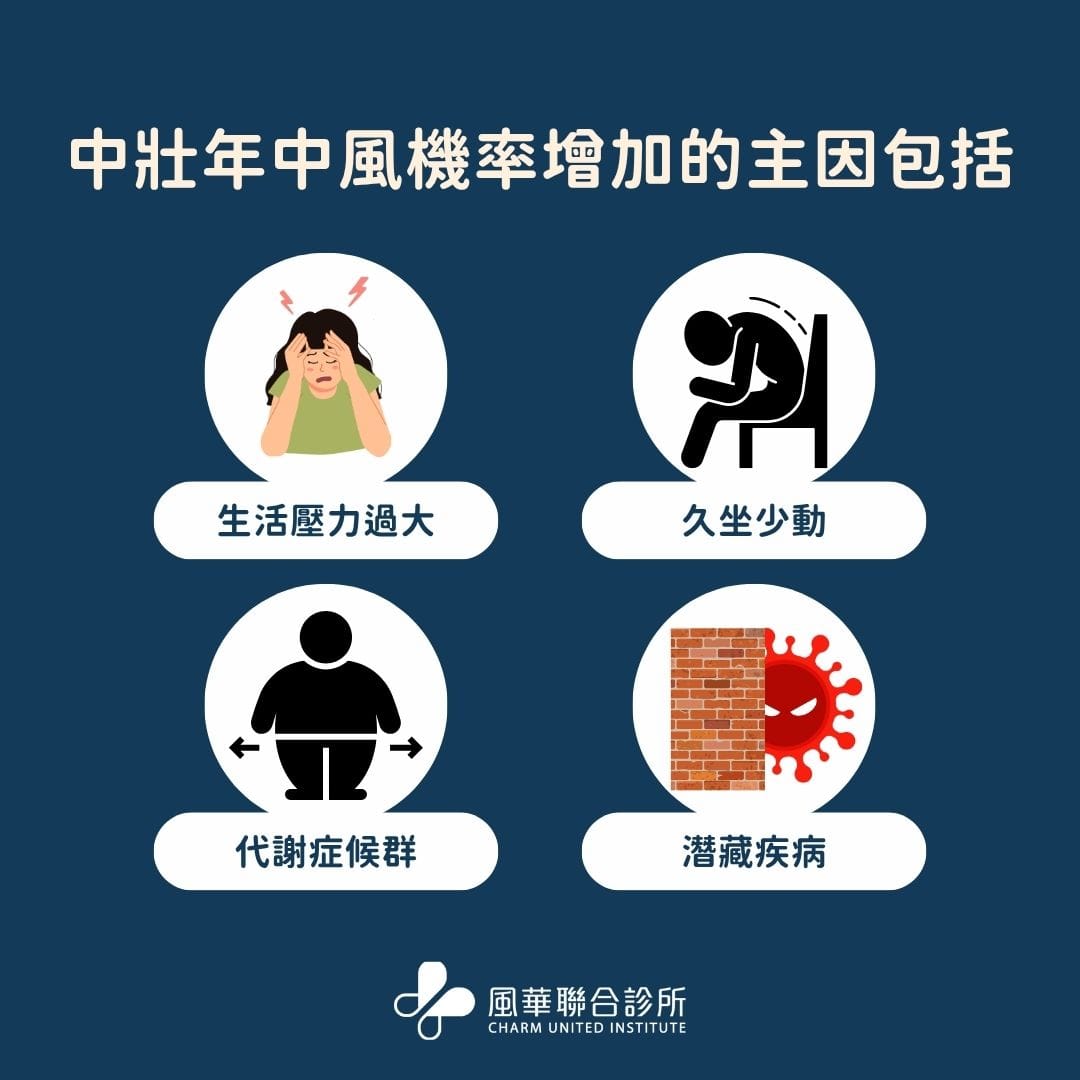
The main reasons for the increased risk of stroke in the modern middle-aged population include:
- Excessive stress in life: The dual pressures of work and family lead to autonomic nervous system disorders and drastic fluctuations in blood pressure.
- Sitting for long periods of time and moving little: Long-term sitting and lack of exercise will lead to poor blood circulation and worsening vascular health.
- Obesity and metabolic syndrome are prevalent: Obesity, diabetes, high blood lipids and other problems are becoming increasingly common among middle-aged people and are all risk factors for stroke.
- Hidden diseases go undetected: For example, sleep apnea, if left undiagnosed and untreated for a long time, will continue to damage the brain and cardiovascular system.
Especially sleep apneaThe prevalence of PTSD in middle-aged and middle-aged men is as high as 25% or more, but it is often ignored. If not treated early, it may cause a stroke without warning.
How does sleep apnea quietly increase stroke risk?
Sleep apnea is a disorder in which breathing stops or becomes shallow repeatedly during sleep.
This intermittent hypoxia not only prevents the body from getting adequate rest, but also causes long-term damage to the brain and cardiovascular system.
The following are the key mechanisms by which sleep apnea increases stroke risk:
- Chronic hypoxia leads to brain nerve damage: Frequent respiratory arrest at night causes the brain to repeatedly be in a state of low oxygen, causing chronic damage to brain tissue and increasing the risk of stroke.
- Severe fluctuations in blood pressure and increased sympathetic nerve activity: When breathing stops, the body will release a large amount of stress hormones, causing unstable blood pressure and irregular heart rhythm, making it more likely to cause blood vessel rupture or blood clot formation.
- Promote arteriosclerosis and vascular inflammation: A persistent low-oxygen environment can cause inflammation of vascular endothelial cells, accelerate arteriosclerosis, and make cerebral blood vessels more fragile.
- Coexistence with comorbidities such as hypertension and hyperlipidemia:manysleep apneaPatients who also suffer from other stroke risk factors have a more significant risk accumulation effect.
Many domestic and foreign studies have confirmed thatPatients with moderate to severe apnea have a stroke risk 2 to 3 times higher than the general population.
The American Academy of Sleep Medicine also points out thatSleep apneaIf left untreated, it significantly increases the risk of ischemic and hemorrhagic stroke.
Why do so many people have apnea but don't realize it?
Although sleep apnea is quite common, it is often mistakenly considered to be just "poor sleep" or "snoring".
This misconception causes many patients to miss the golden opportunity for diagnosis and treatment.
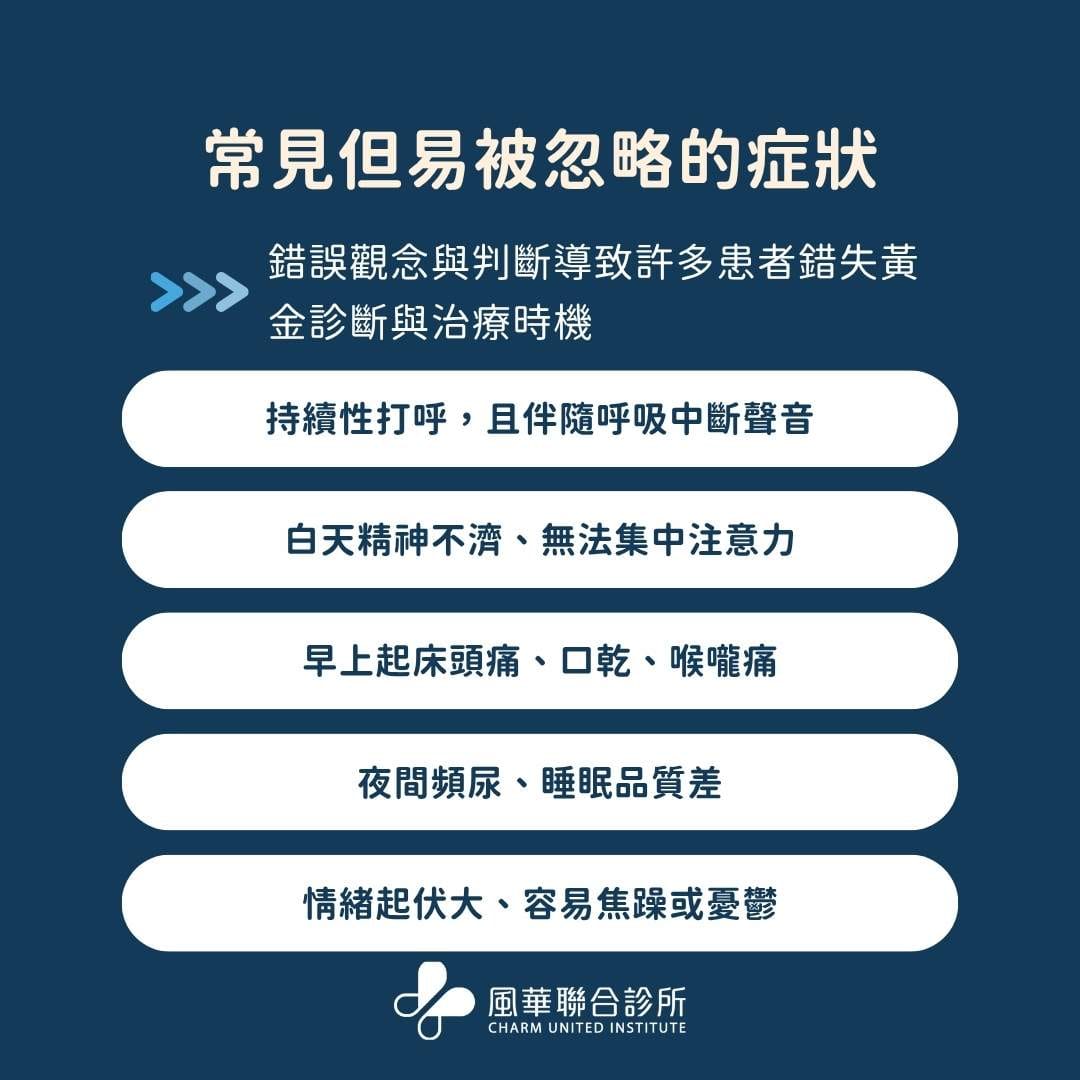
Common but easily overlooked early symptoms of apnea include:
- Continuous snoring with interrupted breathing
- Lack of energy and difficulty concentrating during the day
- Headache, dry mouth, and sore throat when waking up in the morning
- Frequent urination at night and poor sleep quality
- Mood swings, anxiety, or depression
These symptoms are often mistaken for stress or aging, but they may actually be caused by sleep apnea.
Why might a stroke be the first clear warning sign of apnea?
What is most worrying is thatMany patients are not diagnosed with severe sleep apnea until they have a stroke..
Due to the lack of obvious symptoms and the unwillingness to seek medical treatment, the disease progresses quietly to a dangerous stage.
Clinical statistics show that up to 701 stroke patients with TP3T or more were found to have apnea at the same time after examination, indicating thatsleep apneamay beOne of the biggest unrecognized risk factors for strokeTherefore, if you experience snoring, fatigue, or other symptoms, you should actively seek professional assistance.
How to detect sleep apnea early?
Early identification and diagnosis of sleep apnea isPreventing strokeThe important key.
Correct examination methods and risk assessment can help with early intervention treatment.
Several common methods of early detection include:
- STOP-BANG Questionnaire Self-Assessment: This is a simple sleep disorder screening tool that preliminarily determines the risk based on indicators such as snoring, fatigue, neck circumference, and age.
- Polyphysiological sleep gait test (PSG):For current diagnosissleep apneaIt is the gold standard for detecting changes in breathing, heartbeat, brain waves, etc. during sleep.
- Home sleep screening device: For patients with preliminary suspicion, sleep quality and the number of apnea episodes can be monitored at home using a simple device.
If you suspect you or your family members have symptoms,Arrange sleep examination earlyIt is one of the effective steps to prevent stroke.
Fenghua Joint Clinic provides a complete range of examination and assessment services. Please feel free to call us for consultation.
Who can I go to for treatment if I have apnea?
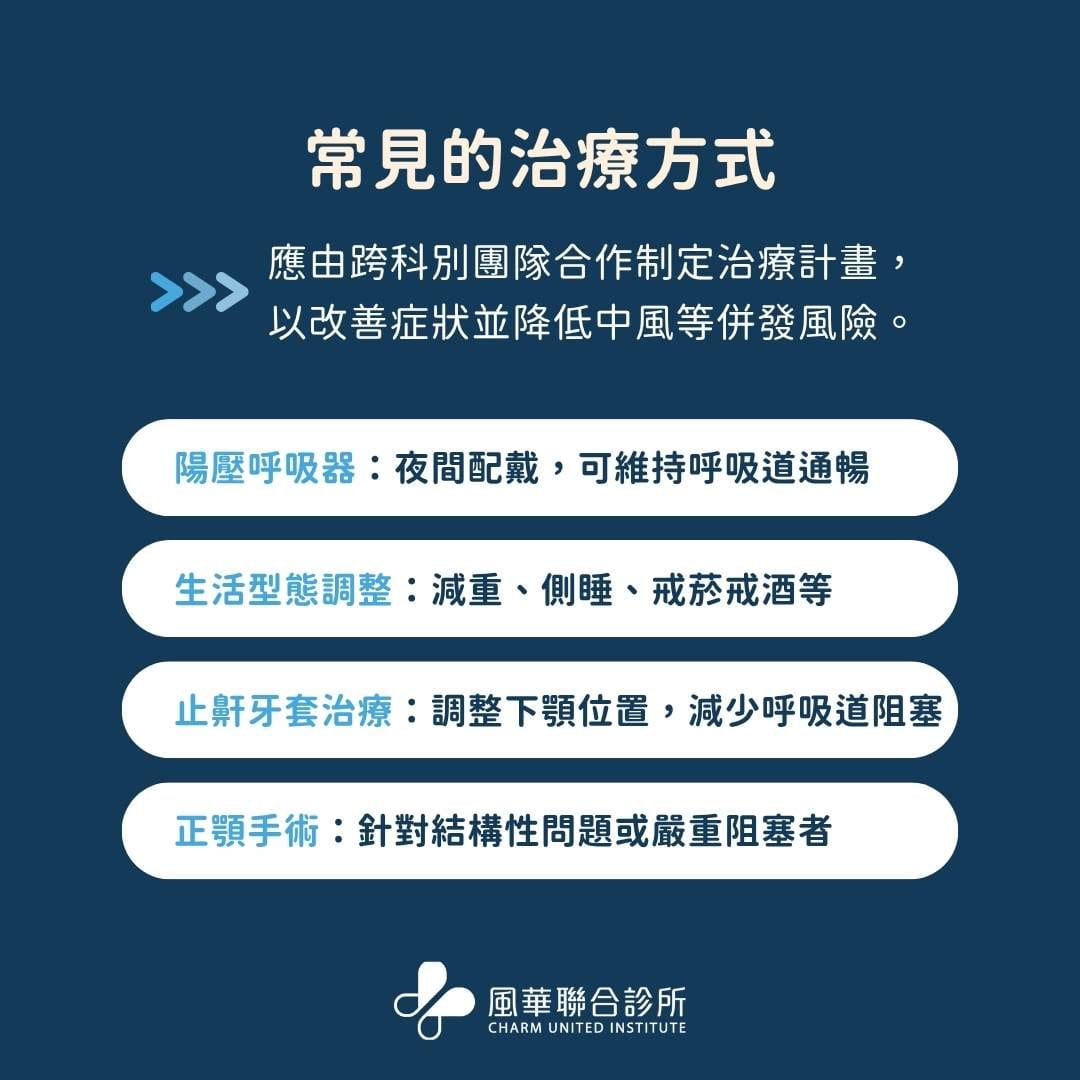
After the apnea was discovered,Individualized treatment plans should be developed by a multidisciplinary team, to improve symptoms and reduce the risk of complications such as stroke.
Common treatments include:
- CPAP (Constituent Positive Airway Pressure): A device worn at night to maintain airway patency, suitable for moderate to severesleep apneamain therapeutic tool.
- Lifestyle Adjustment: Such as losing weight, sleeping on your side, quitting smoking and drinking, etc., can significantly improve symptoms for mild patients.
- Snoring treatment with braces (oral appliances): Only suitable for mild patients, reducing respiratory obstruction by adjusting the jaw position.
- Surgical orthognathic surgery: For patients with structural problems (recessed chin) or severe obstruction, surgical intervention should be considered.
Otolaryngology, Sleep Medicine, Dentistry and Oral and Maxillofacial SurgeryEtc. can give corresponding treatment according to different reasons.
Fenghua Joint Clinic provides a complete sleep apnea treatment process to enable patients to receive the most suitable treatment plan.
If you have any questions, it is recommended to make an appointment with a professional specialist for a detailed evaluation..
Why can orthognathic surgery effectively improve sleep apnea?
When the main cause of apnea isRecessed jaw or structural stenosis of the airwayWhen the condition worsens, positive pressure breathing apparatus or anti-snoring mouthpieces alone cannot fundamentally improve the condition.
At this point, orthognathic surgery becomes an option with radical therapeutic potential.
The key to improving sleep apnea through orthognathic surgery is:
- Adjust the position of the upper and lower jaws to expand the upper airway space, effectively improving the source of blockage.
- Significant structural changes to reduce dependence on external devices, improve the quality of life.
- Significant effect on severe patientsClinical studies have shown that it can improve the number of respiratory arrests exceeding 85%.
The indications for surgery must be rigorously evaluated by a specialist, including multiple indicators such as jaw structure, severity of sleep apnea, and dental occlusion.
Fenghua Joint Clinic has a professional oral and maxillofacial surgery medical team.Provide complete orthognathic surgery evaluation and postoperative care, helping patients fundamentally improve their sleep and health.
Strokes can be rapid and have serious consequences, but ifEarly detectionPotential risks such as sleep apnea provide the opportunity to turn a crisis into an opportunity.
If you're experiencing chronic snoring, poor sleep quality, or daytime fatigue, don't ignore these seemingly minor warning signs. Fenghua Clinic reminds you: Stroke prevention starts with healthy sleep! Schedule a sleep check now to provide an extra layer of protection for you and your family.
Fenghua United ClinicProvide complete sleep apnea assessment and personalized treatment recommendations,Make an appointment now to regain true deep sleep and a healthy life!Further reading:
- Chronic fatigue and poor concentration? Beware of sleep interruptions caused by apnea
- What are the types of snoring respirators? Snoring respirators are too noisy, have side effects, and are not suitable for wearing. This method solves snoring and breathing arrest at one time
- Is exercise effective for sleep apnea? Is it possible to improve snoring through exercise? Experts explain how to improve snoring through exercise