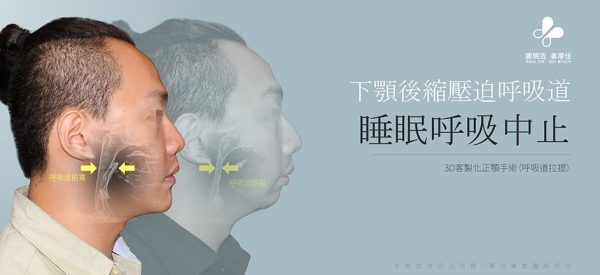



In clinical practice, more and more patients have frequent nocturnalsnore, lack of energy during the day, and even her partner complained of "stopping breathing" and she sought medical attention, and was further diagnosed withsleep apnea.
For such cases, in addition to using a sleep apnea machine,Orthognathic surgeryIn addition to other treatment methods, "sleep apnea exercise" has also gradually received attention in recent years.
Studies have shown that muscle training of the tongue, soft palate, throat and other parts may help strengthen the upper airway structure, reduce the chance of collapse, and thus improve snoring and apnea, thereby achieving the effect of exercise to improve snoring.
In this articleFenghua United ClinicThe book will introduce in depth the principles and practical methods of various apnea exercises, and explain the applicability and limitations of these snoring improvement exercises to help readers find the most appropriate improvement strategy.
What are some exercises for sleep apnea?

Sleep apnea exercise, mainlyMuscle training designed for the mouth, tongue, throat, etc., aiming toStrengthening the muscle tone in these areas reduces the chance of airway collapse.
These exercises include:
- Tongue Exercises: Such as sliding, stretching, pushing up, pushing down, pushing sideways, etc., to enhance the strength of the tongue muscles.
- Throat and soft palate training:Through pronunciation exercises, such as making the sounds "ah", "yi", and "oh", the tension of the throat and soft palate muscles can be increased.
- Cheek and orbicularis oris muscle exercises: Such as blowing air, puffing up the face, etc., to strengthen the facial muscles and support the respiratory tract.
- Nasal breathing training: Includes deep breathing and abdominal breathing to improve overall breathing patterns.
The purpose of these exercises is to improve airway stability and reduce snoring and respiratory arrest.
Patients should persist in doing these exercises.Do this at least once a day for about 10 minutes each time for more than three months, can see obvious improvement effect.
What exercises can improve sleep apnea and snoring?
Here are some specific exercise methods that readers can actually practice at home:
Tongue Exercises
- Tongue Slide: Place the tip of your tongue behind your upper teeth and slowly slide your tongue toward the back of your mouth. It is normal to feel a tickling sensation. When your tongue feels like it can't go any further, relax it and move it back behind your upper teeth. Repeat 5-10 times.
- Tongue stretching: Stick out your tongue as far as possible, look at the ceiling, and try to lick your chin with your tongue. Keep your tongue near your chin for 10 to 15 seconds, then gradually increase the duration and repeat 5 times.
- Tongue push up: Lift your tongue upwards with the tip of your tongue facing forward, then try to push the entire tongue up against the roof of your mouth, hold this position for 10 seconds, and repeat 5 times.
- Tongue push down: Place the tip of your tongue against your lower teeth, then press the back of your tongue flat against the bottom of your mouth, hold this position for 10 seconds, and repeat 5 times.
- Tongue thrust: First, press your tongue against the right cheek from the inside of your mouth, and then use your right fingers to push your tongue from the outside of your cheek. At the same time, your tongue should resist the fingers, and do not let your tongue be pushed away by your fingers. Hold this position for 5 seconds, and repeat 5 times before switching sides.
Throat and soft palate training
- Pronunciation Practice: Practice making the "ah", "yi" and "oh" sounds every day, with each sound lasting 10 seconds and repeated 5 times. This will help increase the tension of the throat and soft palate muscles.
Cheek and orbicularis oris muscle exercises
- Blowing exercise: Blow hard to puff up your cheeks, hold for 5 seconds, then relax, repeat 10 times.
- Face-pushing exercise: Inhale air into your mouth to puff up your cheeks, hold for 5 seconds, then relax, and repeat 10 times.
Nasal breathing training
- Take a deep breath: Inhale slowly through your nose, letting your abdomen expand, then exhale through your mouth, letting your abdomen contract. Repeat 10 times.
- Abdominal breathing: While lying down, place one hand on your chest and the other on your abdomen, and practice letting your abdomen rise and fall, not your chest. Repeat 10 times.
Apnea exercises have limited effect in improving snoring!
Although the above exercises are effective in improving snoring and mild to moderate sleep apnea, they may be of limited benefit to severe patients or those with structural problems.
These exercises cannot solve structural problems such as retracted jaw and thick tongue base. Therefore, for such patients, professional medical assistance is still needed.
Under what circumstances is exercise effective?
- Patients with mild to moderate sleep apnea.
- No obvious structural issues, such as retracted jaw and thickened tongue root.
- Ability to carry out sports training consistently.
When should I seek professional help?
- Patients with moderate to severe sleep apnea.
- There are obvious structural problems, such as retracted jaw and thickened tongue root.
- Exercise training does not improve symptoms.
- Symptoms such as daytime sleepiness, difficulty concentrating, and memory loss.
Snoring is more effective when combined with aerobic exercise
In addition to the above-mentioned exercises, aerobic exercises, such as swimming, brisk walking, etc., can also help improve snoring and sleep apnea.
Aerobic exercise can help you lose weight, reduce airway pressure, and improve overall breathing quality.
suggestion3 to 5 times a weekaerobic exercise,More than 30 minutes each timeOnly by persisting can you see obvious improvement.
How do oral and maxillofacial surgeons view apnea?
For many patients, when they hear the term "sleep apnea exercise", they often have high expectations, hoping to get rid of the troubles of snoring and poor sleep quality through simple oral and respiratory muscle training.
However, from the perspective of professional oral and maxillofacial surgeons, this type of training is indeedIt has an auxiliary effect in patients with mild to moderate obstructive sleep apnea (OSA)However, for severe airway obstruction caused by structural problems, professional medical intervention is still needed to truly improve symptoms.
Structural problems still require medical intervention
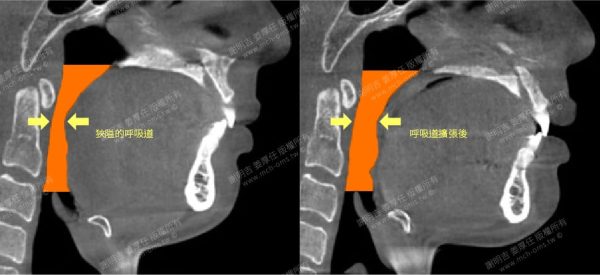
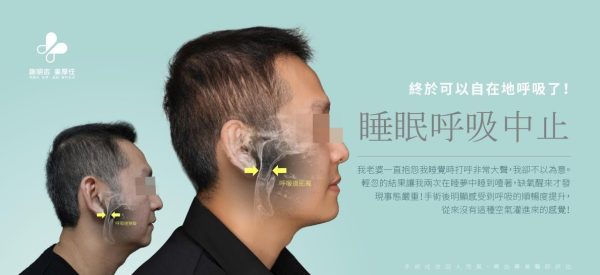
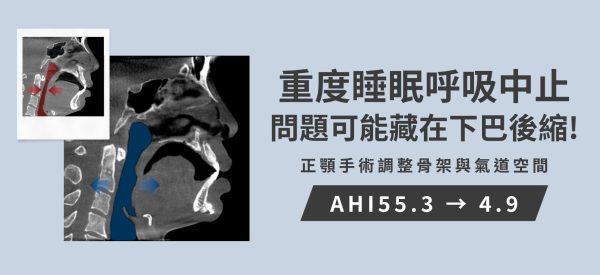
In fact, the respiratory arrest symptoms of many patients are closely related to craniofacial structural abnormalities, such asRecessed lower jaw, narrow upper jaw, thickened tongue base, enlarged tonsilsThese structural factors can cause narrowing of the upper airway, making it difficult for air to pass through the airway smoothly during sleep, which can lead to snoring or even respiratory arrest.
For this type of patients, even if they perform sleep apnea exercises every day, it is still difficult to fundamentally solve the problem of airway obstruction.
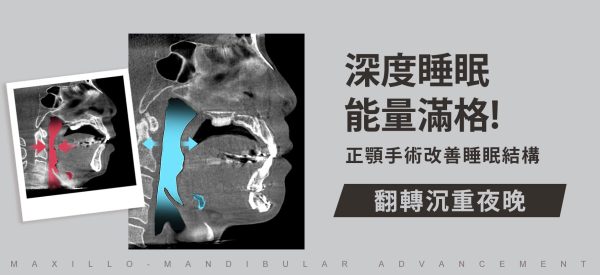
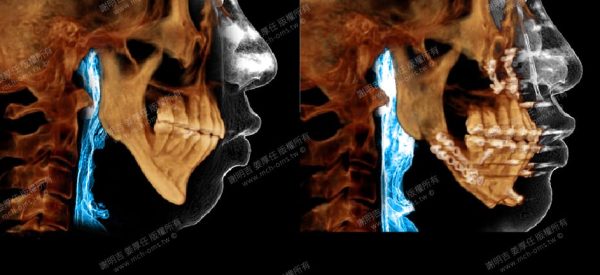
In these cases,Orthognathic surgery or other oral and maxillofacial surgery proceduresIt seems quite important.
Adjusting the position of the mandible and upper jaw through surgical procedures and expanding the airway space can effectively improve respiratory obstruction and significantly reduce the apnea index (AHI).
This type of treatment requires a professional oral and maxillofacial surgeon to assess the skull shape and airway structure and work with the sleep specialist team to plan a treatment plan.
Therefore, for patients diagnosed withModerate to severe respiratory arrestFor those with obvious bone abnormalities, exercise alone will have very limited effect in improving snoring, and they should seek professional diagnosis and advice from dentistry or sleep medicine as soon as possible.
Combining exercise can enhance the effectiveness of treatment
Although exercise cannot replace surgery for patients with structural abnormalities, it can be added after surgery or during treatment.Myofunctional Therapy, it will help consolidate the treatment results and further reduce the risk of recurrence.
The study pointed out that if patients continue toTongue exercises, orbicularis oris muscle training, and nasal breathing exercises, which can enhance the tension and stability of the airway muscles and effectively prevent the airway from collapsing again.
Additionally, even patients who use oral devices (such as a mandibular advancement device) or continuous positive airway pressure (CPAP) can incorporate sleep apnea exercises into their daily maintenance routine.
Muscle training can enhance the active support of the respiratory tract, making auxiliary treatment more stable and smooth.
From clinical experience, those whoOrthognathic surgery and exercise trainingpatients, not onlyThe patient recovered well after the operation, and his overall sleep quality and quality of life were significantly improved..
After the operation, the doctor will arrange physical therapy, respiratory rehabilitation or self-training courses according to the patient's condition to help establish correct habits and avoid recurrence of symptoms.
In summary,Although sleep apnea exercise cannot replace medical treatment, if it is carried out at the right time, it can help improve treatment effectiveness and maintain long-term health..
Patients are advised to work closely with their physicians to develop customized integrated treatment strategies in order to truly improve sleep quality and avoid the health risks of chronic hypoxia.
Strategies to improve snoring in daily life
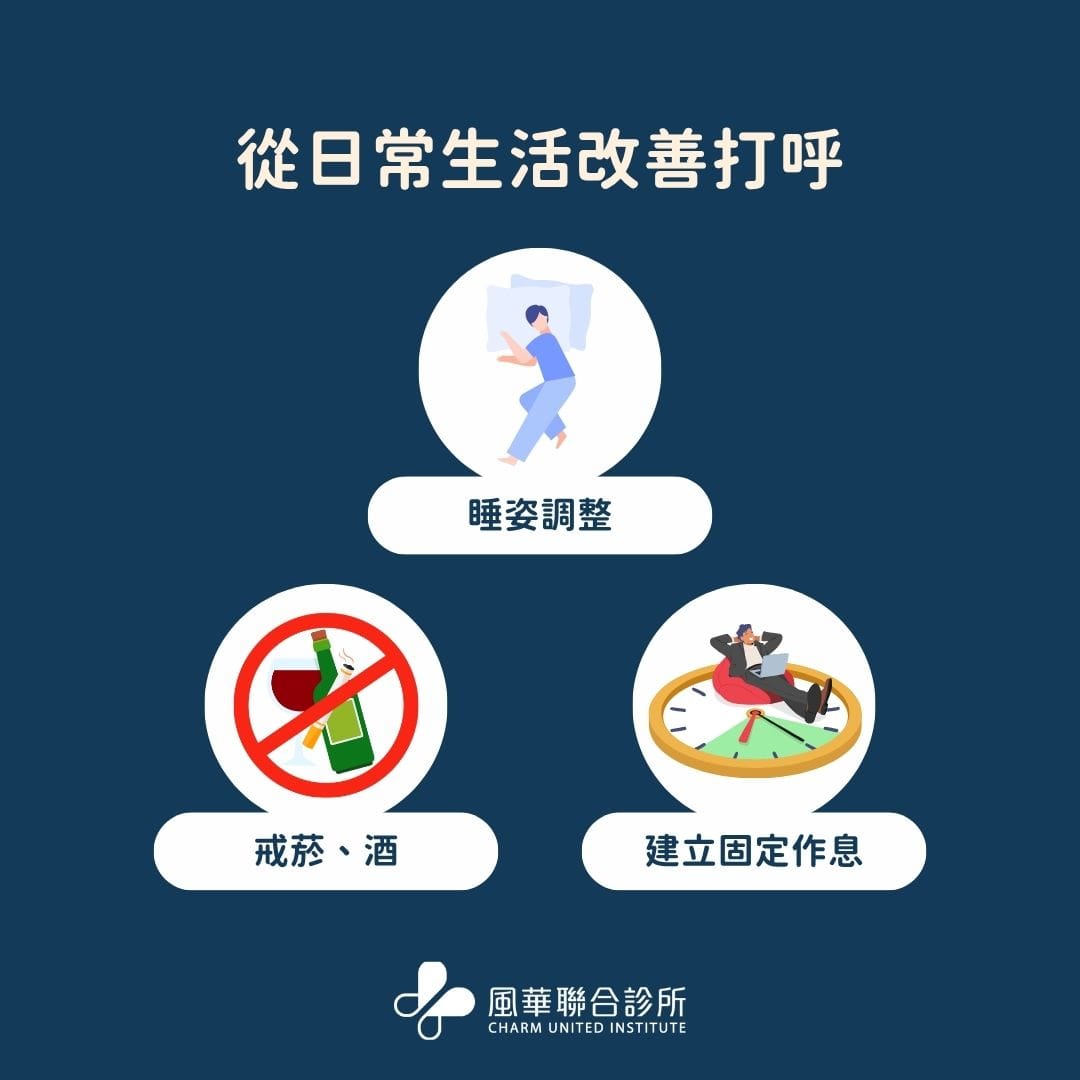
Mild snoring symptoms can often be relieved by improving daily living habits, especially for patients who have not yet developed moderate to severe sleep apnea. Correct lifestyle adjustments can significantly reduce the chance of symptoms worsening.
Here are a few simple but effective lifestyle tips:
Sleeping position adjustment
When sleeping on your back, the tongue and soft palate tend to collapse backwards due to gravity, causing airway obstruction and triggering snoring or respiratory arrest.
Change toSleeping on your side can help prevent your tongue from falling back, reducing the chance of airway compression and narrowing.
Try using a pillow or bolster designed for side sleepers to help stabilize your sleeping position and improve your overall sleep quality.
Quitting smoking and avoiding alcohol
Smoking can cause long-term inflammation and swelling of the upper respiratory tract mucosa, further narrowing the airway space;Drinking alcohol can cause the upper airway muscles to over-relax., it is more likely to collapse during sleep, causing breathing obstruction.
Therefore, quitting smoking and avoiding drinking before bedtime are important strategies to prevent or improve snoring.
If you cannot quit completely immediately, try to gradually reduce the dosage andAt least 4 hours before bedtimeAvoid alcoholic beverages.
Establish a regular routine and sleeping environment
KeepRegular work and rest timeandComfortable and quiet sleeping environment, which helps the body enter deep sleep smoothly, stabilizes the breathing rhythm and reduces snoring.
It is recommended to set a fixed bedtime and wake-up time every day, avoid using 3C products for a long time, taking naps too long or too late, and maintain appropriate temperature and darkness in the bedroom.
In addition, choosing the right pillow height and mattress softness can also improve breathing smoothness during sleep.
Exercise combined with orthognathic surgery can improve apnea permanently
For patients with structural airway stenosis or moderate to severe sleep apnea, if confirmed after multiple evaluationsSkeletal source of obstruction, orthognathic surgery becomes a long-term and effective fundamental treatment method.
However, many patients often neglect their daily routineMuscle training and health managementIn fact, these are also important keys to ensure stable surgical results.
After surgery,Oropharyngeal muscle training, nasal breathing training, and establishment of sleep hygiene habitsAnd other methods can further improve the upper respiratory tract muscle tension and airway stability, and reduce the risk of recurrence of respiratory arrest.
also,Regular exercise can improve whole body metabolism and weight control, especially in middle-aged men, those with high BMI often have obstructive sleep apnea. Successful weight control can significantly improve the frequency and severity of snoring.
Early detection and treatment cannot be ignored. If you experience long-term morning headaches, daytime sleepiness, inattention, memory loss, or severe snoring, you should seek medical attention as soon as possible.
ThroughCorrect diagnosis and customized treatment planning, combined with lifestyle improvements and the establishment of exercise habits, can not only effectively improve sleep apnea, but also comprehensively improve the quality of life and long-term health.