

Why do patients using positive pressure ventilators (CPAP) eventually choose orthognathic surgery?
Although positive pressure ventilators are recognized as an effective treatment, the inconvenience of wearing them for a long time often leads patients to seek more fundamental solutions.This article provides an in-depth analysis of MMA orthognathic surgery, which is considered the "gold standard" in the medical field.How to modify bone structure to provide a stable option that is closest to the effect of CPAP and can free you from machine constraints in the long term, helping you find the ultimate path to completely improve your quality of life in your treatment plan.
Recommended clinic for sleep apnea in Taipei - Feng Hua United Clinic
Orthognathic surgeryIt not only improves respiratory function, but also reshapes the face and restores self-confidence. The recovery period and cost of orthognathic surgery are also important considerations for patients.
Fenghua United ClinicWe will analyze the advantages and costs of orthognathic surgery from multiple perspectives., helping you fully understand this treatment and make an informed decision.
Medical Evidence: The "Gold Standard" for Sleep Apnea Surgery
According to historical documents and multiple integrated analyses:Orthognathic surgeryMaxillo-Mandibular Advancement (MMA) is the most common surgical procedure for treating obstructive sleep apnea.The structural treatment method with the highest long-term success rate and stability (bar none)..

- Surgical success rate: approximately 851 TP3T – 861 TP3T (postoperative AHI index decrease exceeding 501 TP3T and final AHI < 20)
- Average AHI decrease: 75% – 80%.
- Clinical cure rate: approximately 381 TP3T – 451 TP3T (AHI drops below the normal physiological range of 5).
- Long-term stability: Significantly stable, with a recurrence rate far lower than that of soft tissue surgery.
| index | Data range | Remark |
|---|---|---|
| Average AHI decrease | 75% – 80% | For example, it dropped from an average of 63.9 to 9.5. |
| Surgical success rate | 85% – 86% | AHI halved and ultimately < 20. |
| Clinical cure rate | 38% – 43.2% | AHI drops below 5. |
| Long-term stability | Significantly stable | Follow-up for 5-10 years shows a recurrence rate far lower than that of soft tissue surgery. |
Why does MMA have the highest success rate? In-depth analysis of the physical principles.
The reason MMA is considered the "gold standard" is because it can [achieve its goal].Fundamentally adjust the craniofacial skeletal structureThis improves airway patency. Many patients' problems stem from the posterior position of the upper and lower jawbones (such as a small chin), leading to congenital narrowing of the airway space, rather than simply soft tissue collapse.
MMA Principle 1: Comprehensive Expansion of the Airway
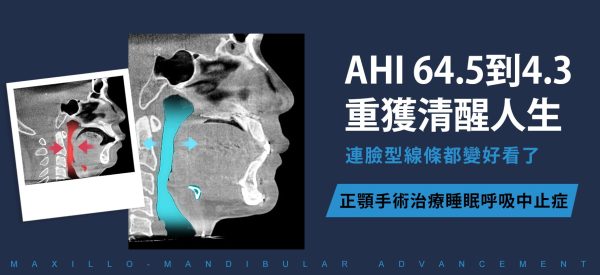
Unlike traditional soft tissue surgeries (such as UPPP) that only target local tissues, MMA moves the upper and lower jaws forward as a whole, causing the soft palate, tongue base, and muscles around the hyoid bone attached to the bones to move forward simultaneously, while expanding the nasopharynx, oropharynx, and hypopharynx.
MMA Principle 2: Increase tissue tension
Imagine your respiratory tract as a loose sleeping bag.Soft tissue surgery attempts to trim the fabric inside the sleeping bag, while MMA tightens the sleeping bag's frame outwards.When the bones move forward, the tension of the airway walls increases, making them less likely to collapse during inhalation.
MMA Principle 3: It relies on displacement, not excision.
Soft tissue surgery is prone to recurrence due to scar tissue hyperplasia or residual tissue laxity, but MMA alters hard tissue (bone). After bone heals, its structure is very stable, which is why it has a high long-term success rate and good stability.
Reasons why patients with respiratory arrest ultimately choose to undergo orthognathic surgery
Orthognathic surgery in the treatment of severeSleep apneaIt has shown incomparable advantages in terms of symptoms.
Many patients will use it in the initial treatmentCPAP (Continuous Positive Airway Pressure)Or anti-snoring mouthguards can improve sleep breathing problems, but these treatments are mostly non-invasive and temporary measures that cannot treat breathing apnea caused by jawbone developmental abnormalities.Orthognathic surgery can fundamentally adjust the craniofacial bone structure, improve airway patency, and allow patients to achieve long-term, stable treatment results.Especially those diagnosed as severeSleep apneaDisease group.
Through orthognathic surgery, patients can not only improve their breathing function, but also have the opportunity toImprove facial appearance, thereby improving self-confidence and quality of life.
For severe snoring patients who have long relied on CPAP or anti-snoring braces but have little effectSleep apneaFor patients with gingivitis, orthognathic surgery provides an option that can significantly improve the therapeutic effect.
After experiencing non-invasive, temporary methods, patients can distinguish the improvements in daily activities and sleep quality that come with the surgery.This is exactlySleep apneaAn important reason why patients with this condition should not rule out orthognathic surgery as a treatment option..
-
Limitations of CPAP:
- Inconvenient to use and easy to become dependent
- Noise and mask discomfort
- Long-term use may cause skin problems
-
Limitations of anti-snoring mouthpieces:
- Only temporarily improves symptoms
- The effect varies from person to person, and the structure cannot be fundamentally adjusted
- May cause tooth shifting or bite problems
| Comparison items | CPAP machine / mouthguard | MMA orthognathic surgery (the gold standard) |
|---|---|---|
| Therapeutic nature | Temporary, equipment dependent | Fundamental structural adjustment |
| Main limitations | Noise, mask discomfort, tooth shifting | Recovery period required, surgical threshold |
| Long-term success rate | It needs to be worn daily to be effective. | Approximately 85% – 90% and stable. |
| Appearance Impact | No improvement | Simultaneously enhance facial aesthetics |
Why is a "high success rate" accompanied by "low brand awareness"?
An interesting question arises: why is the success rate of orthognathic surgery – jaw advancement (MMA) so high, yet it seems to be rarely mentioned?
Even pulmonologists or otolaryngologists may not proactively mention this option. This phenomenon—"high success rate but low visibility"—is the current reality facing the field of sleep surgery. This is a very ironic reality, mainly due to the following reasons:
-
Fear of surgery
MMA is considered a "major surgery," involving bone cutting, movement, and fixation with titanium plates. In contrast, CPAP only requires wearing a mask, while UPPP is like a larger tonsil surgery, and most patients tend to shy away from the idea of "bone manipulation." -
The threshold of interdisciplinary studies
Performing MMA requires a specialist with a background in oral and maxillofacial surgery (OMFS) and close collaboration with sleep specialists and orthodontists. Many physicians who treat OSA are otolaryngologists or pulmonologists, and without interdisciplinary referral mechanisms, patients may have difficulty accessing this option. -
Concerns about changes in appearance
Although MMA can usually improve facial contours (such as correcting a receding chin), patients often worry about "changing face shape" or initial swelling after surgery, which increases the psychological barrier. -
Costs and recovery period
MMA surgery is expensive, and patients need to consume a liquid diet and recover for several weeks after the surgery, making it a relatively low-risk option for patients who need to return to work immediately.
| Comparison items | Soft tissue surgery (UPPP, etc.) | Orthognathic surgery/Mandibular advancement (MMA) |
|---|---|---|
| Main objectives | uvula, tonsils, soft palate | Upper and lower jawbones (overall structure) |
| Average success rate | Approximately 40% – 50% (and decreasing over time). | Approximately 85% – 90% (long-term stable) |
| Risk of recurrence | Higher (tissue may loosen again) | Extremely low (fixed skeletal structure) |
| Invasive | Lower risk, faster recovery | The condition is high, requiring hospitalization and a long recovery period. |
| Scope of indications | Oropharyngeal obstruction only | Suitable for multi-level, severe blockage |
Who is best suited for MMA surgery? Only these two types of patients remain with the answer!
-
Patients with poor CPAP tolerance
Many patients are unable to wear ventilators due to claustrophobia or allergies. For this group, MMA is almost the only means that can provide long-term health protection (prevention of stroke, heart disease). -
Severe skeletal dysplasia
If a patient has a significant mandibular retrusion (small chin), any soft tissue surgery will have little effect, and MMA is the appropriate treatment.
Now throughVirtual Surgical Planning (VSP)Doctors can precisely simulate the postoperative skeletal structure before surgery and ensure that the airway is effectively widened. This "digital transparency" allows patients to see the resulting skeletal structure beforehand, which is slowly but steadily increasing patient acceptance of the surgery.
Besides treating respiratory arrest, orthognathic surgery offers multiple advantages.
Orthognathic surgery has effects beyond treating sleep apnea symptoms; it has a wide range of positive impacts on craniofacial and oral function.
Fundamentally solve structural abnormalities
Unlike CPAP or anti-snoring braces, which only temporarily improve symptoms, orthognathic surgery can fundamentally solve the problem of airway narrowing caused by abnormal jawbone development from a physical structural perspective.
Improve airway patency
By adjusting the craniofacial skeletal structure, the space and patency of the airway are greatly improved.
Enhance facial aesthetics
In addition to treating sleep apnea, it can also improve facial asymmetry and appearance, improve occlusion and tooth alignment, thereby boosting the patient's self-confidence.
Relieve related discomfort
Improving the relative position of the jaws can effectively relieve problems such as jaw pain or neck discomfort caused by malocclusion.
Improving language and quality of life
It improves chewing dysfunction and speech clarity, making daily eating and communication smoother.
Considerations and limitations of orthognathic surgery
Although orthognathic surgery is highly effective, it is not suitable for all patients and requires a comprehensive evaluation by a professional physician.
Oral health
The doctor will conduct a detailed assessment of the patient's tooth alignment, bite, and facial bone development. Any serious periodontal disease may increase the risks of surgery.
- Adolescents: Surgery is not recommended for patients whose bones are not yet fully developed and stable during their growth period.
- Elderly patients: Special attention should be paid to their overall health and bone density to avoid potential recovery risks.
Whole body health assessment
Patients with vascular disease, respiratory problems, or other chronic diseases that may affect wound healing (such as diabetes) must have their surgical safety strictly reviewed by a physician.
Personal healing ability
Each patient has different bone density and wound healing ability, and these factors directly affect the final surgical outcome.
How much does orthognathic surgery cost at Taipei Fenghua Clinic?
Orthognathic surgery is favored by many patients at Taipei Fenghua Clinic, but many patients are concerned about the cost of orthognathic surgery.
Orthognathic surgery costVaries depending on factors such as the scope of surgery, complexity of surgery, preoperative examination and postoperative rehabilitation.
The professional medical team will provide the most appropriate surgical plan and cost estimate based on the patient's actual condition.
In addition to the cost of the surgery itself, other related costs such as preoperative examination fees, anesthesia fees, hospital observation fees, and postoperative rehabilitation fees also need to be considered.
Therefore, before considering orthognathic surgery, patients should understand the various cost components in detail and fully discuss with their doctors to develop a reasonable budget plan.
What factors are covered in the cost of orthognathic surgery?
The following table lists the main expenses related to orthognathic surgery for patients' reference:
| Cost Items | illustrate |
|---|---|
| Preoperative examination fee | Includes CT scans, blood tests, and general health assessments |
| Cost of surgery | Depending on the complexity of the surgery and the duration of the surgery |
| Anesthesia and hospital observation fees |
Stay in hospital for one night for observation and depending on the duration of anesthesia |
| Rehabilitation and follow-up costs | Postoperative follow-up, rehabilitation guidance and regular follow-up |
(The above cost inclusions are for reference only. The actual treatment will be determined based on the individual patient's situation and clinic assessment.)
Taipei Fenghua Joint Clinic Orthognathic Surgery Case Sharing
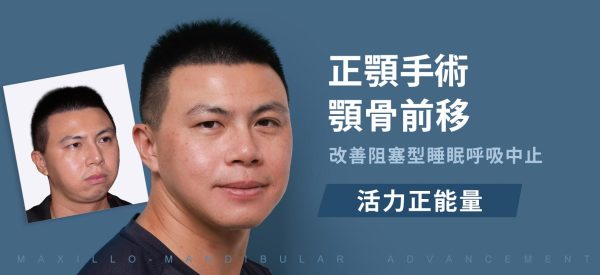
At Taipei Fenghua Clinic, we have accumulated extensive experience in orthognathic surgery, and every patient has achieved significant improvement after surgery.
The following are two successful cases that demonstrate the remarkable effectiveness of orthognathic surgery in improving sleep apnea and overall facial structure:
Case 1:

- The patient was a young male who had been suffering from sleep apnea for a long time and had very poor sleep quality.
- After a detailed evaluation, it was decided to undergo orthognathic surgery to adjust the position of the upper and lower jaws.
- After the surgery, the patient's airway width was significantly improved, and the occlusion and facial contours were also improved, which greatly improved the quality of sleep and life.AHI (Apnea-Hypopnea Index)From 55.8 to 3.9.
- The patient said that he had tried various non-surgical treatments before the operation but none of them could completely solve the problem. Orthognathic surgery brought him a new life experience.
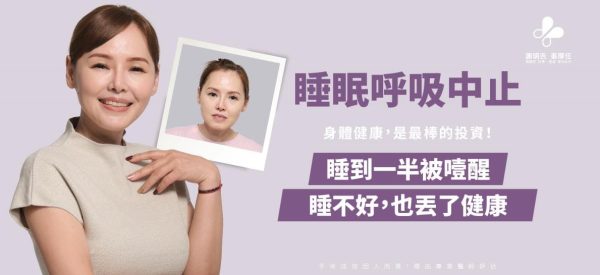
Case 2:
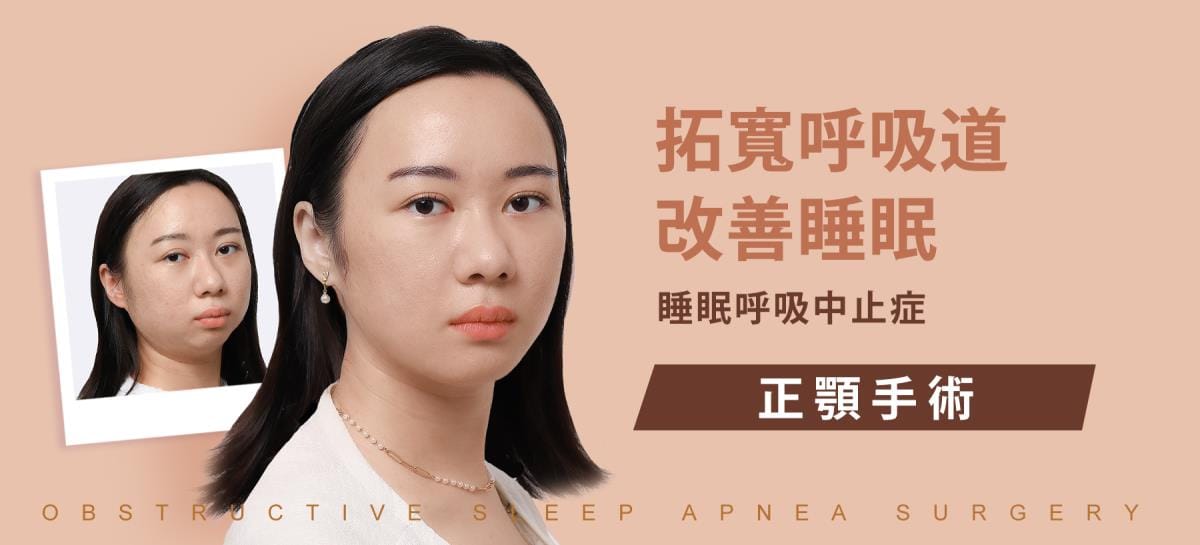
- The patient was a woman who, in addition to sleep apnea, also had malocclusion and other problems. On the advice of the professional team at Feng Hua United Clinic, she underwent orthognathic surgery to comprehensively adjust her craniofacial structure.
- After the surgery, the patient not only experienced improved breathing, but also a more symmetrical appearance and bite, resulting in a significant boost in self-confidence.
- This case fully demonstrates the advantages of orthognathic surgery in improving both function and aesthetics, and was highly recognized by the patient.
If you are facing similar problems, please make an appointment immediatelyTaipei Fenghua Joint ClinicProfessional consultation, we will provide you with the most suitable treatment plan and detailed cost explanation.
Sleep apnea: Orthognathic surgery (MMA) Frequently Asked Questions
1. Why is orthognathic surgery (MMA) considered the "gold standard" for treating sleep apnea?
According to medical evidence,Orthognathic surgery (MMA) In the treatment of obstructive sleep apnea,Highest long-term success rate and stabilityThis is a structural treatment approach. Its success rate is approximately... 85% – 86%,average The AHI index fell by 75% – 80%Because it alters hard tissue (bone) rather than easily loosened soft tissue, it possesses...Extremely high long-term stability.
2. What is the physical principle behind MMA orthognathic surgery's improvement of breathing problems?
MMA primarily improves the respiratory tract through three physical principles:
- Expanding the respiratory tract in all directionsBy moving the upper and lower jaws forward as a whole, it drives...The muscles around the soft palate, base of the tongue, and hyoid boneSimultaneously moving forward, it expands the space of the nasopharynx, oropharynx, and hypopharynx.
- Increase tissue tension: Pull the skeletal framework outwards to increaseTension of the respiratory tract wallThis makes the respiratory tract less likely to collapse during inhalation.
- Structural displacement stabilityAfter the bone structure is altered, the healing structure becomes very stable.The recurrence rate is much lower than that of soft tissue surgery..
3. Why do patients who are already using positive pressure ventilation (CPAP) eventually choose orthognathic surgery?
Many patients ultimately choose surgery because...Free yourself from the constraints of machinesAlthough CPAP is effective, it is often accompanied by...Inconvenient to use, noise, and discomfort from the mask.And the potential skin problems that may result from long-term use. Orthognathic surgery can...Fundamentally adjust the craniofacial skeletal structureIt provides long-term, stable treatment results, freeing patients from relying on temporary non-invasive devices.
4. Besides improving breathing, what other advantages does orthognathic surgery offer?
Orthognathic surgery has multiple positive effects on both function and aesthetics:
- Enhance facial aesthetics: Can optimize simultaneouslyFacial asymmetry and appearance concernsFor example, to solve the problem of a receding chin (small chin).
- Improve oral function:optimizationOcclusal relationship and tooth arrangementThis, in turn, improves chewing function and self-confidence.
- Relieve related discomfortImproves the relative position of the jaws, effectively relieving symptoms caused by malocclusion.Jaw pain or neck discomfort.
- Improve quality of life:improveLanguage clarityThis makes daily eating and communication smoother.
5. Which patients are most suitable candidates for MMA orthognathic surgery?
According to the article's analysis, the following two types of patients are particularly suitable:
- Patients with poor CPAP toleranceFor those who cannot wear a respirator due to claustrophobia or allergies, MMA is a preventative measure.Stroke and heart diseaseLong-term protection measures.
- Severe skeletal dysplasiaIf the patient has obviousmandibular retrusionSoft tissue surgery has minimal effect; only MMA can effectively treat the underlying condition.