

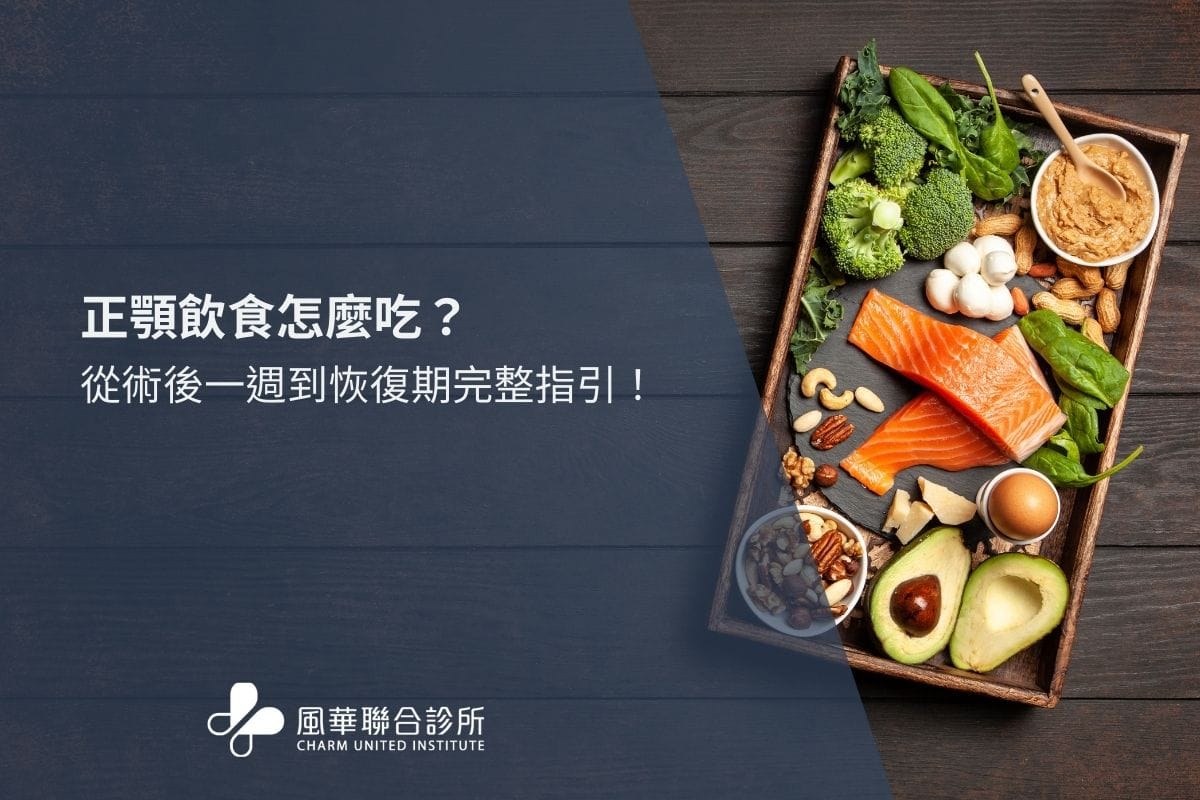
What should I eat after orthognathic surgery?
After orthognathic surgeryEating the right foods can not only help wounds heal and affect bone stabilityThis is also a key factor in the overall success of the treatment. The following is a brief description of what to eat after orthognathic surgery (…).This article provides complete dietary tips!!):
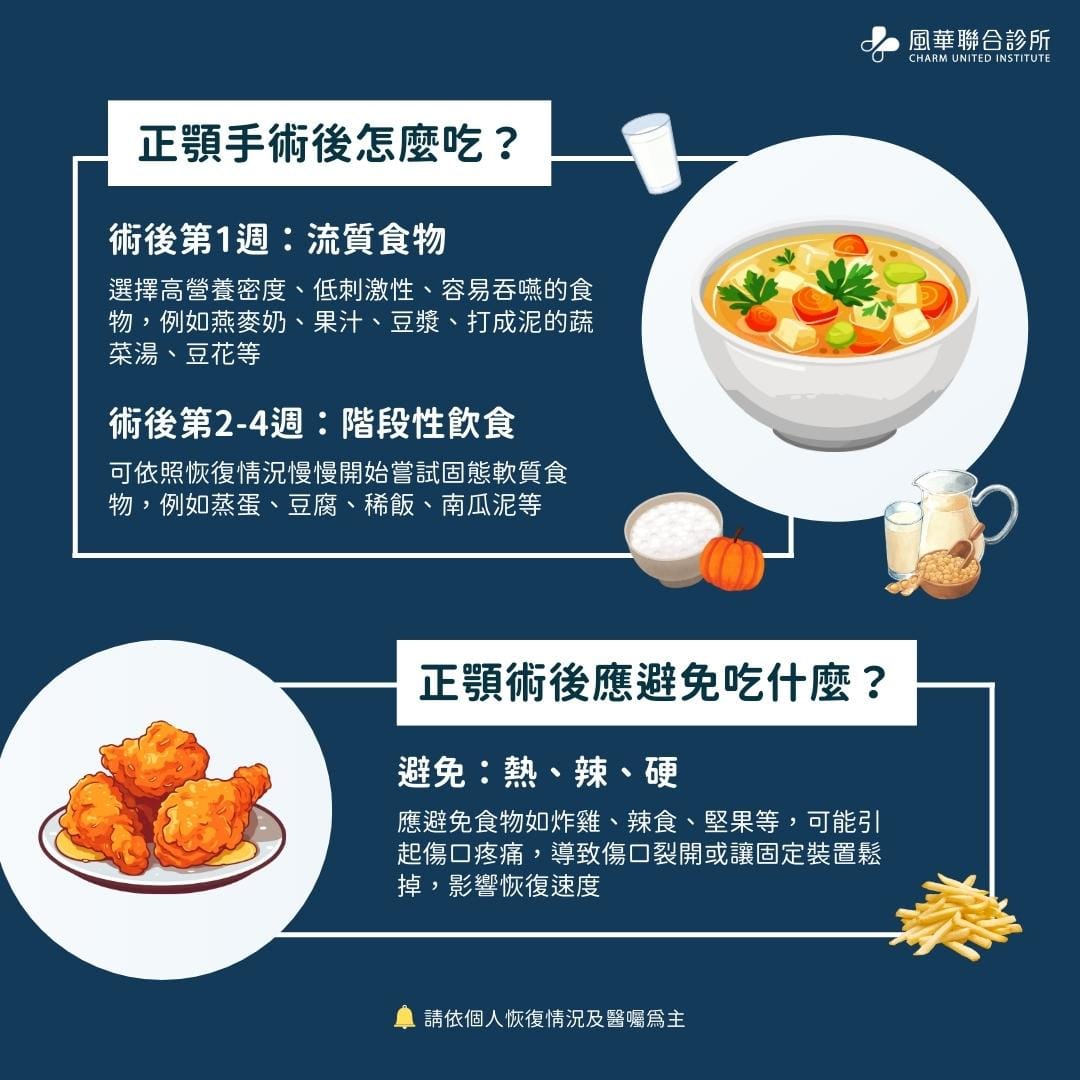
- Postoperative week 1-2: High nutritional density,Low irritation, easy to swallowfood
- Weeks 3-4 post-surgery: Adjustments will be made according to the recovery progress, and attempts will be made accordingly.solid softWaiting for food
- Foods to avoid: Hot, spicy, and hard foods!
Recommended clinic for sleep apnea in Taipei - Feng Hua United Clinic
This article will explain in detail how to adjust at each stage, starting from the first week after surgery to gradually resuming a normal diet, to help you safely and effectively get through the critical postoperative period.Whether you want to know "how to eat for orthognathic treatment" or "what to pay attention to during orthognathic recovery", we will give you complete guidance all at once!
What should you eat after orthognathic surgery? Nutritional guidelines for the first week after surgery
The first week after surgery isCritical recovery periodAt this time, there is still swelling and pain inside the mouth, and there may be sutures and fixation devices on the wound.Avoiding mouth opening and chewing is the first principle.
The focus of the diet is:
- High nutrient density:Can be supplemented moderatelyProtein and vitamins help wound repair
- Low irritation: Avoid spicy, sour, hot, overly salty, and seafood
- Easy to swallow: smooth taste, no need to chew
Liquid food is the first choice
It is recommended to choose thick but smooth liquid food, such as:
- Rice water, oat milk, residue-free soy milk, juice
- Potato soup, chicken bone broth
- Stewed and pureed vegetable soup (such as pumpkin puree)
- Smooth tofu pudding and grain-free pudding
What foods should be avoided?
- high temperature: Avoid irritation of wounds causing bleeding
- Hard or granular foods: May get stuck in the suture area inside the entrance
- Spicy, salty, acidic, and bubbly foods: May cause mucous membrane irritation or pain
- Seafood, Chinese medicine (blood-activating effect)
How to allocate intake time?
Loss of appetite or difficulty eating may occur after orthognathic surgery. It is recommended that:
- At least 6 to 8 times a day, with each meal limited to 200 to 300 ml
- Avoid eating too much at one time. Eat small meals frequently to avoid overeating that may affect breathing or wound pressure.
What to eat during the orthognathic recovery period? The method and timing of phased diet
Dietary adjustments needed after orthognathic surgeryThe procedure is carried out in stages according to the gradual recovery of wound healing, bone stability and chewing function..fromStarting from the second week after surgeryIf the doctor assesses that the wound is stable and the swelling has subsided, then it is possible to begin trying to open the wound from the wound opening.Transition from liquid food to solid soft food.
Weeks 2-4: Gradually transition from liquids to solid soft foods
- Recommended food types: steamed egg, tofu, porridge, pumpkin puree, etc.
- Cooking method:Stewing, steaming, and using a blender to crush and filterTo appropriate softness
- How to eat: Use a small spoon to easily put it into your mouth
- Note: There should be no bones, hard lumps or fibers in the food to avoid pulling the wound
When chewing ability returns (depending on individual recovery and doctor's advice)
The speed of bone healing for each patient ismasticatory musclesReactions vary, here are some:Common recovery timelines:
| Postoperative time | Recommended diet | Special considerations |
| Week 1 | Completely pure liquid | Do not use a straw and avoid opening your mouth |
| Weeks 2-4 | Solid soft food can be chewed lightly | Make sure the food is easy to chew and not too hot |
| More than 4 weeks | Gradually resume normal diet | The doctor must confirm the wound and bone integration recovery status |
Common Drinking Myths During Recovery
- Eat whatever you want if the wound doesn't hurtThe bones are not fully grown yet, and chewing hard foods too early will increase the pressure on the bone joints.
- Eat hard, fried foodsA single bite of fried chicken could loosen a fastener or reopen a wound.
- Eating too much soft food for a long timeIt can cause the chewing muscles to degenerate, which in turn affects the recovery process and makes the recovery slower.
Adjusting oral exercises to match eating habits
When the chewing ability gradually recovers, it is recommended to return to the doctor for evaluation.Progressive oral motor training,like:
- Mouth opening exercises (to avoid difficulty opening your mouth)
- Cheek muscle stretching (restore elasticity of facial muscles)
- Bilateral chewing exercises (to prevent unilateral chewing)
Dietary management at this stage is not only to supplement calories, but also to helpRestore normal chewing pattern and muscle functionimportant period.
What to do if you don't get enough nutrition? Recommended supplements and alternatives after surgery
After orthognathic surgery, many people will encounter a common problem:
Swelling, pain, difficulty opening the mouth, and a loss of taste lead to a sharp drop in appetite.If the nutritional supplement is insufficient at this stage, it may delay wound healing and even cause physical strength and immunity to decline.Choosing appropriate postoperative supplements and adjusting cooking methodsIt becomes the key to maintaining nutrition.
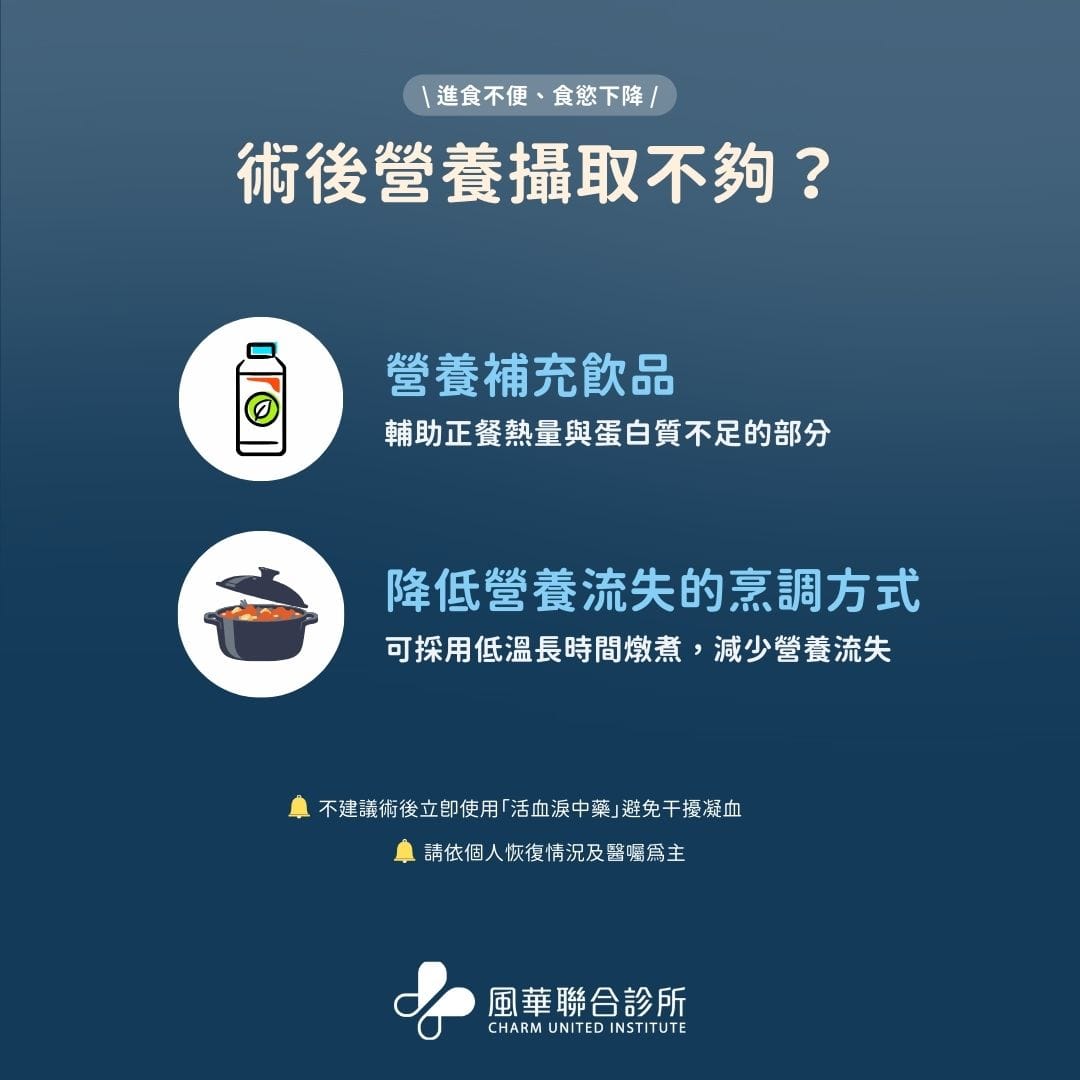
Nutritional supplement drinks
Consider the following alternatives:
- Medical nutritional supplement drinks(Such as: Ansul, Double Speed, etc.)
- Liquid soup powder drink preparation(Use with electrolyte powder to supplement minerals)
It is recommended to supplement at least daily for the first 2 weeks after surgery1~2 bottles of nutritional supplements, to supplement the insufficient calories and protein in the main meal.
Cooking methods that reduce nutrient loss
Many natural ingredients are rich in nutrients, but if they are not cooked or handled properly, they will lose their valuable ingredients. The following methods are recommended after surgery:
- Long-term stewing at low temperature: Such as chicken soup, bone soup, vegetable soup, avoid high temperature stir-fry
- Crush or filter: Process the ingredients through a juicer to filter out crude fiber and make it easier to swallow
- Refrigerate/freeze meals for later use: Prepare multiple servings at one time to reduce the stress of frequent cooking after surgery.
Recommendations for protein and vitamin supplementation
Protein and vitamin C,zincTrace elements such as iron contribute to tissue repair and anti-inflammation. The recommended intake methods are as follows:
- Protein: egg pudding, soy milk, high-protein drinks
- Vitamin C: guava juice, kiwi juice
Fenghua Joint Clinic reminds you: Some patients may lose weight rapidly due to poor appetite, but at this time they need to pay more attention to nutritional supplements and should not only consume starch.
Is the advice of a Chinese medicine practitioner or nutritionist appropriate?
If your family members need to use Chinese medicine or purchase supplements, please be sure to pay attention to the following principles:
- It is not recommended to use blood-activating Chinese medicine in the early postoperative period(such as safflower, angelica, etc.) to avoid interfering with blood coagulation
- Those with weak stomach and chronic diseases should consultNutritionist customized adjustments
Fenghua Joint Clinic reminds you:Avoid following folk remedies to replenish your body after orthognathic surgery, you should follow the advice of doctors and nutritionists to avoid delaying recovery or causing postoperative side effects.
What else should I pay attention to besides diet after surgery? Cooperating with care will give you peace of mind.
Orthognathic surgery is a treatment that requires patience and time to recover.In addition to dietary management, other postoperative care details are also crucial to efficacy and safetyEspecially during the recovery period, oral hygiene, follow-up visits, and the stability of diet are all key factors affecting the final correction results.
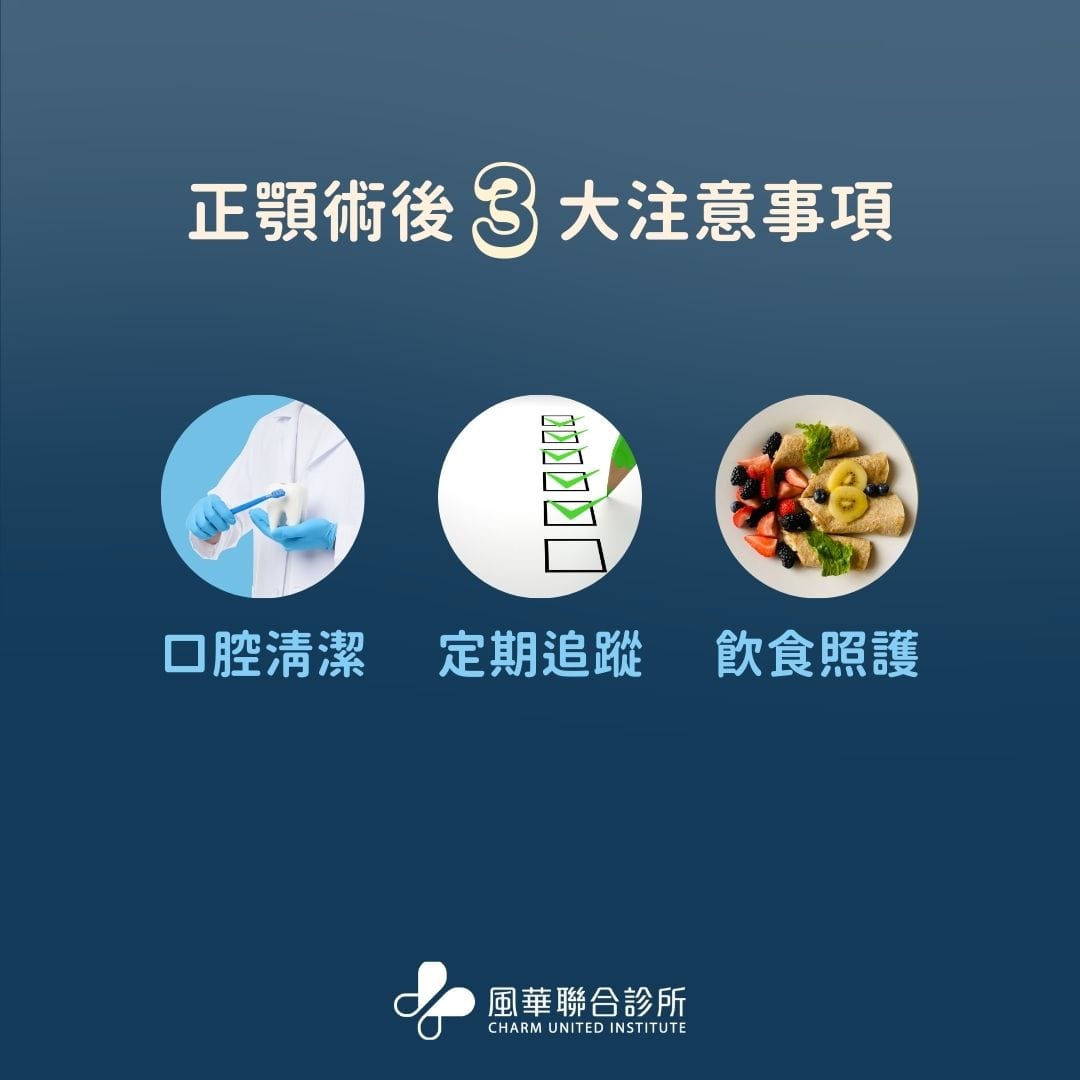
Keep your mouth clean to avoid infection
After surgery, the mouth is covered with sutures, swelling, and fixtures. If not properly cleaned, it is very easy to cause wound infection or odor. The recommended cleaning methods are as follows:
- Use alcohol-free cleaning for seven days after surgeryGentle mouthwash, avoid spitting vigorously
- Avoid straws and sucking, to avoid wound dehiscence or bleeding
Regular follow-up and dietary adjustment after surgery
- One week, two weeks, one month after surgeryThis is the time for a routine follow-up visit. The doctor will check the wound healing and bone integration.
- According to each tracking result,Gradually relax dietary restrictions
Dietary care is half the success of orthognathic surgery
Every bite of food after orthognathic surgery is not just about calories and nutrition, but also representsSupport and respect for self-healing. Don't let the wrong diet slow down your recovery. Follow professional guidance, from drinking well, eating right, to chewing steadily. Take every step firmly and steadily, and rebuild your smile and health together.
Common Dietary FAQs After Orthognathic Surgery
Q: How long after orthognathic surgery can I start eating?
In most cases, patients can begin a small amount of liquid diet after orthognathic surgery while they are awake and without nausea or vomiting.This is usually on the day of surgery or the following day. The actual timing of meals will still need to be determined by the doctor.Assessment of swelling degree and recovery status.
Q: After orthognathic surgery, can I only eat liquid food?
In the initial period after orthognathic surgery, a liquid or semi-liquid diet is recommended.The main purpose isAvoid chewing as it may affect bone fixation and wound stability.As recovery progresses, doctors will gradually reopen [the facilities].Soft dietInstead of only being able to eat liquids for a long time.
Q: What is the most important principle of diet after orthognathic surgery?
Dietary recommendations after orthognathic surgery should include:High in protein, high in calories, easy to swallow and requires little chewingAs a principle, at the same timeAvoid foods that are too hard, too hot, or too spicy.This helps reduce discomfort and promotes wound healing.
Q: How should I supplement my nutrition after orthognathic surgery to avoid rapid weight loss?
Recommended throughHigh nutrient density liquid or semi-liquid foodsReplenish calories through nutritional formula drinks, thick soups, or blended natural ingredients, and adopt...Small, frequent mealsIt helps maintain physical strength and support postoperative recovery.
Q: How long after orthognathic surgery can I resume a normal diet?
Most patients need several weeks to several months after surgery.,treatAfter the bones are stable and confirmed safe by a doctorOnly then can a normal diet be gradually resumed. The actual time will depend on...The extent of surgery and individual healing speedHowever, they are different.