


Do you often find yourself tossed and turned by the snoring of your partner? Or perhaps you've been reminded of your loud snoring, but always attributed it to being "too tired" or just "habit"?
In fact,Snoring loudlyIt is not just a sleep problem, it may be a warning signal from the body, especially related to "sleep apnea"There is a close connection."
Ignoring snoring will not only affect the quality of sleep, but may also lead to serious consequences such as high blood pressure, heart disease, and stroke.
This article will give you a comprehensive understanding of the causes, risks, examination methods and treatment options of snoring, helping you make the right health decisions and protect yourself and your family's peace of mind at night.
Snoring loudly while sleeping? Don't say "I'm just tired" anymore, it could be your body's distress signal.
When we talk about "snoring loudly while sleeping", many people will first think of fatigue or stress, but in fact this may beThe body's warning signs of sleep disturbances.
Snoring loudly does not mean that you sleep well, but ratherAirway obstructionIf ignored for a long time, it will cause potential threats to health.
How does snoring occur?
The snoring sound is due toPartial airway obstructionThis is caused by the vibration of loose soft tissues when air circulates.
Common obstruction sites include the root of the tongue, suspensory septum, soft palate, etc. When these tissues relax too much during sleep, air flow will be disturbed, causing vibration sounds.
What is sleep apnea?
Sleep apnea is aSleep disorders, which refers to recurring symptoms during sleepapnea(more than 10 seconds each time) orshallow breathing, which may cause a drop in blood oxygen concentration and interrupted sleep.
These interruptions may occur dozens to hundreds of times, leading to sleep fragmentation and nocturnal hypoxia, further causing daytime sleepiness and inattention. In the long run, they may increase the risk of hypertension, cardiovascular disease, stroke, diabetes, and even sudden death.
Why is snoring loud?High-risk warning?
The louder the snoring, the higher the resistance in the upper airway. When the airway narrows and air flow is obstructed, the body must inhale harder, increasing the pressure (negative pressure) in the chest cavity. This negative pressure, in turn, makes the airway more prone to collapse, causing respiratory arrest or shallow breathing, creating a vicious cycle.
Not everyone who snores is healthy.
Although snoring is common, it is not normal.If young people or thin people also have severe snoring, they should pay special attention to whether it is caused by congenital jaw development problems or airway narrowing. These structural problems are often easily overlooked.
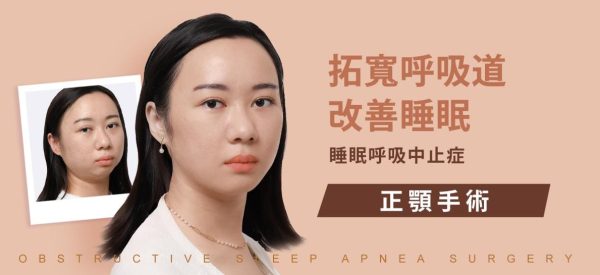
Case Study: Sleep Apnea: Snoring That Forced Me to Sleep in a Separate Room from My Girlfriend
Is all snoring a cause for concern? Self-examination and family observation are crucial.
Not all snoring is pathological, butWhen snoring is accompanied by certain characteristics, it is necessary toIncrease vigilanceThrough daily observation and simple assessment, it is possible to preliminarily determine whether sleep apnea may be involved. Early intervention can avoid long-term health risks.
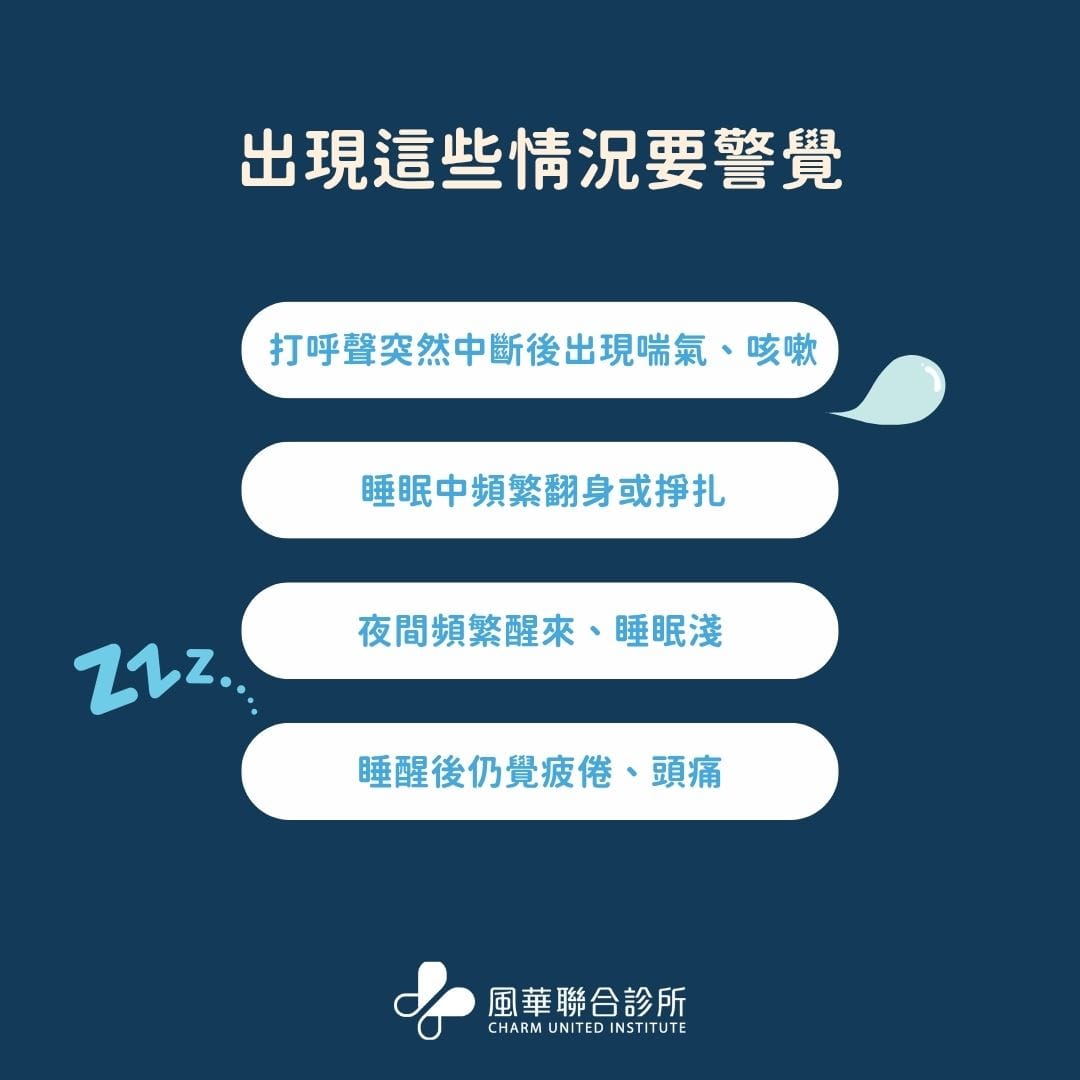
Be alert when these situations occur
- Gasping and coughing after a sudden cessation of snoring
- Frequent tossing and turning or struggling while sleeping
- Frequent waking up during the night and light sleep
- Still feeling tired or having a headache after waking up
The person next to you is the key witness
Most snoring patients are not aware of it themselves, but their partners or family members are the first to notice the abnormality.
Observation of the other person can help doctors make further diagnoses and determine whether further examinations are necessary.
Snoring + daytime sleepiness = high risk
If you snore,Continued daytime sleepiness, lack of energy, and mood swings, it is very likely that you have sleep apnea. This group of people is at high risk and it is recommended that you arrange for a professional evaluation as soon as possible.
"Loud snoring" is sleep apnea. What should you do?
If you suspect you have a sleep disorder, you should undergo a step-by-step assessment and diagnosis. From self-assessment questionnaires to sleep tests, each step is important and necessary.
Step 1: Sleep Questionnaire or Risk Self-Assessment
ThroughESS Sleepiness Scale, you can get a preliminary understanding of your own risk level, including snoring, neck circumference, age, gender, blood pressure and other indicators.
Step 2: How to do a sleep check?
There are several common sleep tests in clinical practicePhysiological monitoring (PSG)andSimple home checkupDuring the examination, data such as brain waves, eye movements, breathing patterns, blood oxygen levels, and muscle tension will be recorded.
What indicators will the doctor look at?
- AHI (Sleep Apnea Index): The number of occurrences per hour determines the severity
- Minimum blood oxygen saturation: The lower the risk, the higher the risk
- Sleep fragmentation: the key to affecting sleep recovery quality
Seek professional diagnosis and treatment advice and tailor improvement plans
Taipei Fenghua Joint ClinicCombining otolaryngology andOrthognathic Surgery TeamWe can tailor treatment plans for different causes and provide personalized treatment recommendations ranging from sleep examinations to orthognathic surgery to help patients return to quality sleep and a healthy life.
Snoring is no small matter! You must know the risks of sleep apnea.
If snoring is not properly addressed, it may lead to a series of physical and mental health problems.
These hazards often accumulate unknowingly and even pose a threat to life.
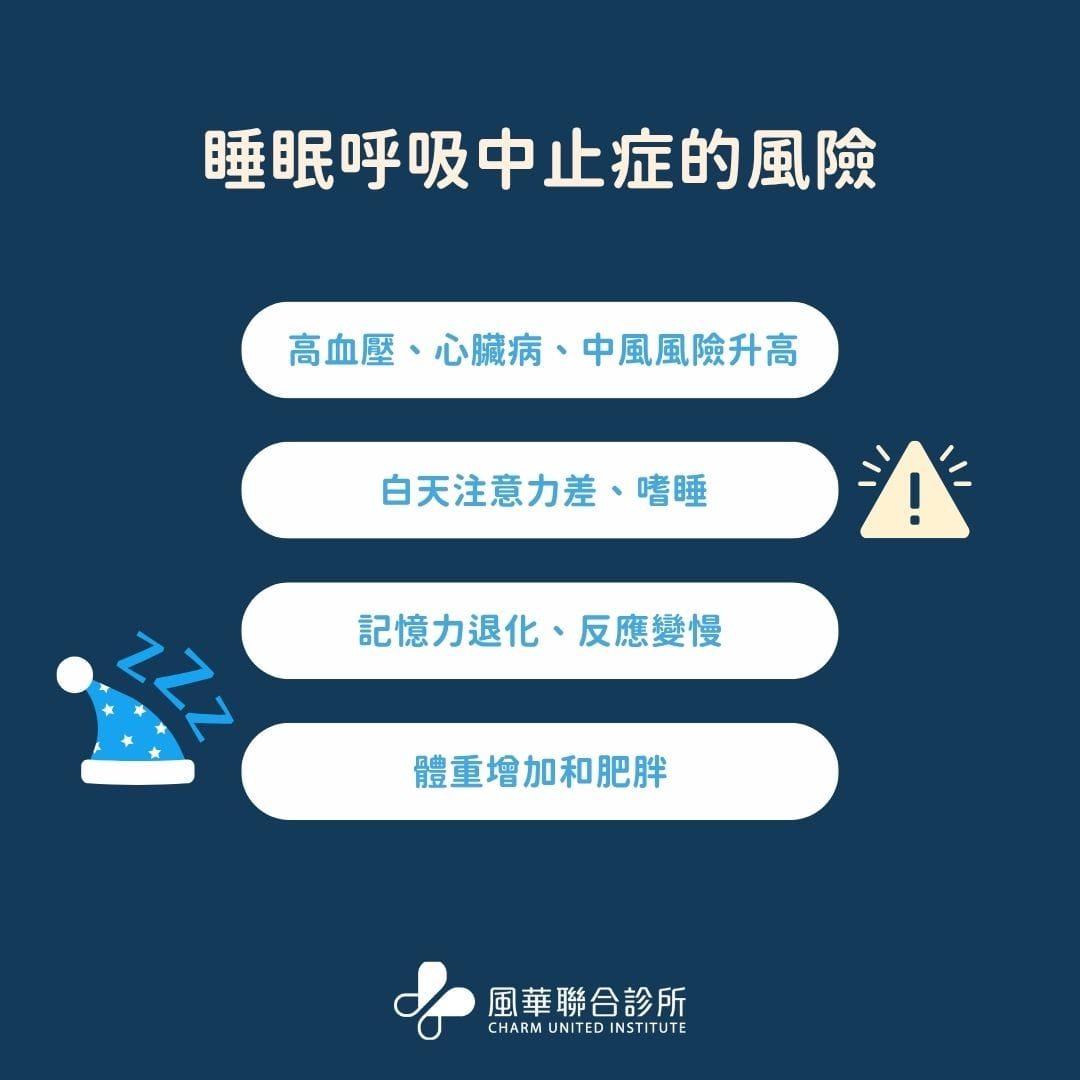
Increased risk of high blood pressure, heart disease, and stroke
Long-term nocturnal hypoxia can stimulate sympathetic nerve activity, worsen hypertension, and increase the risk of arrhythmia, arteriosclerosis, and stroke.
Poor concentration and sleepiness during the day
Fragmented sleep quality can interfere with the brain's emotional regulation, leading todaytime sleepiness, slow reaction time, and even increase the risk of traffic accidents.
Memory loss and slowed reaction time
Lack of oxygen and discontinuous sleep can interfere with the brain's waste removal and memory integration mechanisms, resulting in a decline in memory and cognitive function.
weight gain and obesity
Lack of sleep affects metabolism and appetite control, leading to weight gain.
Can loud snoring be improved? A comprehensive analysis of treatments from non-surgical to orthognathic treatments
There are many ways to improve snoring, from conservative treatment to surgical treatment, and the most appropriate method should be selected based on the individual cause.
Only by choosing the right treatment and medical team can you fundamentally solve your problems.
CPAP continuous positive airway pressure
It is currently the gold standard for treating moderate to severe sleep apnea.Continuous positive airway pressure to keep the upper airway open, reducing the frequency of respiratory arrest.
Structural problems may require surgical treatment
If snoring originates fromDeviated nasal septum,tonsil hypertrophy,Chin retrusionStructural problems such as the esophagus and the diaphragm can be corrected surgically to improve the breathing passage.
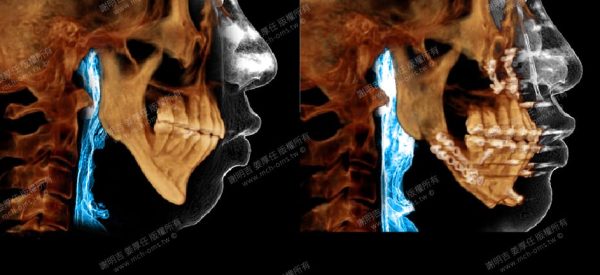
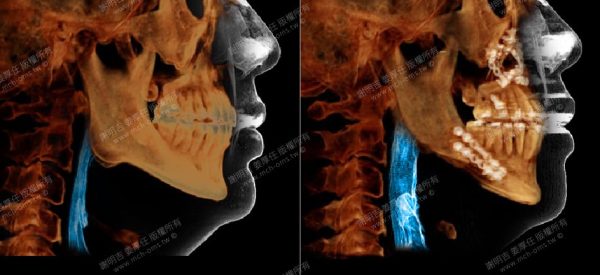
How Orthognathic Surgery Helps Snorers
For patients with airway constriction caused by receding jaws, orthognathic surgery can effectively move the upper and lower jaws forward, significantly widening the airway. This is one of the most fundamental ways to improve snoring and treat sleep apnea. Fenghua United Clinic's experienced orthognathic team provides professional assessment and comprehensive care.
If you have the problem of "snoring loudly while sleeping and accompanied by sleep apnea", please make an appointment in TaipeiFenghua United ClinicAt our specialist clinic, let our professional team help you regain a good night's sleep every night.
Further reading: