

Sleep apnea is a disorder in which breathing stops repeatedly during sleep. It can affect adults, children and the elderly. According to statistics, approximately 1 in 101 TP3T+ adults in the world suffer from this disease, and most of them are undiagnosed.
Untreated sleep apnea not only affects sleep quality, but may also lead to serious health problems such as high blood pressure, cardiovascular disease, diabetes and mood disorders. This article will delve into treatment methods for different age groups to help readers have a more comprehensive understanding of how to deal with this disease and find the most appropriate solution.
What is sleep apnea? Why is treatment needed?
Sleep apnea is a disorder characterized by repeated pauses in breathing during sleep. These pauses may last more than 10 seconds and even occur dozens of times per hour, seriously disrupting normal sleep cycles. The most common type is obstructive sleep apnea (OSA), which is caused by a blockage in the airway.
Common symptoms include:
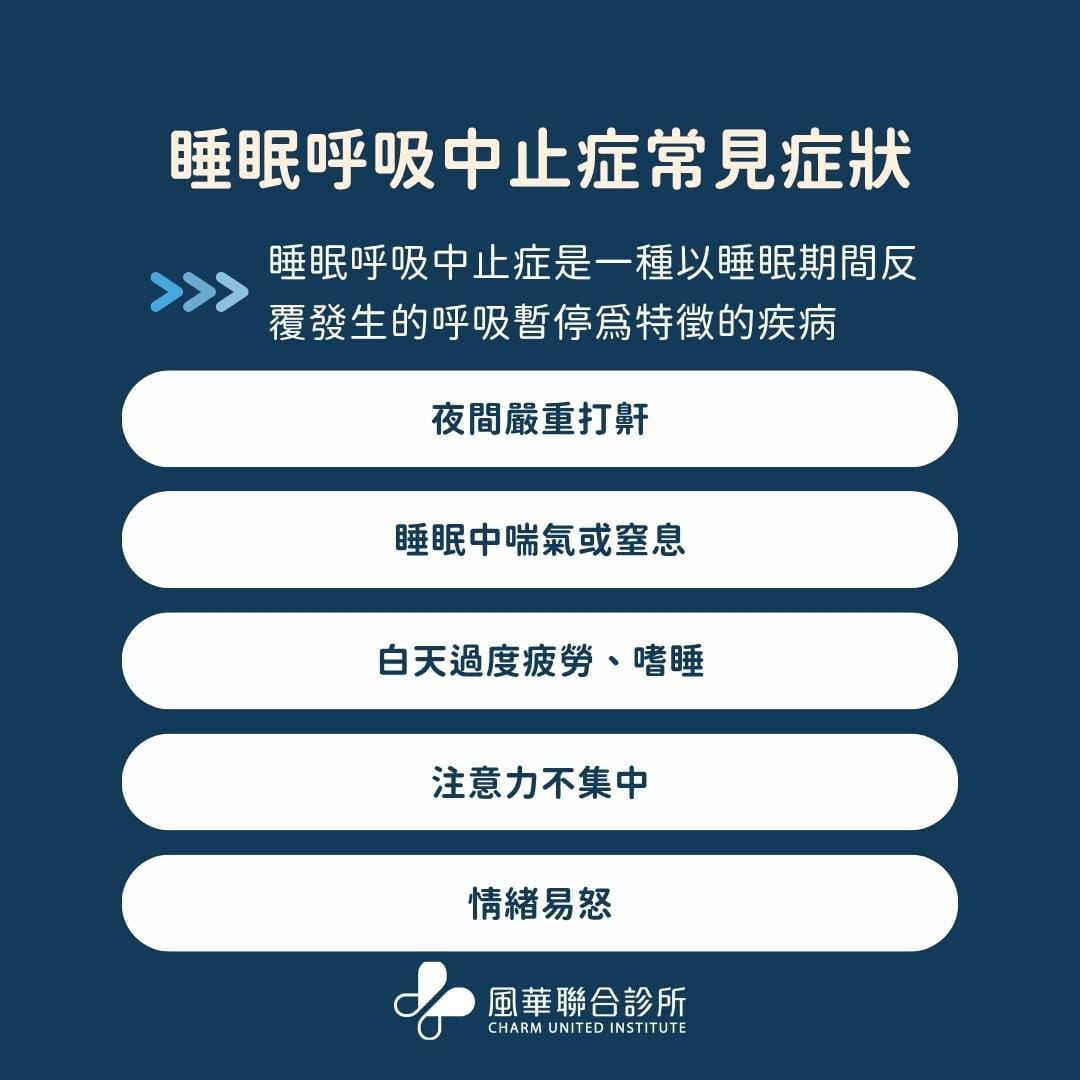
- Severe snoring at night
- Gasping or choking during sleep
- Excessive daytime tiredness and sleepiness
- lack of concentration
- Irritability
If not treated promptly, sleep apnea may lead to high blood pressure, heart disease, stroke, type 2 diabetes and traffic accidents.
Sleep apnea treatment in children
Children may also be affected by sleep apnea, especially between the ages of 5 and 10. Early treatment is crucial to a child's growth, learning and psychological development.
Common causes of sleep apnea in children
The most common cause in children is enlarged adenoids or tonsils, which block the airway. In addition, obesity, allergies and abnormal jaw development may also be potential factors. Common clinical symptoms include snoring, mouth breathing, night sweats, daytime hyperactivity or lack of concentration.
Treatment for sleep apnea in children
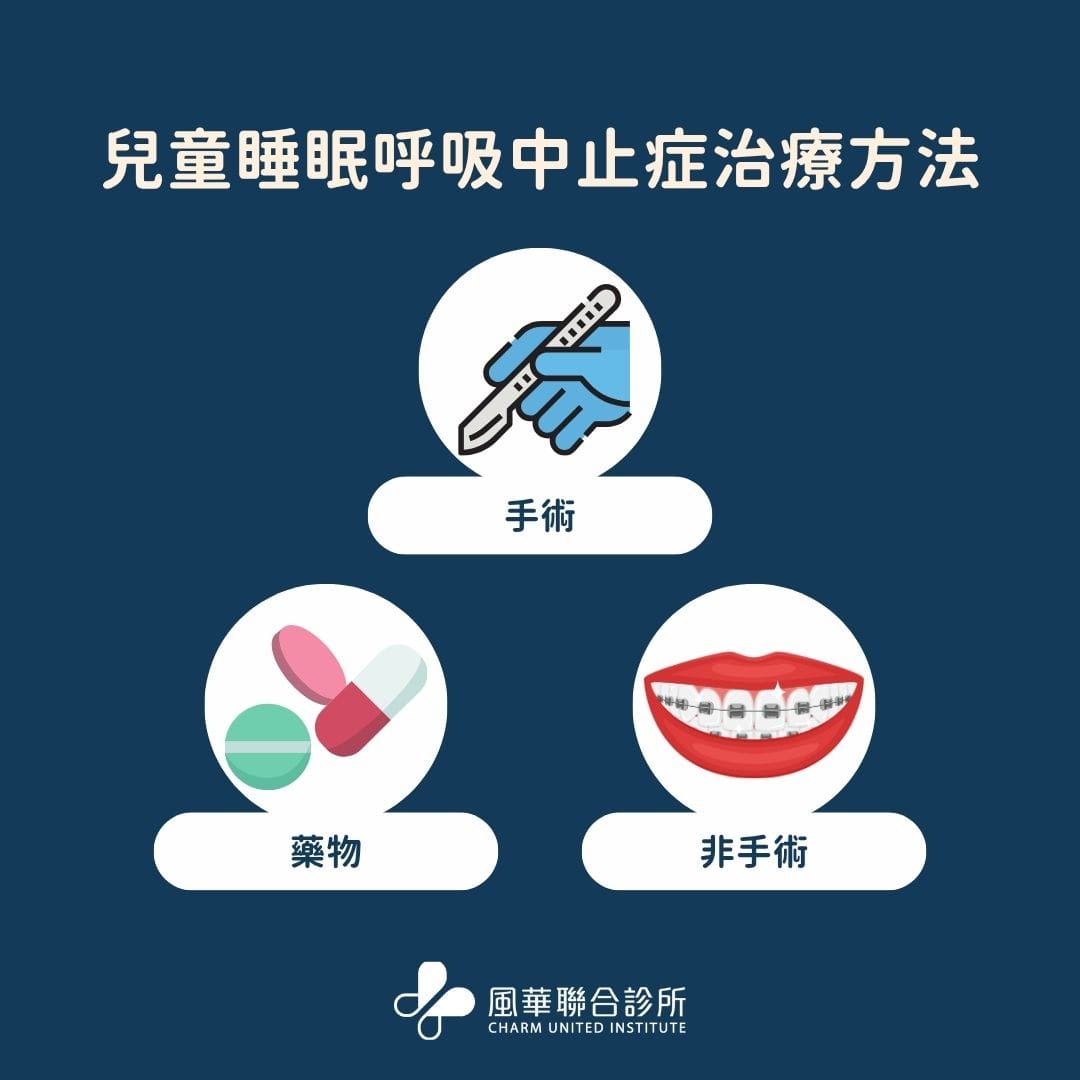
Depending on the cause, treatments include:
- Surgery: such as adenoidectomy or tonsillectomy, can effectively improve airway patency.
- Non-surgical treatments: Correction of jaw bone abnormalities, such as functional braces, braces, or myofunctional training.
- Medication: Antihistamines or steroid sprays are given for allergic rhinitis.
Case: A 7-year-old boy was admitted to hospital for severe snoring and learning delay. Examination revealed enlarged tonsils. After surgery, his sleep quality and learning performance were significantly improved.
Treatment of sleep apnea in youth and adults
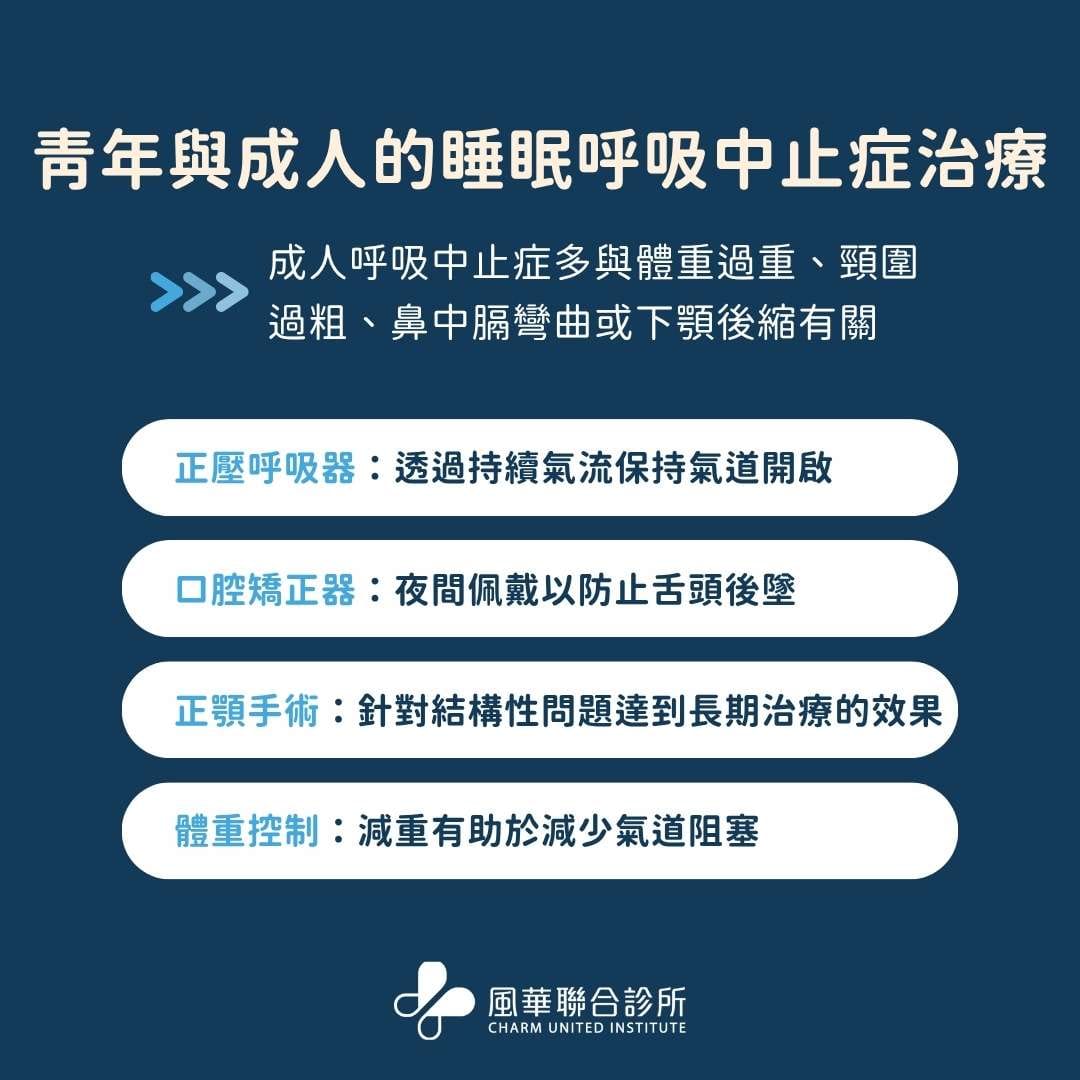
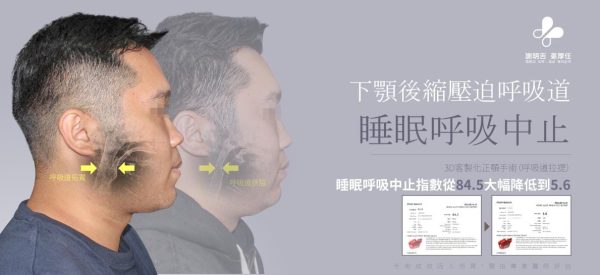
Sleep apnea in adults is often related to being overweight, having a thick neck, a deviated nasal septum, or a retracted mandible. Treatment for this group focuses on improving sleep quality and reducing long-term complications.
Treatment options include:
- Positive airway pressure (CPAP): This helps keep the airway open by providing a continuous flow of air.
- Oral braces: Suitable for moderate patients, worn at night to prevent the tongue from falling back.
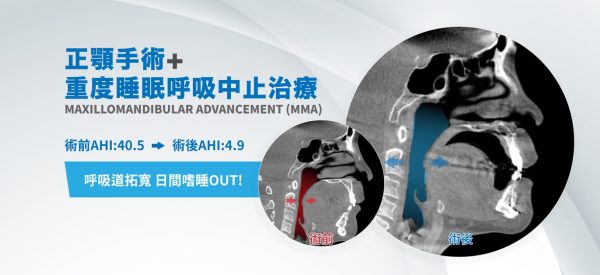
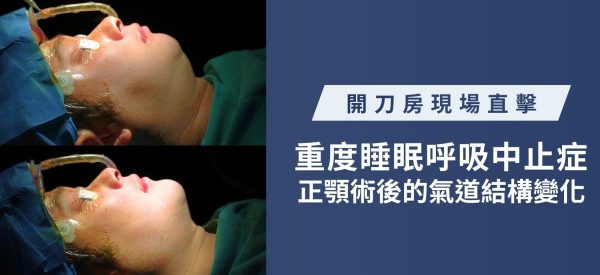
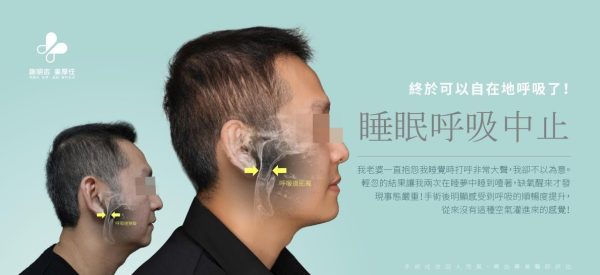
- Orthognathic surgery: Adjustments are made to structural problems to achieve long-term treatment results.
- Weight control: Losing weight can help reduce airway obstruction.
Comparison of advantages and disadvantages:
|
method |
advantage |
shortcoming |
|
CPAP |
Clear results |
High initial discomfort |
|
Oral braces |
Easy to carry |
Not as effective as CPAP |
|
Orthognathic surgery |
Effective cure |
Longer recovery period from surgery |
Treatment of sleep apnea in the elderly
The elderly often have multiple chronic diseases, and treatment requires special consideration of safety and comfort.
Common symptoms in elderly patients include frequent waking up at night, daytime drowsiness, irregular heartbeat, and memory loss. Loss of muscle tone with aging also increases the risk of airway collapse.
Recommended treatments include:
- Oral braces: suitable for those who are intolerant to CPAP and easy to wear.
- CPAP device: The pressure can be adjusted and the adaptation status must be tracked regularly.
- Drug assistance: Improve sleep quality, and should be used after evaluation by a physician.
Working with your doctor to develop a personalized treatment plan and returning for regular checkups are the keys to successful treatment.
What are the treatment options for sleep apnea?
Based on the conditions of each age group, treatment methods are divided into non-surgical and surgical types:
Non-surgical options:
- CPAP positive pressure breathing apparatus
- Dental braces
- Weight loss and diet control
- Quitting smoking and adjusting sleeping position (sleeping on the side)
Surgical options:
- Adenoidectomy/tonsillectomy (mostly in children)
- Nasal septum correction surgery
- Jaw or maxillary advancement surgery (orthognathic surgery)
Each method has its applicable subjects and risks, and needs to be customized after diagnosis by a professional physician.
How much does sleep apnea treatment cost?
The cost of treating sleep apnea varies depending on the treatment method, the doctor's skill level, and whether health insurance coverage is available.
Treatment methods can be divided into orthognathic surgery, oral braces, positive pressure ventilators, etc. Each method has different effects, applicable groups and required costs.
The doctor's skills must also be considered. A doctor with rich experience and cases means a higher success rate of the operation, and naturally the cost will be higher.
In some cases, the government also provides subsidies to specific people. You can consult the relevant government departments for this.
If you have been suffering from respiratory arrest for a long time and want to cure the problem through surgery, please consult Fenghua United Clinic. We will provide you with professional examinations and treatments!
Sleep Apnea Treatment FAQs
How long does it take for sleep apnea treatment to work?
The time it takes to take effect varies depending on the treatment method. CPAP users can feel an improvement in their daytime energy within a few days, but they have to endure the discomfort of wearing a ventilator every night; although orthognathic surgery requires at least 4-12 weeks of recovery, it has good long-term effects.
How do I find the sleep apnea treatment that’s right for me?
It is recommended to consult an otolaryngologist, sleep specialist or oral and maxillofacial surgeon and choose the most appropriate treatment after sleep testing. Each person's structure and symptoms are different, requiring individualized assessment and treatment.
Although sleep apnea is common, it cannot be ignored. Through correct diagnosis and treatment, sleep quality and healthier life can be greatly improved. Different age groups have their own treatment recommendations. The most important thing is to detect it early and work with a professional medical team to regain a good night's sleep every night.