



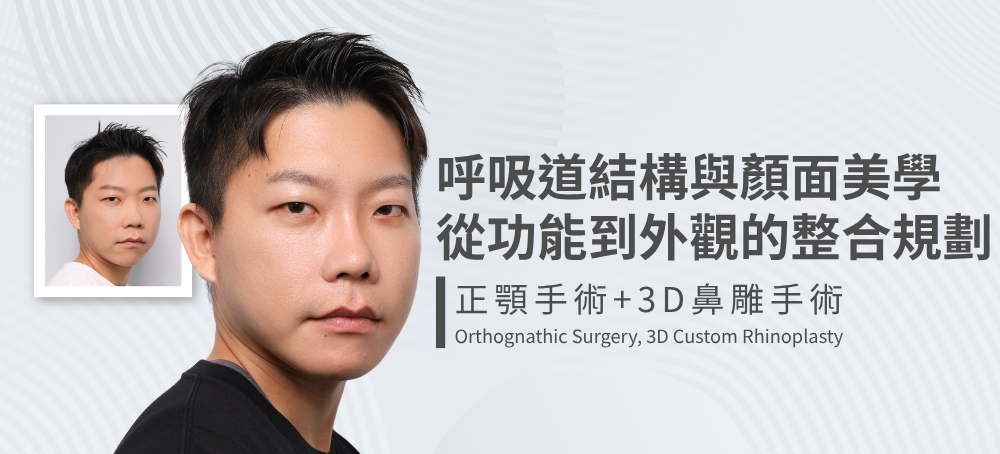
| Preoperative symptoms | surgical plan |
| Underdeveloped upper and lower jawbones, retracted position sleep apnea | 3D Customized Orthognathic Surgery (Counterclockwise Bilateral Palate Advancement) 3D rhinoplasty |
"Dr. Hsieh, I snore loudly every night, and I yawn constantly during the day no matter how many cups of coffee I drink; when I look in the mirror from the side, I always feel that my chin is completely sunken in, my neck and face are connected as one piece, and my nose seems short and flat..." Many people think that "snoring" and "not sleeping well" are just because they are too tired, but they don't know that the root of the problem may lie in the skeletal structure!
1. Why do I have difficulty breathing and no chin?
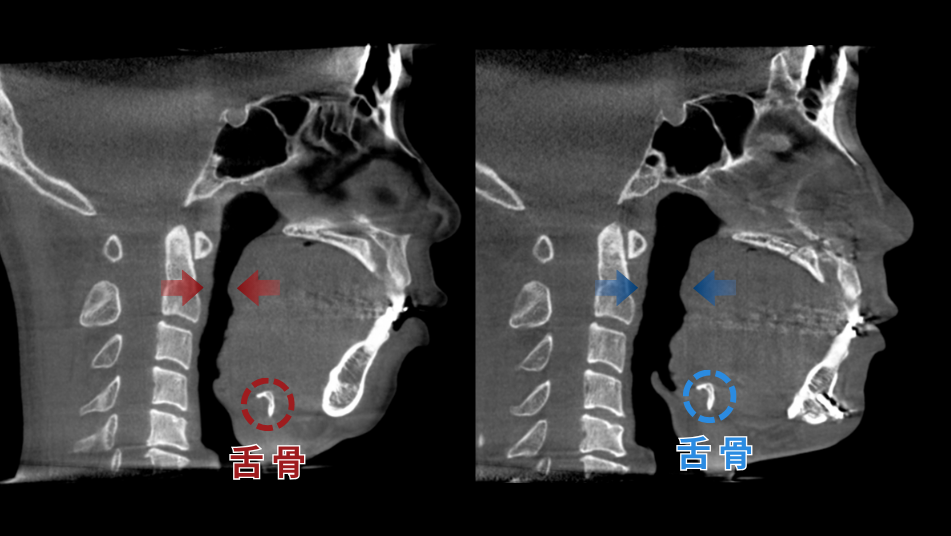
When our upper and lower jawbones are underdeveloped and positioned backward, the soft tissues of the tongue and throat are pushed backward, squeezing the entire airway (breathing passage) flat like a straw! This can not only trigger "sleep apnea (OSA)" during sleep, leading to long-term chronic hypoxia in the brain, but also manifest in appearance as a receding chin, blurred neck lines, protruding mouth, and tired, dull eyes.
II. Dr. Xie's Interdisciplinary Integrated Solution
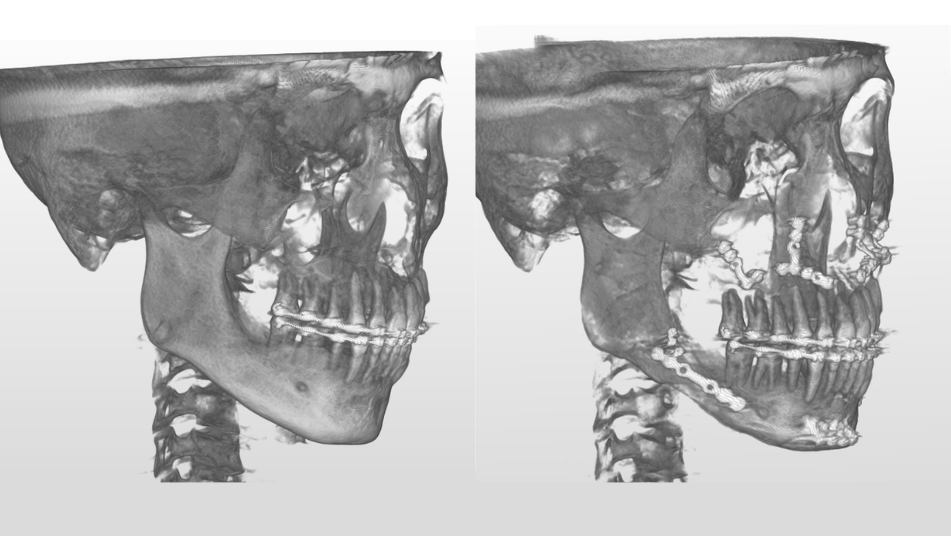
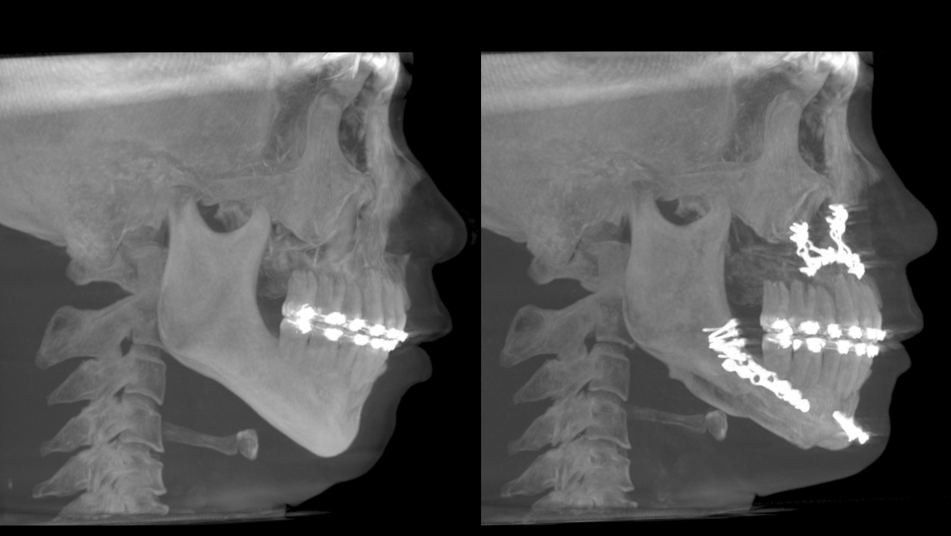
Airway reconstruction combined with structural aesthetic sculpting: A 3D computed tomography (CT) scan confirmed that the patient's narrowed airway was caused by skeletal structure, requiring a double jaw reduction (MMA) procedure combined with chin osteotomy and advancement to open the airway. However, Dr. Xie astutely observed a crucial detail during the preoperative assessment: the patient had a short nose, low nasal bridge, upturned nasal tip, and wide nasal wings. Simply performing orthognathic surgery to push the maxilla forward, while increasing airway space, could potentially make the nose appear even shorter, the nostrils more exposed, and the nasal wings wider!
To simultaneously safeguard both "health" and "appearance," Dr. Hsieh and the patient, after in-depth discussions, decided to perform "counterclockwise double jaw advancement + structural rhinoplasty" in the same surgery:
- Counterclockwise Bimaxillary Advancement (CCW-MMA) + Chin Advancement: Precisely advance and rotate the upper and lower jaws and chin to further expand the compressed throat airway!
- Customized autologous cartilage rhinoplasty:
- Nose bridge: Using custom-made implants, the originally flat and low nasal root is precisely raised.
- Nasal tip and columella: Using the autologous nasal septum and ear cartilage to establish a strong support, counteracting the tension of the orthognathic bone pushing forward, naturally lengthening the short nose downwards, and smoothing out the upturned nostrils.
- Outward-opening and narrowing of the nostrils: This procedure corrects the appearance of widened nostrils and reshapes a refined and sculpted mid-face contour.
III. Post-operative recovery record at 6 months: significant change in facial contour.
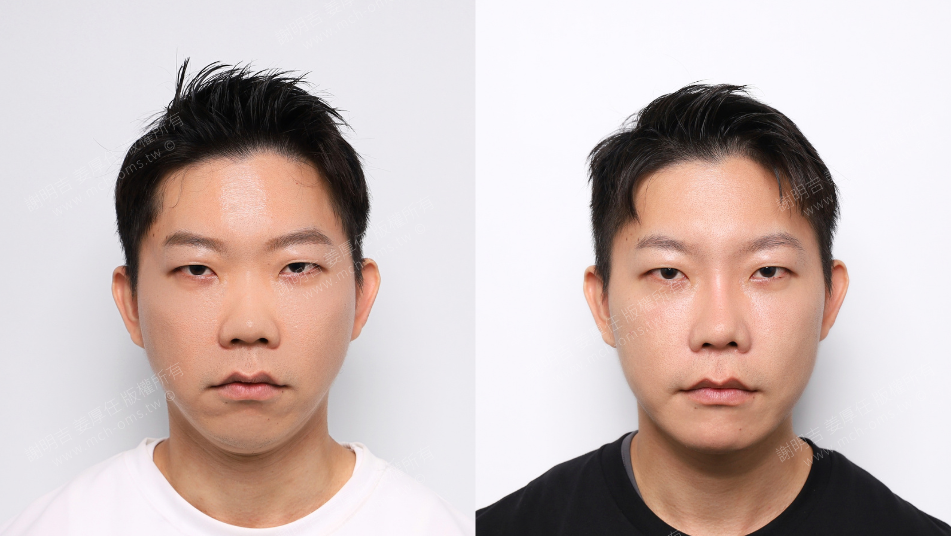
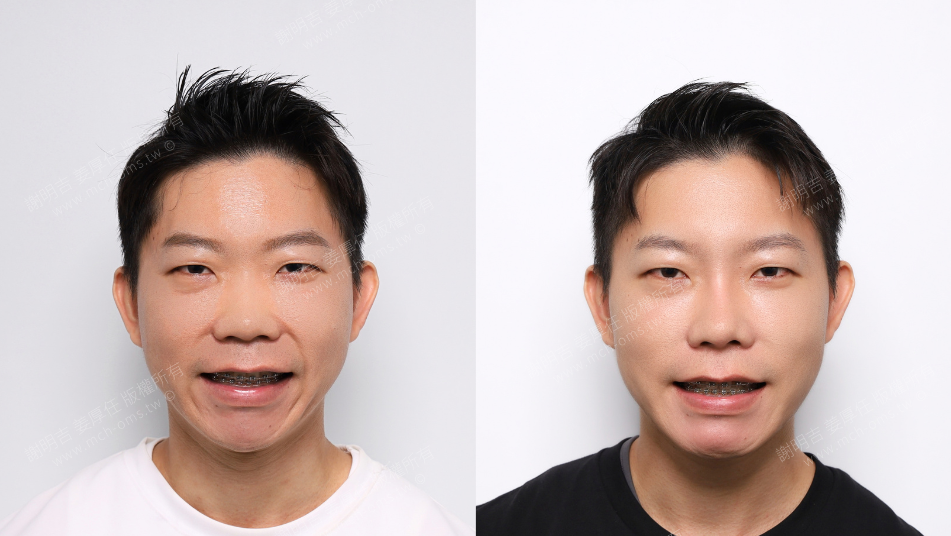
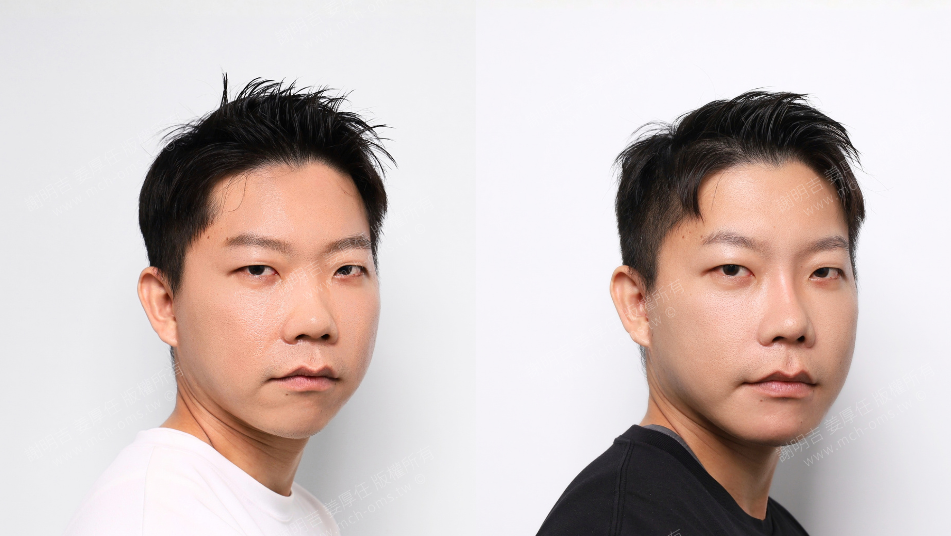
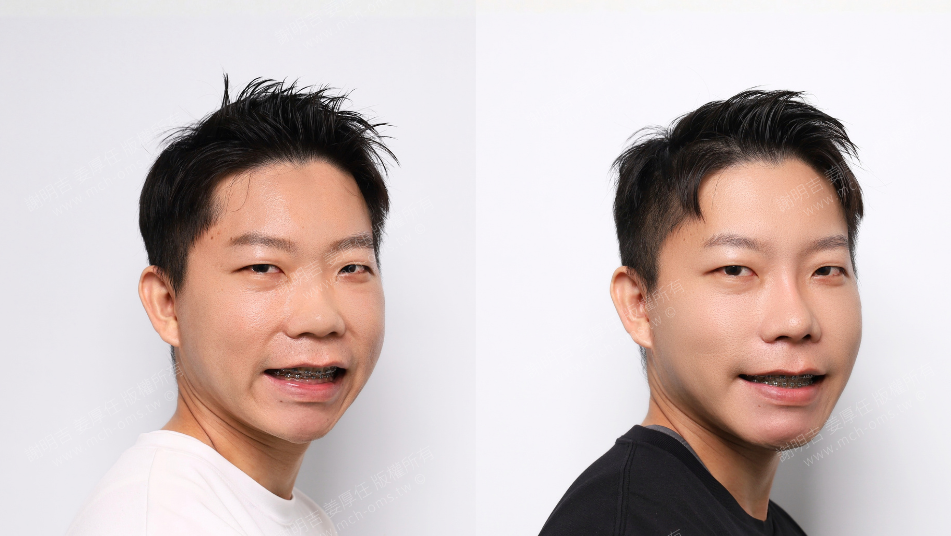
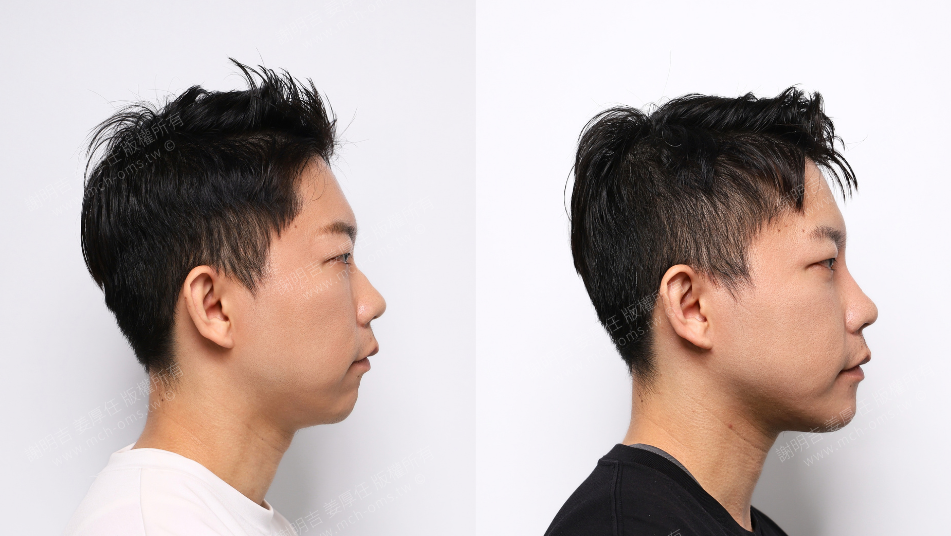
The dramatic change in facial contours is truly remarkable. Just look at the before-and-after photos and CT scans; the transformation is truly inspiring.
- Clear breathing and a refreshed look after a good night's sleep: A CT scan showed that the airway in the throat had transformed from a narrow slit into a wide passage, the hyoid bone naturally moved forward and upward, and the airway space had increased! The patient happily reported that the symptoms of sleep apnea had significantly improved, sleep quality had greatly improved, and the previously empty and tired eyes were now bright and alert!
- A sharp and firm jawline (reverse facelift effect): After the bones are repositioned forward, the loose chin and neck soft tissue are naturally tightened and flattened, improving double chin and clearly revealing a sharp and three-dimensional jawline! A significant upgrade in profile and mouth shape: The originally inward-receding jaw is pulled forward, resulting in a stable and harmonious bite, and the lips close naturally and relaxed, without any feeling of tightness or strain.
- A three-dimensional and refined nose shape with harmonious proportions: a short nose is successfully lengthened, the bridge of the nose is raised, and the nostrils are small, forming a harmonious "E-line" golden aesthetic curve in the profile with the forward-moved jaw.
Function and aesthetics are never mutually exclusive. A proper diagnosis of structural issues allows you to regain deep breathing and health, while also gaining more confidence and a more sculpted facial contour! Do you also suffer from snoring, daytime sleepiness, a receding chin, or a short nose? Welcome to schedule an appointment for a professional 3D computed tomography (CT) evaluation by Dr. Hsieh Ming-Chi's team!